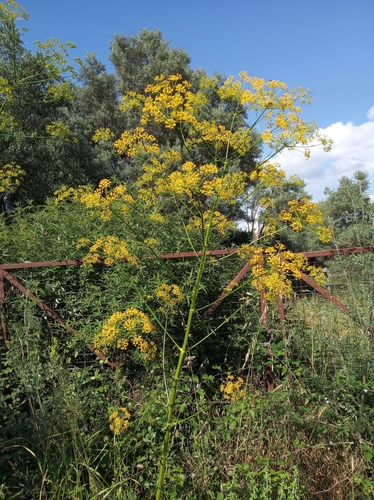
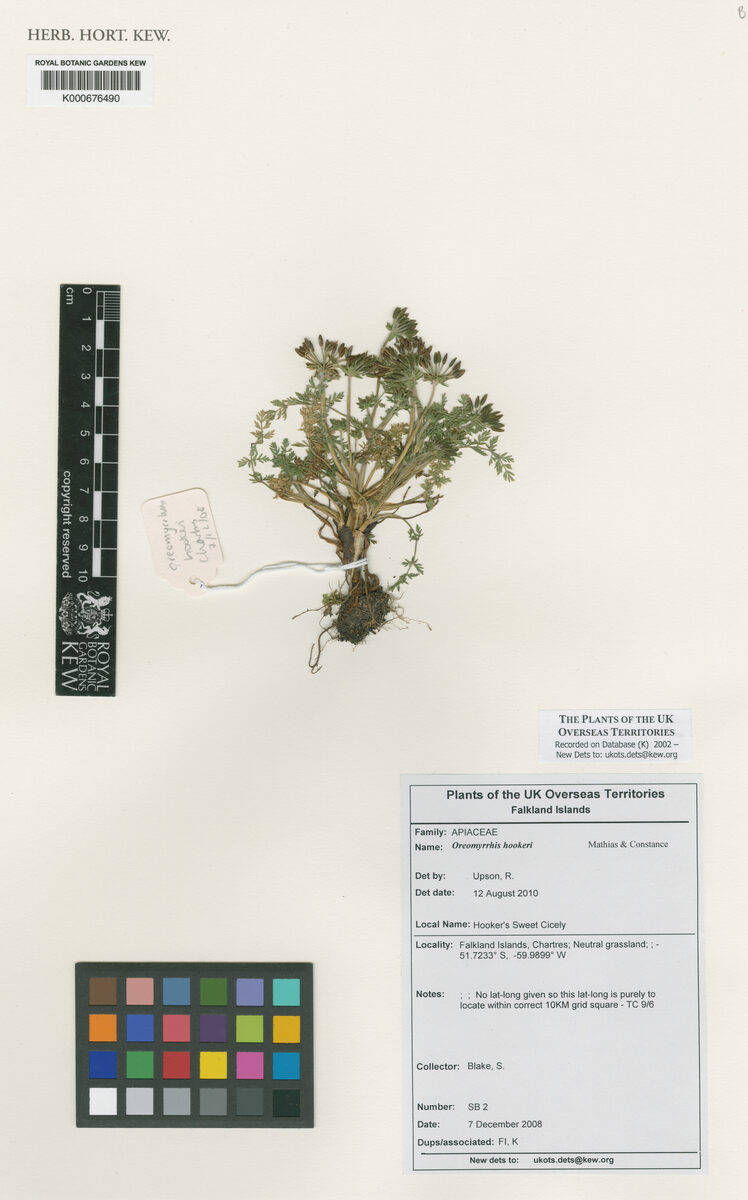
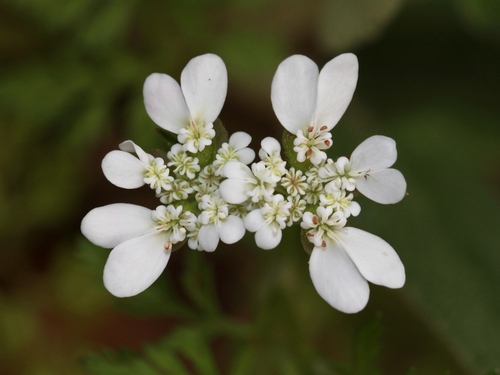
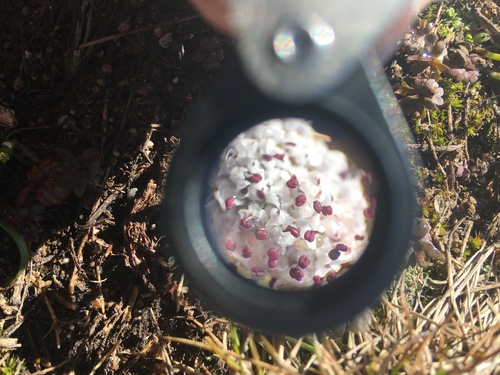
Aciphylla colensoi
Hook. f.
Wild Spaniard, Colenso's spaniard
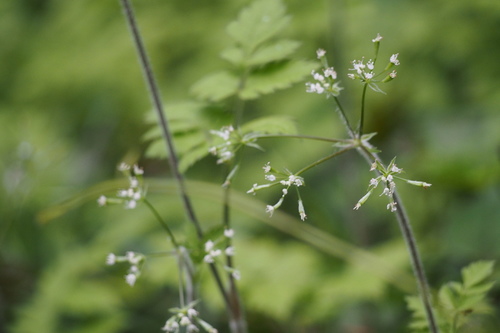
iNaturalist· cc-by
(c) Duncan Cunningham, some rights reserved (CC BY), uploaded by Duncan Cunningham
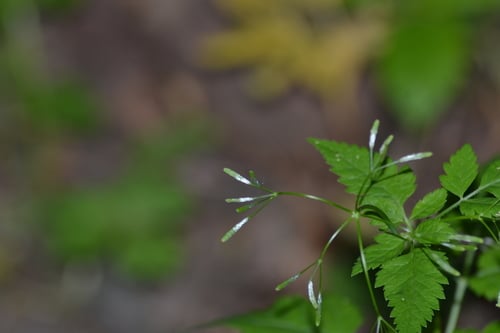
iNaturalist· cc-by-nc
(c) Alex Fergus, some rights reserved (CC BY-NC), uploaded by Alex Fergus
iNaturalist· cc-by-nc
(c) Alex Fergus, some rights reserved (CC BY-NC), uploaded by Alex Fergus
Summary
Source: WikipediaAciphylla colensoi is a species of Aciphylla, commonly known as giant speargrass, Spaniard, or by its Māori-language name taramea. Individual plants may be up to 90 cm (35 in) in diameter and up to 1 metre (39 in) high when in flower, and consist of sharp spines, all pointing out from the centre. The leaflets are thick, and have rough margins and red-orange midribs. Yellow flowers may also be present, located on long, narrow, and strong stems. A. colensoi is endemic and can be found in both main islands of New Zealand, typically in altitudes from 900 to 1,500 m (3,000 to 4,900 ft).
Description
A shrub or small tree. It grows 5 m tall. There are prickles along the stem. The leaves are twice divided and there are 8-18 pairs of pinnae. There are up to 50 pairs of pinnules on each pinnae. The flowers are yellow. They are in large clusters at the ends of branches. The pods are flattened.
Edible Uses
The root is edible when cooked and has an aromatic flavour. The plant also yields a resin that can be used as a chewing gum. Young shoots are also edible, though no further preparation details are available.
Traditional Uses
The root is cooked and eaten. It yields a gum used as a chewing gum.
This uses section is brief — help expand it
Medicinal Uses
None known.
Distribution
It grows naturally in New Zealand in mountain and sub-alpine altitudes in North and South Islands between latitudes 38° and 43° 30' south. It prefers a well drained gritty soil. It does best where damp air is common. Once established they can stand temperatures down to -10°C. It suits hardiness zones 5-9.
Where It Grows
Australia, New Zealand*,
Cultivation
Requires a perfectly drained gritty soil in full sun. Prefers a climate with rather damp air. Plants are hardy to about -10°c and are succeeding outdoors in a mild garden in N. Ireland. Dioecious. Female plants sometimes have a few male flowers but usually male and female plants must be grown if seed is required.
Propagation
Seed is best sown in a greenhouse as soon as it is ripe. Stored seed should be sown under glass in late winter or early spring. Germination can be very slow. Once seedlings are large enough to handle, prick them out into individual pots and grow on in the greenhouse for at least their first winter, before planting out in late spring or early summer after the last expected frosts.
Other Uses
The plant produces a resin usable as a chewing gum.
Notes
There are about 40 Aciphylla species.
Also Known As
Speargrass, Taramea
References (4)
- Crowe, A., 1997, A Field Guide to the Native Edible Plants of New Zealand. Penguin. p 105
- Cundall, P., (ed.), 2004, Gardening Australia: flora: the gardener's bible. ABC Books. p 93
- Handb. N. Zeal. fl. 92. 1864
- Plants for a Future database, The Field, Penpol, Lostwithiel, Cornwall, PL22 0NG, UK. http://www.scs.leeds.ac.uk/pfaf/