Cardamine bulbosa
(Schreber ex Muhl.) Britton, Sterns and Poggenb.
Bittercress, Bulbous cress
iNaturalist· cc-by
(c) Michael J. Papay, some rights reserved (CC BY), uploaded by Michael J. Papay
iNaturalist· cc-by-nc
(c) Daniel Sembroski, some rights reserved (CC BY-NC), uploaded by Daniel Sembroski
iNaturalist· cc-by
(c) Michael J. Papay, some rights reserved (CC BY), uploaded by Michael J. Papay
Summary
Source: WikipediaCardamine bulbosa, commonly called bulbous bittercress or spring cress, is a perennial plant in the mustard family. It is native to a widespread area of eastern North America, in both Canada and the United States. Its natural habitat is moist soils of bottomland forests and swamps, often in calcareous areas. In late spring and early summer, white flowers are produced well above the foliage. Its leaves are edible, and have a peppery taste.
Description
A cabbage family herb. It has a knotty underground stem. The lower leaves are round. The leaves on the stem are sword shaped.
This description is brief — help expand it
Edible Uses
The leaves can be eaten raw and work well tossed into salads. The rootstock is grated and used as a hot, pungent condiment in the same way as horseradish.
Traditional Uses
The tender young leaves near the base can be used in salads. The rootstocks can be grated and vinegar added to make horseradish.
This uses section is brief — help expand it
Medicinal Uses
None known.
Distribution
It is a temperate plant. It grows near springs, low-lying woods and wet meadows. It grows in hardiness zones 4-8.
Where It Grows
North America, USA,
Propagation
Sow seed outdoors in a shady seedbed in April and plant out in autumn or spring. Division is best done in spring — large clumps can go directly into permanent positions, but smaller clumps do better potted up and grown on in a cold frame until well rooted, then planted out in summer or the following spring.
Other Uses
None known.
Notes
There are about 160 Cardamine species. They are mostly in damp places in temperate regions.
Synonyms
References (5)
- Bircher, A. G. & Bircher, W. H., 2000, Encyclopedia of Fruit Trees and Edible Flowering Plants in Egypt and the Subtropics. AUC Press. p 82
- Duke, J.A., 1992, Handbook of Edible Weeds. CRC Press. p 58
- Jackes, D. A., Edible Forest Gardens
- Plants for a Future database, The Field, Penpol, Lostwithiel, Cornwall, PL22 0NG, UK. http://www.scs.leeds.ac.uk/pfaf/
- Tozer, F., 2007, The Uses of Wild Plants. Green Man Publishing. p 55
More from Brassicaceae
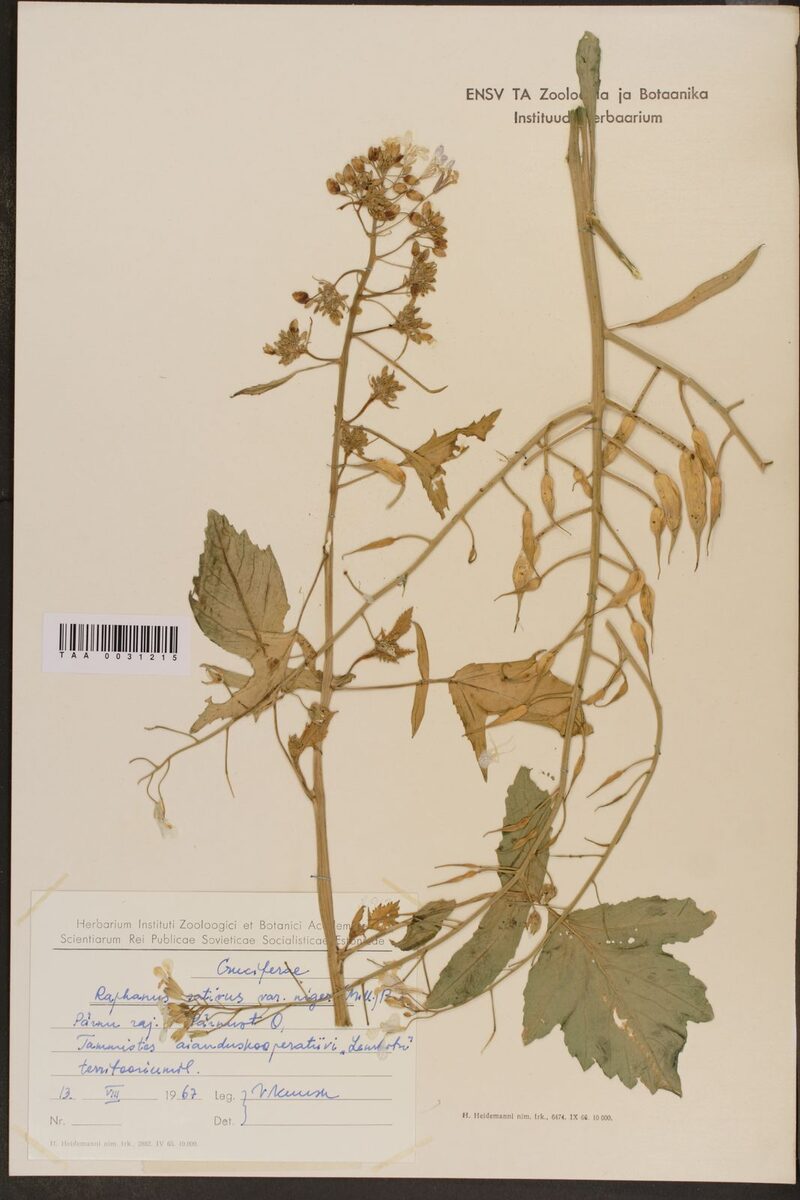
Raphanus sativus var. niger
Oriental radish, Black Spanish winter radish
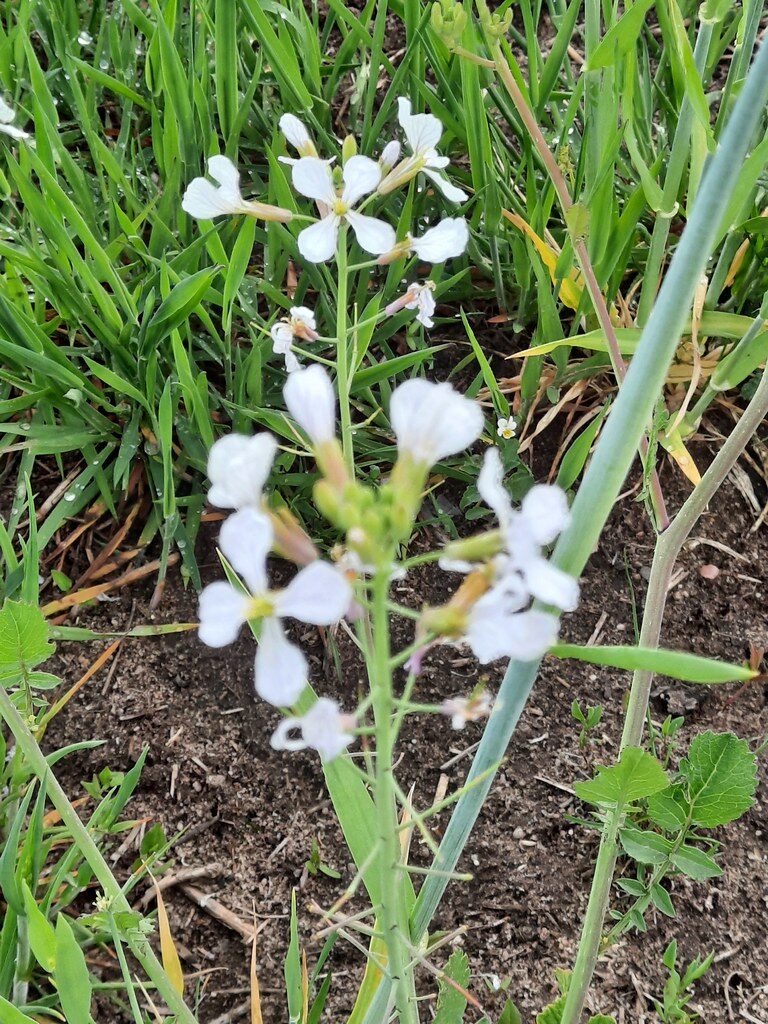
Raphanus sativus var. oleiformis
Fodder radish, Oil radish, Oilseed radish
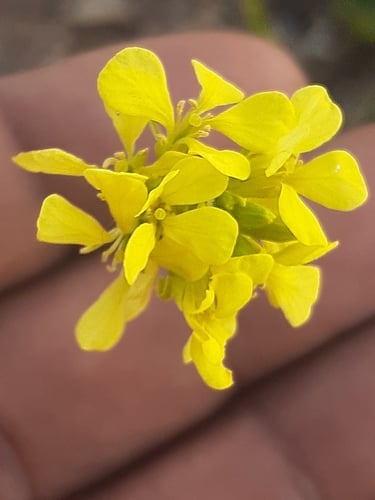
Rapistrum rugosum
Turnip Weed, Short-fruited wild turnip
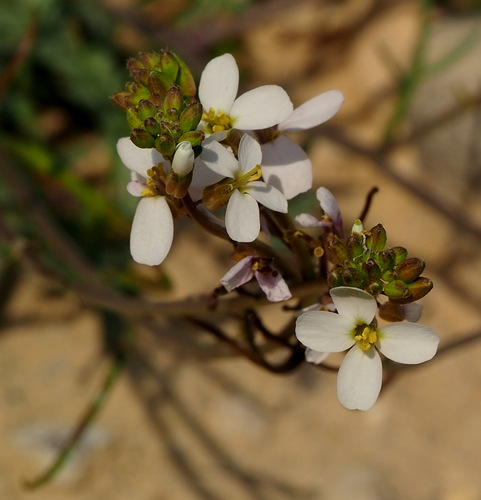
Reboudia pinnata
Sli 'adi
Rhynchosinapis monensis - (L.)Dandy.
Isle Of Man Cabbage
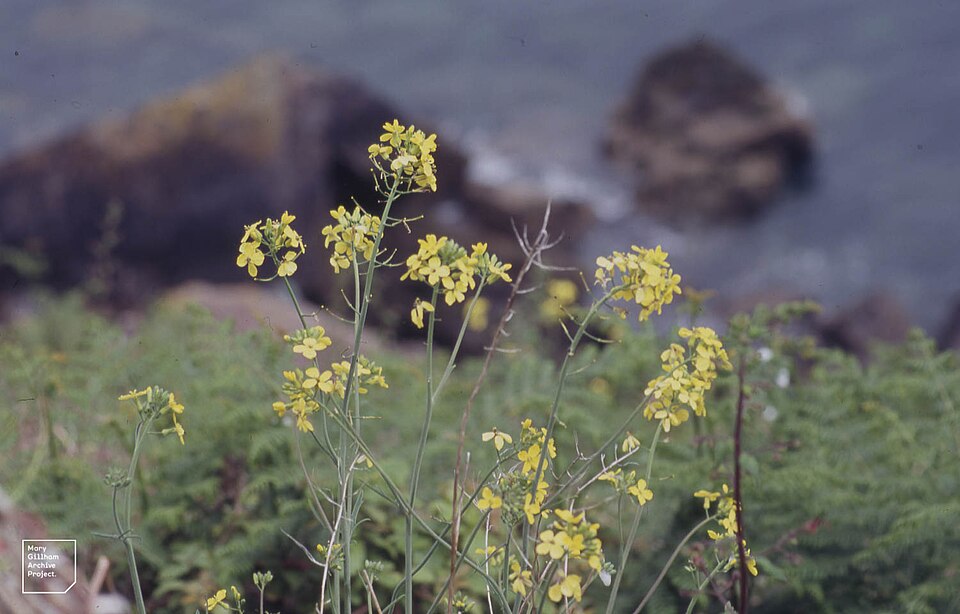
Rhynchosinapis wrightii
Lundy cabbage