Caragana boisii
C. K. Schneid.
wikimedia· cc-by-sa
Wikimedia Commons - Athenchen
wikimedia· cc-by-sa
Wikimedia Commons - Krzysztof Ziarnek, Kenraiz
Summary
Fast-growing deciduous shrub reaching 2 m tall by 1.5 m wide. Hardy to UK zone 2. Hermaphrodite flowers bloom in May, pollinated by bees; seeds ripen September. Nitrogen-fixing capacity. Attracts wildlife. Grows in light sandy or medium loamy soils, prefers well-drained conditions, and tolerates nutritionally poor soil. Tolerates mildly acid to very alkaline pH. Requires full sun. Prefers dry or moist soil and tolerates drought. Wind-resistant but not maritime exposure.
Description
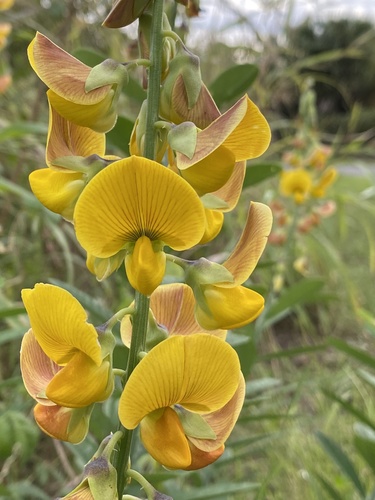
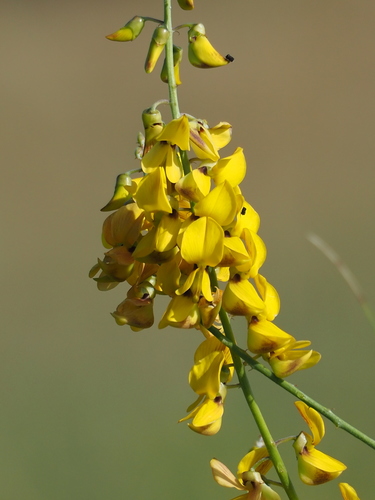
A shrub. It grows 1.3 m tall. The leaves have leaflets along the stalk. There are 8-20 leaflets. They are 5-18 mm long by 4-12 mm wide. The flower are usually single but can be as 3 together. They are yellow. The pods are 3-5 cm long by 4-6 mm wide.
Edible Uses
The following information is based on the closely related C. arborescens and is considered likely to apply to this species as well. The seed is small but produced in abundance, with 4–6 seeds per pod. Cooked, it has a bland flavour best suited to spicy dishes; raw, the flavour is mildly pea-like, though whether it is suitable in large quantities when raw is uncertain. The seed contains 12.4% fatty oil and up to 36% protein, and has been recommended as an emergency food for humans. Young pods are cooked and used as a vegetable.
Medicinal Uses
None known.
Known Hazards
The following report belongs to the closely related C. arborescens. Reports that this plant contains toxins have not been substantiated. The occurrence of cystine in the seeds is doubtful.
Distribution
It is a temperate plant. In central China it grows in valleys and on terraces between 2,200-3,200 m above sea level. In Sichuan.
Where It Grows
Asia, China,
Cultivation
Succeeds in most well-drained soils, preferring full sun and a light sandy dry or well-drained soil. Tolerates very alkaline soils. Does not require a rich soil, succeeding on marginal land. Established plants are drought resistant. Fast growing. This species is hardy to at least -30°c, it prefers a continental climate with hot summers and cold winters so it does not grow so well in the milder western half of Britain. This species is closely related to C. arborescens, differing in the longer teeth of the calyx and in the downy ovary and young fruit. It can probably be used in all the ways C. arborescens is used and therefore has an excellent potential for human food.. A good bee plant. Plants in this genus are notably resistant to honey fungus. This species has a symbiotic relationship with certain soil bacteria, these bacteria form nodules on the roots and fix atmospheric nitrogen. Some of this nitrogen is utilized by the growing plant but some can also be used by other plants growing nearby.
Propagation
Seed is best sown as soon as it is ripe in a cold frame, where it usually germinates within 2 weeks. Stored seed should be pre-soaked for 24 hours in warm water before sowing; if seed has not swollen, scarify and re-soak for a further 12 hours. Germination normally occurs within 2–3 weeks at 20°C with a good percentage success rate. Prick seedlings into individual pots as soon as large enough to handle and grow on under glass for at least their first winter. Plant out in late spring or early summer after the last expected frosts. Cuttings of half-ripe wood, 7–10cm with a heel, can be taken in July or August and rooted in a frame. Layering can be done in spring.
Other Uses
The following information is based on the closely related C. arborescens and is considered likely to apply to this species as well. A fibre obtained from the bark is used for cordage. A blue dye is obtained from the leaves. The seed contains 12.4% fatty oil. The plant can be grown as a wind-resistant hedge or used in shelterbelts. Its extensive root system makes it useful for erosion control on marginal land.
Production
In China plants flower in May and fruit in July to August.
Notes
There are 80 Caragana species. They grow in temperate continental climates.
Synonyms
References (2)
- Ill. Handb. Laubholzk. 2:96. 1907
- Plants for a Future database, The Field, Penpol, Lostwithiel, Cornwall, PL22 0NG, UK. http://www.scs.leeds.ac.uk/pfaf/