Campomanesia adamantium
(Cambess.) O. Berg
Gabiroba
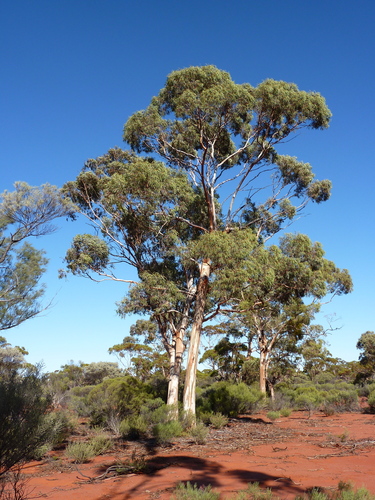
iNaturalist· cc-by-nc
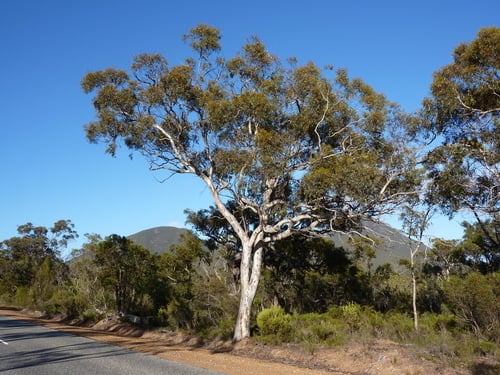
(c) Laurent Quéno, some rights reserved (CC BY-NC), uploaded by Laurent Quéno
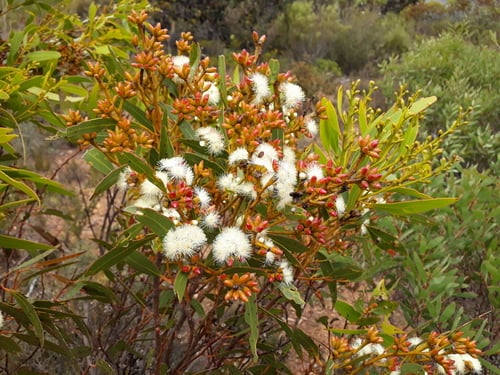
iNaturalist· cc-by-nc
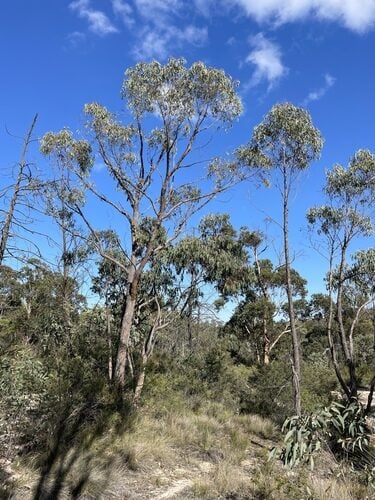
(c) Richard Matheus Fernandes, some rights reserved (CC BY-NC)
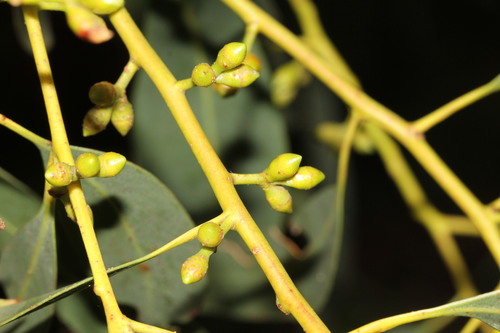
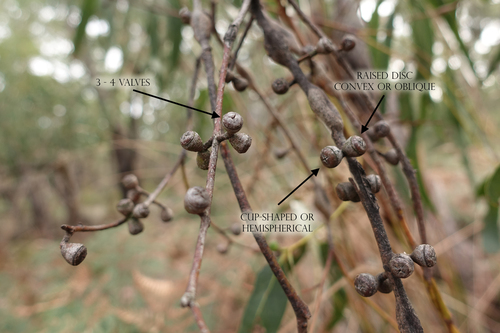
iNaturalist· cc-by-nc
(c) Eliara Solange Müller, some rights reserved (CC BY-NC), uploaded by Eliara Solange Müller
Summary
Source: WikipediaCampomanesia adamantium, commonly known as gabiroba, guavira, or guabiroba do campo, is a short shrub-like plant that grows no taller than 1.5 meters on average It is natively found in the central part of South America, in Paraguay and Brazil. The plant produces small yellow-green edible fruits
Description
A shrub. It grows 0.5-1.5 m tall. It is a variable plant. The branches are yellow. The leaves are leathery and smooth when mature. They are 3-10 cm long. The flowers occur singly. The fruit is round and yellow. They are 2-2.5 cm across. They can be green or red. It has a juicy pulp and many soft seeds.
Edible Uses
The fruit can be eaten fresh or used to make juices, ice cream, jams, and sweets.
Traditional Uses
The fruit can be eaten fresh or used for juices, ice cream, jams and sweets.
This uses section is brief — help expand it
Distribution
A tropical plant. It grows in fields and savannas in Brazil.
Where It Grows
Brazil*, Paraguay, South America,
Cultivation
Plants are grown from seed.
Other Information
The fruit are enjoyed.
Notes
There are at least 11 Campomanesia species.
Nutrition
| Part | Moisture | kJ | kcal | Protein | Vit A | Vit C | Iron | Zinc |
|---|---|---|---|---|---|---|---|---|
| Fruit | 75.9 | 351 | 84 | 1.6 | — | 234 | 1.1 | 0.5 |
Synonyms
Also Known As
Gabiroba, Guabiroba branca, Guabiroba-do-campo, Guabiroba-do-cerrado, Guabiroba-lisa, Guavira, White guabiroba
References (12)
- Bortolotto, I. M., et al, 2018, Lista preliminar das plantas alimenticias nativas de Mato Grosso do Sul, Brasil. Iheringia, Serie Botanica, Porto Alegre, 73 (supl.):101-116
- Brazil: Biodiversity for Food and Nutrition (As Campomanesia cambessedeana)
- Hunter, D., et al, 2019, The potential of neglected and underutilized species for improving diets and nutrition. Planta (2019) 250:709-729
- Kermath, B. M., et al, 2014, Food Plants in the Americas: A survey of the domesticated, cultivated and wild plants used for Human food in North, Central and South America and the Caribbean. On line draft. p 170
- Leal, M. L. et al, 2018, Knowledge, use, and disuse of unconventional food plants. Journal of Ethnobiology and Ethnomedicine (2018) 14:6
Show all 12 references Hide references
- Linnaea 27:434. 1856
- Lorenzi, H., Bacher, L., Lacerda, M. & Sartori, S., 2006, Brazilian Fruits & Cultivated Exotics. Sao Paulo, Instituto Plantarum de Estuados da Flora Ltda. p 178
- Peres, M. K., 2011, Diasporos do Cerrado Atrativos para Fauna: Chave Interativa Caracterizacao Visual e Relacoes Ecologicas. Masters thesis. Universidade de Brasilia.
- USDA, ARS, National Genetic Resources Program. Germplasm Resources Information Network - (GRIN). [Online Database] National Germplasm Resources Laboratory, Beltsville, Maryland. Available: www.ars-grin.gov/cgi-bin/npgs/html/econ.pl (10 April 2000)
- World Checklist of Useful Plant Species 2020. Royal Botanic Gardens, Kew
- www.colecionandofrutas.org
- www.tradewindsfruit.com