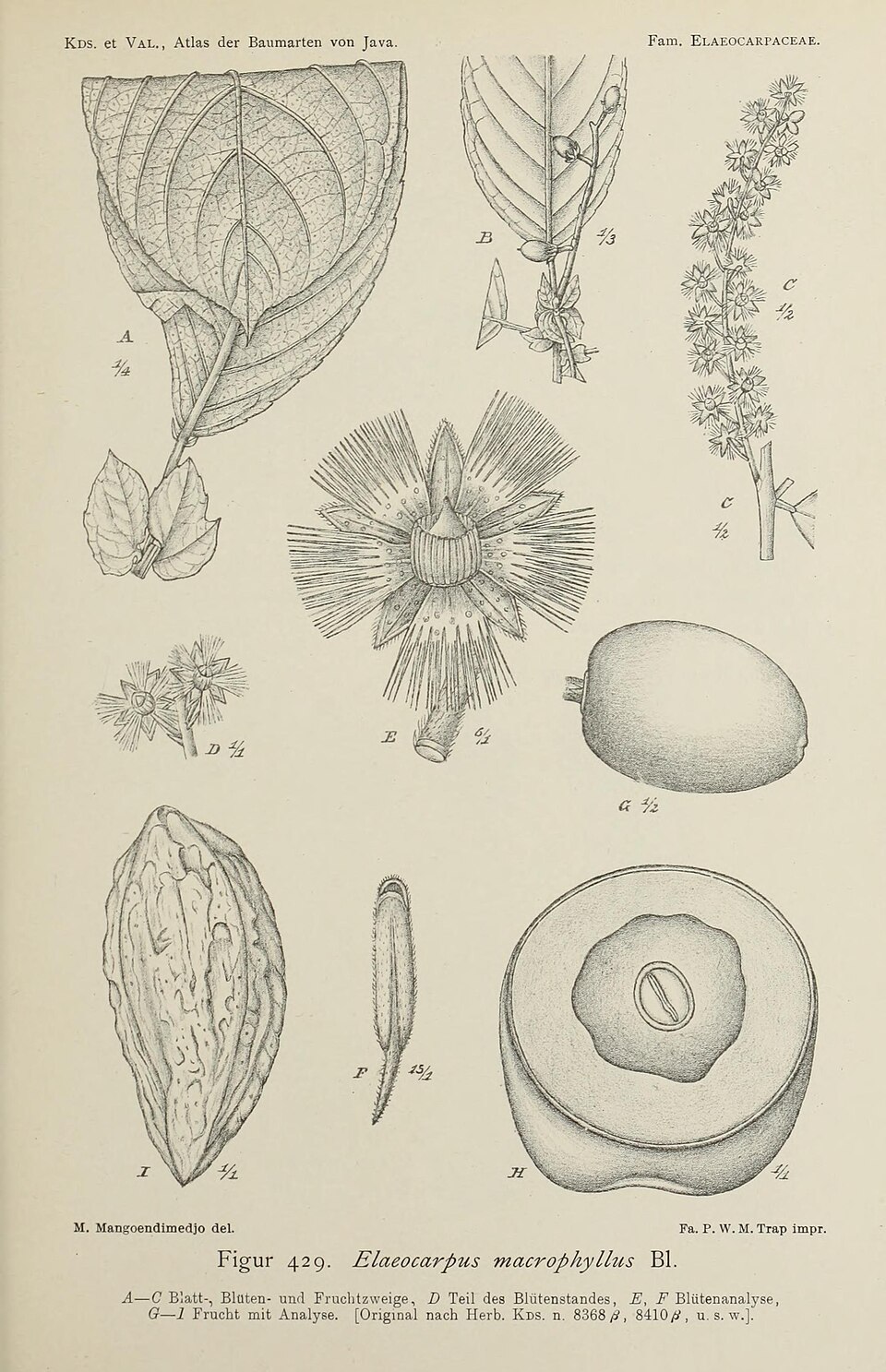
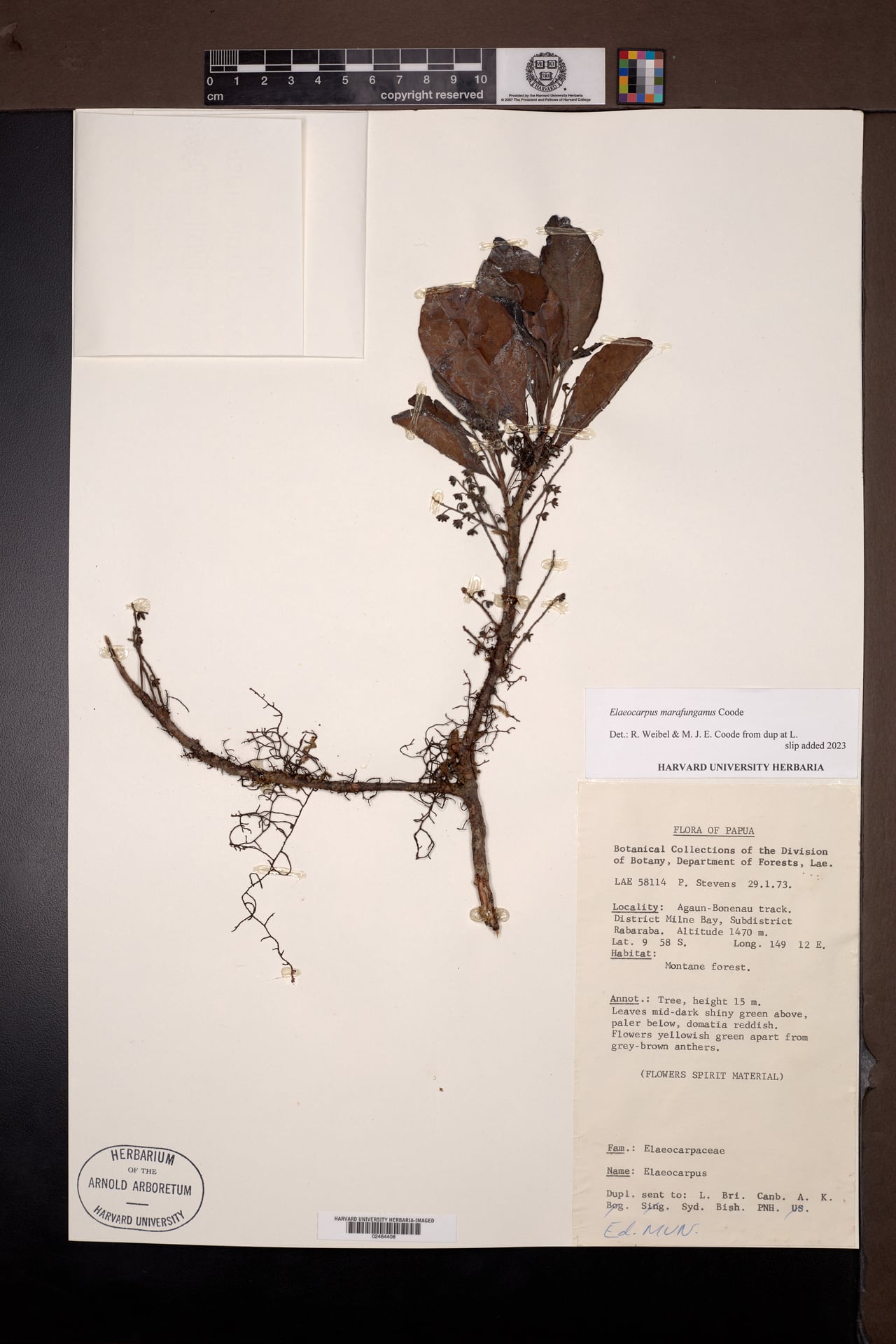
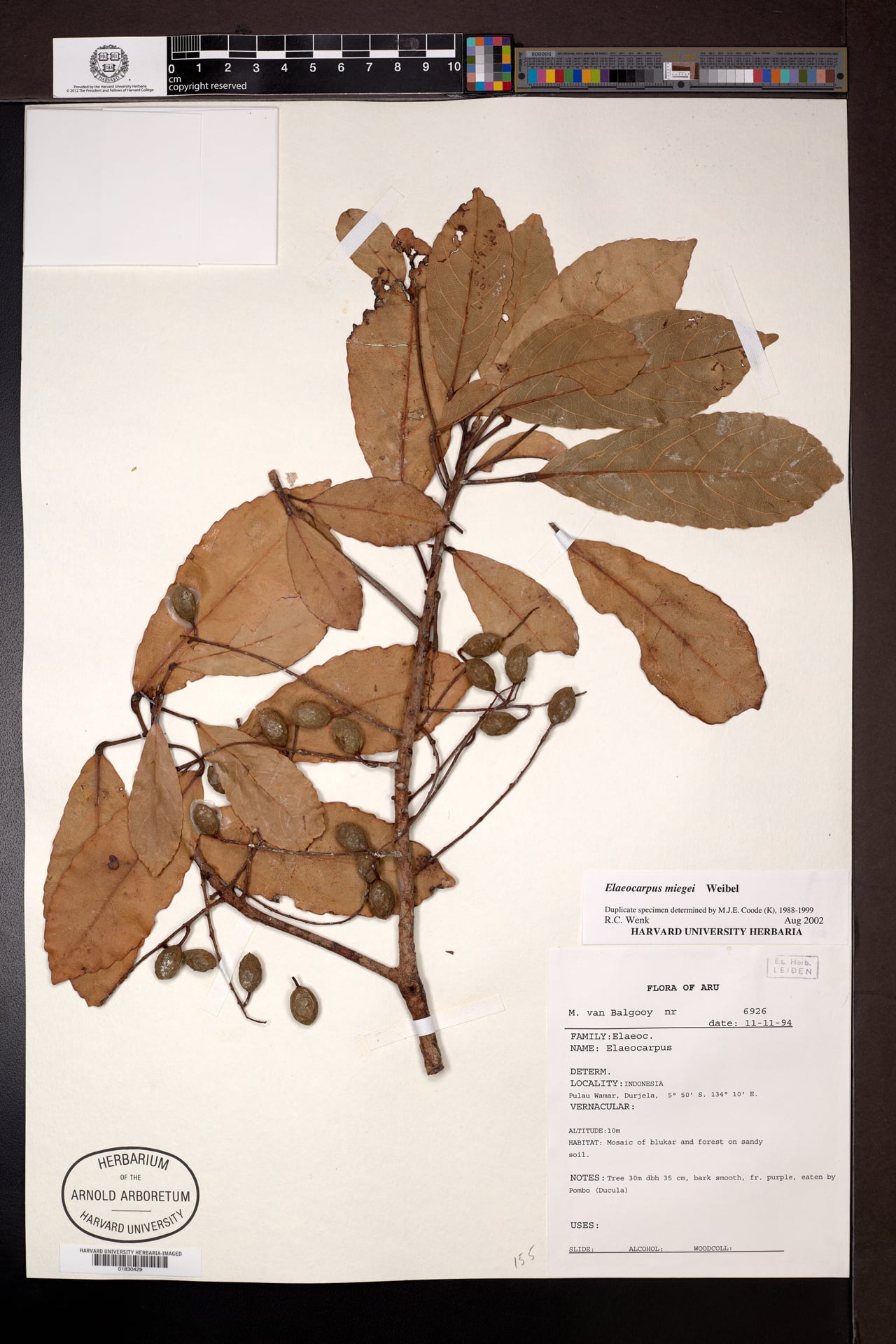
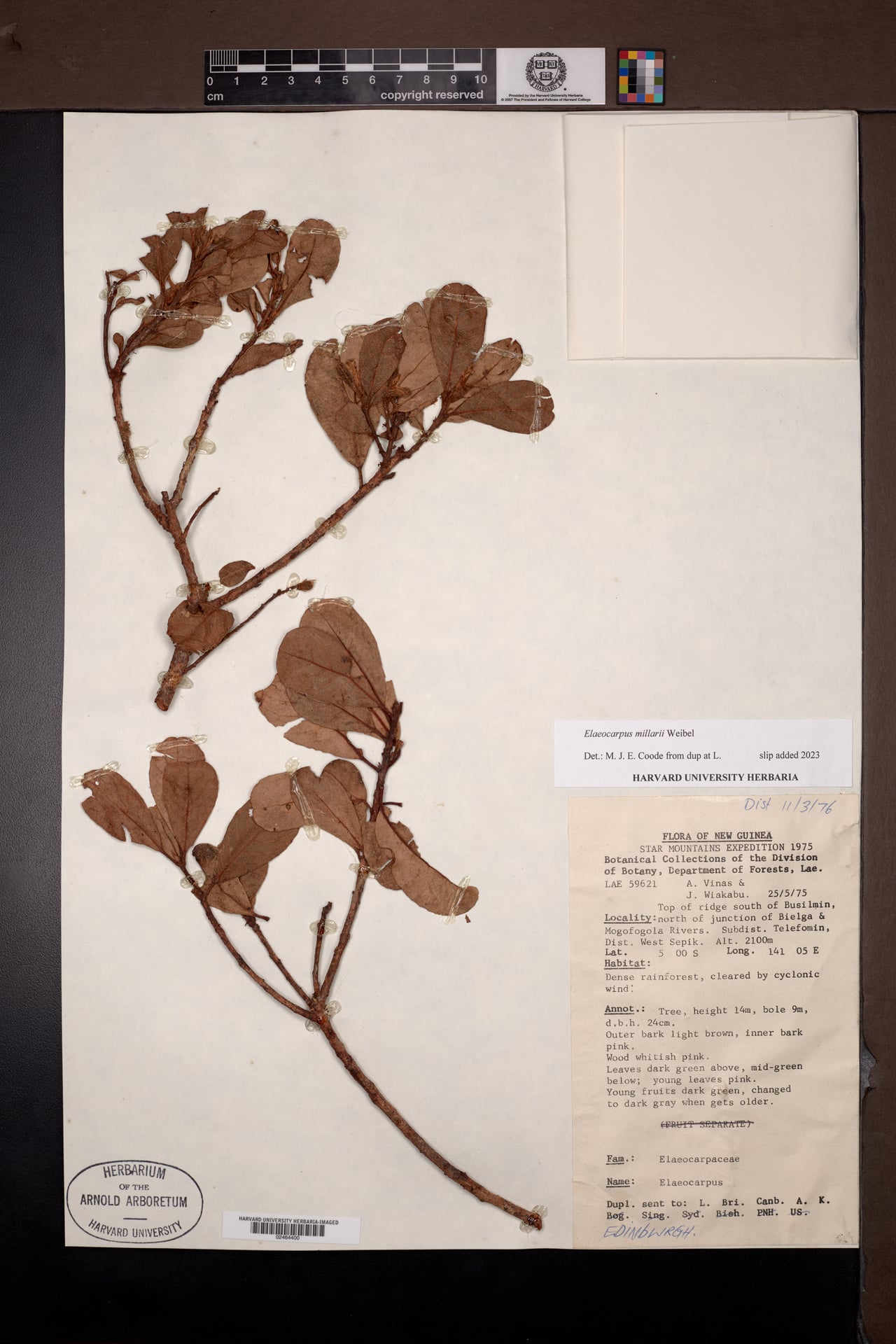
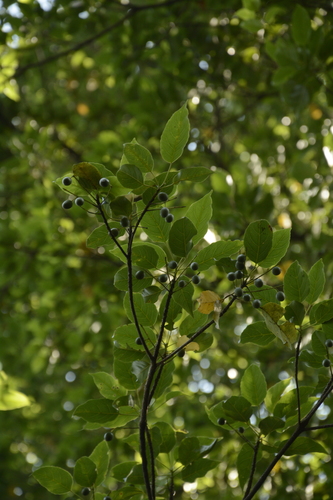
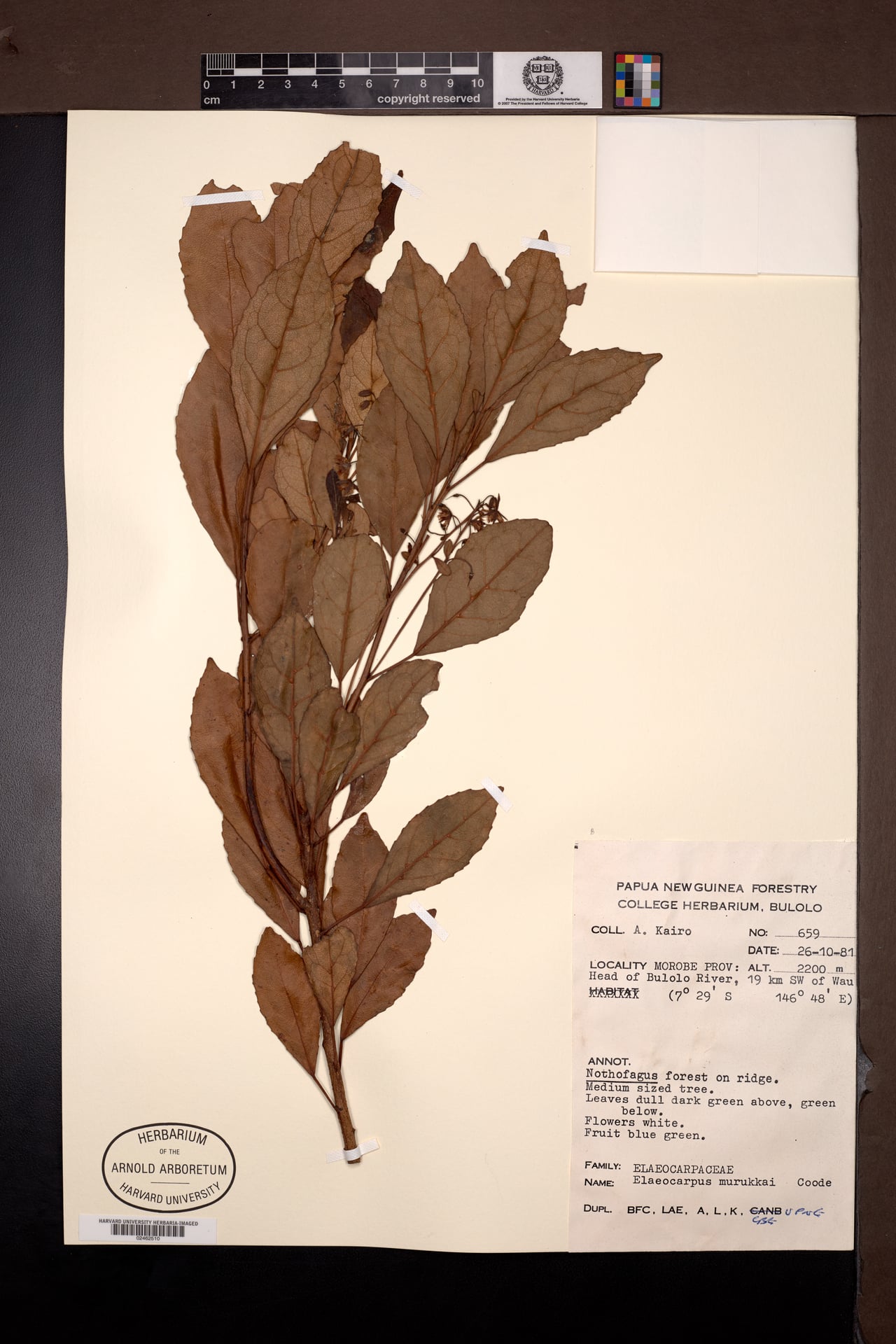
Aceratium oppositifolium
D.C.
Belimbing hutan, Kariala
gbif· cc0
President and Fellows of Harvard College
gbif· cc0
President and Fellows of Harvard College
Description
A shrub or small tree. It grows 5 m tall. There are prickles along the stem. The leaves are twice divided and there are 8-18 pairs of pinnae. There are up to 50 pairs of pinnules on each pinnae. The flowers are yellow. They are in large clusters at the ends of branches. The pods are flattened.
Edible Uses
The fruit is eaten fresh or used in jellies and pickles due to its acidic flavor.
Traditional Uses
The fruit is eaten. It is acid so is used for jellies or pickles.
This uses section is brief — help expand it
Known Hazards
In some places the fruit is very sour and considered inedible.
Distribution
It is a tropical plant. It thrives in shady places. It grows from sea level up to 300-800 m in the tropics. It is common on wet soils. It occurs in mountain forest.
Where It Grows
Asia, Indonesia, Malaysia, Pacific, Papua New Guinea, PNG, SE Asia, Solomon Islands, Vanuatu,
Cultivation
It is grown from seed.
Other Information
A minor wild edible fruit.
Notes
There are 20 Aceratium species. In some places the fruit of this one is very sour and inedible.
Synonyms
Also Known As
Kachubu, Posesi, Wungan
References (12)
- Altschul, S.V.R., 1973, Drugs and Foods from Little-known Plants. Notes in Harvard University Herbaria. Harvard Univ. Press. Massachusetts. no. 2698 (As Aceratium branderhorstii)
- Borrell, O.W., 1989, An Annotated Checklist of the Flora of Kairiru Island, New Guinea. Marcellin College, Victoria Australia. p 70, 186
- Burkill, I.H., 1966, A Dictionary of the Economic Products of the Malay Peninsula. Ministry of Agriculture and Cooperatives, Kuala Lumpur, Malaysia. Vol 1 (A-H) p 914 (As Elaeocarpus oppositifolius)
- Cabalion, P. and Morat, P., 1983, Introduction le vegetation, la flore et aux noms vernaculaires de l'ile de Pentcoste (Vanuatu), In: Journal d'agriculture traditionnelle et de botanique appliquee JATBA Vol. 30, 3-4
- Coode, M.J.E., in Henty, E.E., (Ed.), 1981, Handbooks of the Flora of Papua New Guinea, Vol 2. Melbourne University Press, p 45
Show all 12 references Hide references
- French, B., 1986, Food Plants of Papua New Guinea, Asia Pacific Science Foundation p 187
- French, B.R., 2010, Food Plants of Solomon Islands. A Compendium. Food Plants International Inc. p 151
- Lebot, V., et al, The Domestication of Fruit and Nut Tree Species in Vanuatu, Oceania. in INDIGENOUS FRUIT TREES IN THE TROPICS Domestication, Utilization and Commercialization. ICRAF, Cabi. p 140
- Macmillan, H.F. (Revised Barlow, H.S., et al) 1991, Tropical Planting and Gardening. Sixth edition. Malayan Nature Society. Kuala Lumpur. p 290
- Peekel, P.G., 1984, (Translation E.E.Henty), Flora of the Bismarck Archipelago for Naturalists, Division of Botany, Lae, PNG. p 353, 351
- Siemonsma, J. S. & Kasem Piluek, eds. 1993. Vegetables. In: Plant Resources of South-East Asia (PROSEA) 8:311.
- Walter, A. & Sam C., 2002, Fruits of Oceania. ACIAR Monograph No. 85. Canberra. p 83 (Also as Aceratium insulare p 278)