Calystegia soldanella
(L.) R.Br.
Sea bindweed
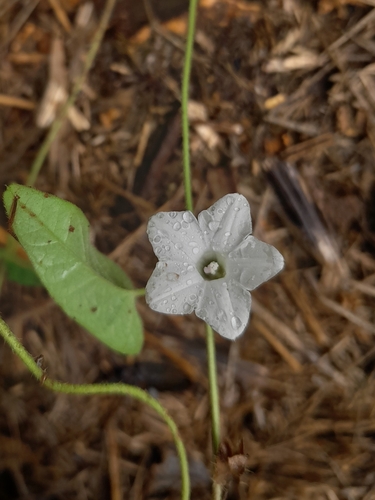
iNaturalist· cc-by-nc
(c) Krylenko VV, some rights reserved (CC BY-NC), uploaded by Krylenko VV
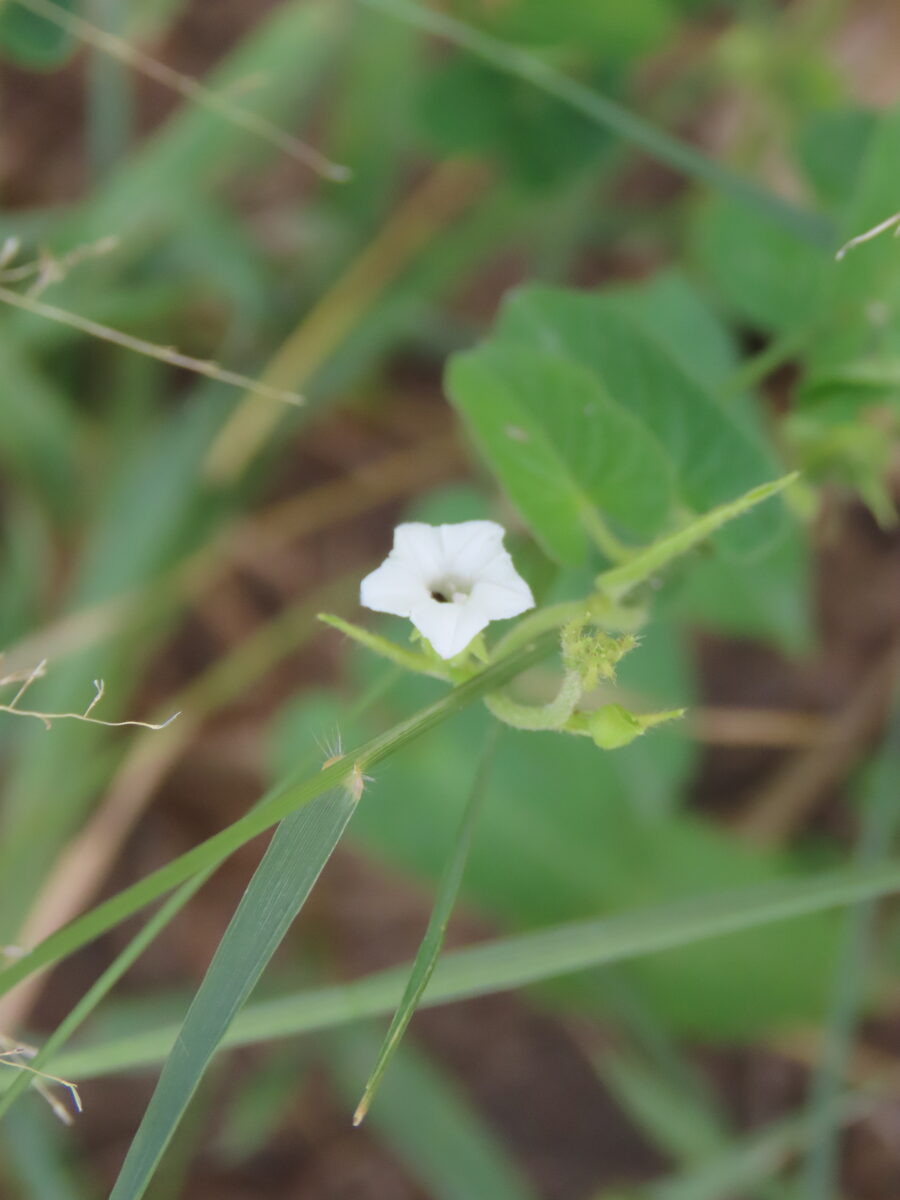
iNaturalist· cc-by-nc
(c) carla corazza, some rights reserved (CC BY-NC), uploaded by carla corazza
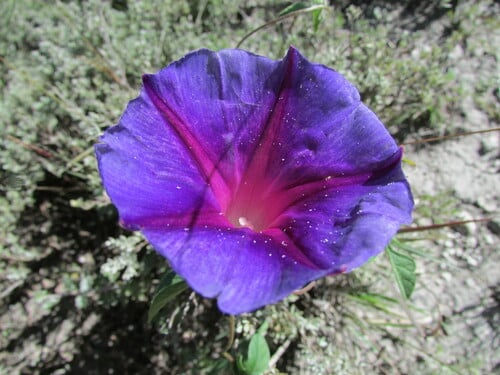
iNaturalist· cc-by-nc
(c) Dani Montijo, some rights reserved (CC BY-NC), uploaded by Dani Montijo
Summary
Source: WikipediaCalystegia soldanella (syn. Convolvulus soldanella) is a species of bindweed known by various common names such as sea bells, sea bindweed, seashore false bindweed, shore bindweed, shore convolvulus and beach morning glory.
Description
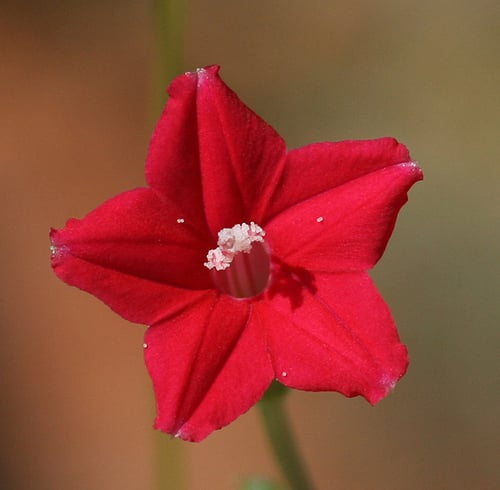
It is a creeping or twining plant. The stems can be 1.5-2.5 m long and lie along the ground. The stems are often buried in sand and tufts of leaves are above the ground. The leaves are bright green and 2 cm long by 3 cm wide. They are heart or kidney shaped. The flowers are pale pink and produced in the axils of leaves. They are "morning glory" type flowers, like sweet potato. They are funnel shaped. The flowers open one after another along the stem. The flowers are 3-5 cm long and 1.5 cm across. Flowers last only one day. The fruit are round and 1.5 cm long. The seeds are dark brown and smooth.
Edible Uses
Edible Parts: Leaves Shoots Edible Uses: Young shoots - cooked as a vegetable or pickled and used as a samphire substitute. Caution is advised since the plant might have a purgative effect.
Traditional Uses
The tender stalks are pickled. The young shoots are pickled and eaten as a substitute for samphire.
This uses section is brief — help expand it
Medicinal Uses
Antiscorbutic Diuretic Febrifuge Irritant Purgative Vermifuge Antiscorbutic, diuretic, febrifuge, irritant, purgative and vermifuge.
Known Hazards
The plant may have purgative effects and possesses irritant qualities.
Distribution
It grows in temperate locations. It grows on coastal sand dunes. It grows in temperate places but can also grow in tropical places. It needs well drained soil. It can grow in dry soil and in full sunlight. It cannot stand frost. Tasmania Herbarium.
Where It Grows
Africa, Argentina, Asia, Australia, Britain, Chile, China, Europe, France, Germany, Greece, Italy, Japan, Korea, Mediterranean, Netherlands, New Zealand, Norfolk Island, North America, Pacific, Portugal, Russia, South America, Spain, Taiwan, Tasmania, Turkey, Türkiye, Uruguay, USA,
Cultivation
Plants can be grown from seed or cuttings.
Propagation
Seed - sow spring in a cold frame in a free draining compost and only just cover. The seed usually germinates in 1 - 3 months at 15°c. When they are large enough to handle, prick the seedlings out into individual pots and grow them on in a cold frame for at least their first winter. Plant them out into their permanent positions in late spring or early summer, after the last expected frosts. Division in early spring whilst dormant.
Other Uses
String The stems are very flexible and are used as a string for tying. Fairly strong but not long-lasting. Special Uses
Notes
It is useful for binding sand dunes. There are 25 Calystegia species.
Synonyms
References (17)
- Bircher, A. G. & Bircher, W. H., 2000, Encyclopedia of Fruit Trees and Edible Flowering Plants in Egypt and the Subtropics. AUC Press. p 75
- Blamey, M and Grey-Wilson, C., 2005, Wild flowers of the Mediterranean. A & C Black London. p 183
- Bodkin, F., 1991, Encyclopedia Botanica. Cornstalk publishing, p 205
- Chen, B. & Qiu, Z., Consumer's Attitudes towards Edible Wild Plants, Ishikawa Prefecture, Japan. p 22 www.hindawi.com/journals/ijfr/aip/872413.pdf (As Calystegia soldanella (L.) Roem. & Schultz. )
- Crowe, A., 1997, A Field Guide to the Native Edible Plants of New Zealand. Penguin. p 69
Show all 17 references Hide references
- Curtis, W.M., 1993, The Student's Flora of Tasmania. Part 3 St David's Park Publishing, Tasmania, p 498
- Flora of Australia Volume 49, Oceanic Islands 1, Australian Government Publishing Service, Canberra. (1994) p 309
- Harris, S., Buchanan, A., Connolly, A., 2001, One Hundred Islands: The Flora of the Outer Furneaux. Tas Govt. p 127
- Hedrick, U.P., 1919, (Ed.), Sturtevant's edible plants of the world. p 145
- Jones, D.L. & Gray, B., 1977, Australian Climbing Plants. Reed. p 84
- Lamp, C & Collet F., 1989, Field Guide to Weeds in Australia. Inkata Press. p 49
- Marinelli, J. (Ed), 2004, Plant. DK. p 209
- Molyneux, B & Forrester, S., 1997, The Austraflora A-Z of Australian Plants. Reed. p 63
- Paczkowska, G. & Chapman, A.R., 2000, The Western Australian Flora. A Descriptive Catalogue. Western Australian Herbarium. p 216
- Plants for a Future database, The Field, Penpol, Lostwithiel, Cornwall, PL22 0NG, UK. http://www.scs.leeds.ac.uk/pfaf/
- Prodr. 483. 1810
- Tasmanian Herbarium Vascular Plants list p 22