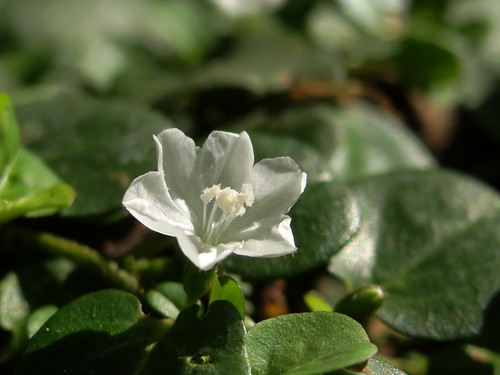
Convolvulus japonicus
Thunb.
Rose glorybind, Japanese bindweed
Convolvulaceae Edible: Leaves, Vegetable, Root
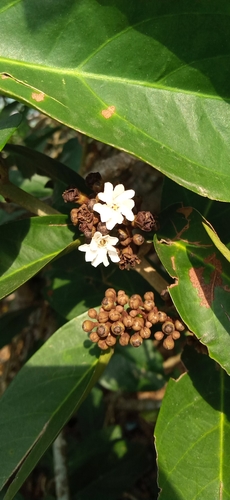
iNaturalist· cc-by-nc
(c) Charles, some rights reserved (CC BY-NC)
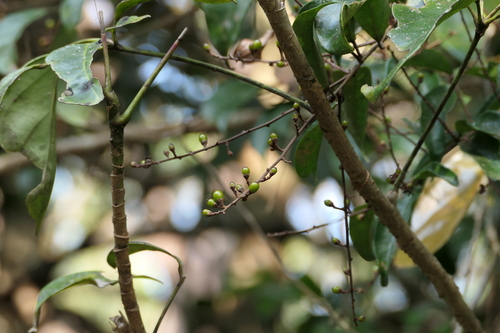
iNaturalist· cc-by-nc
(c) Charles, some rights reserved (CC BY-NC)
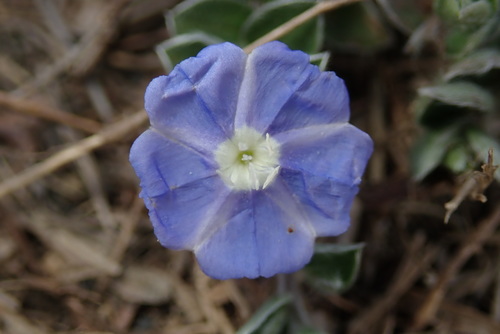
iNaturalist· cc-by-nc
(c) hakkahamushi, some rights reserved (CC BY-NC)
Description
A herbaceous bindweed in the morning glory family (Convolvulaceae) found in tropical regions and commercially cultivated as a vegetable.
This description is brief — help expand it
Edible Uses
The leafy shoots are eaten as a vegetable, and the roots are also edible.
Traditional Uses
The leafy shoots are eaten.
This uses section is brief — help expand it
Distribution
It is a tropical plant.
Where It Grows
Asia, China, Japan, Korea,
Other Information
It is a commercially cultivated vegetable.
Notes
There are 25 Calystegia species.
Synonyms
Calystegia japonica (Miq.) ChoisyIpomoea angustifolia
References (3)
- Kays, S. J., and Dias, J. C. S., 1995, Common Names of Commercially Cultivated Vegetables of the World in 15 languages. Economic Botany, Vol. 49, No. 2, pp. 115-152
- Plants for a Future database, The Field, Penpol, Lostwithiel, Cornwall, PL22 0NG, UK. http://www.scs.leeds.ac.uk/pfaf/
- READ,