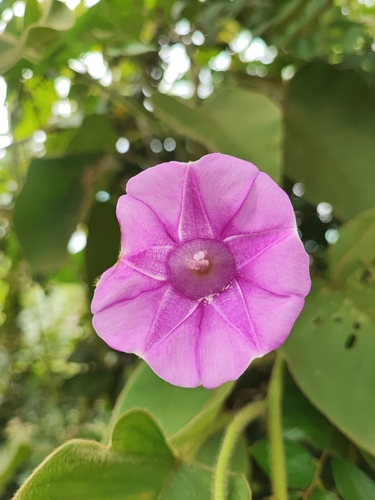
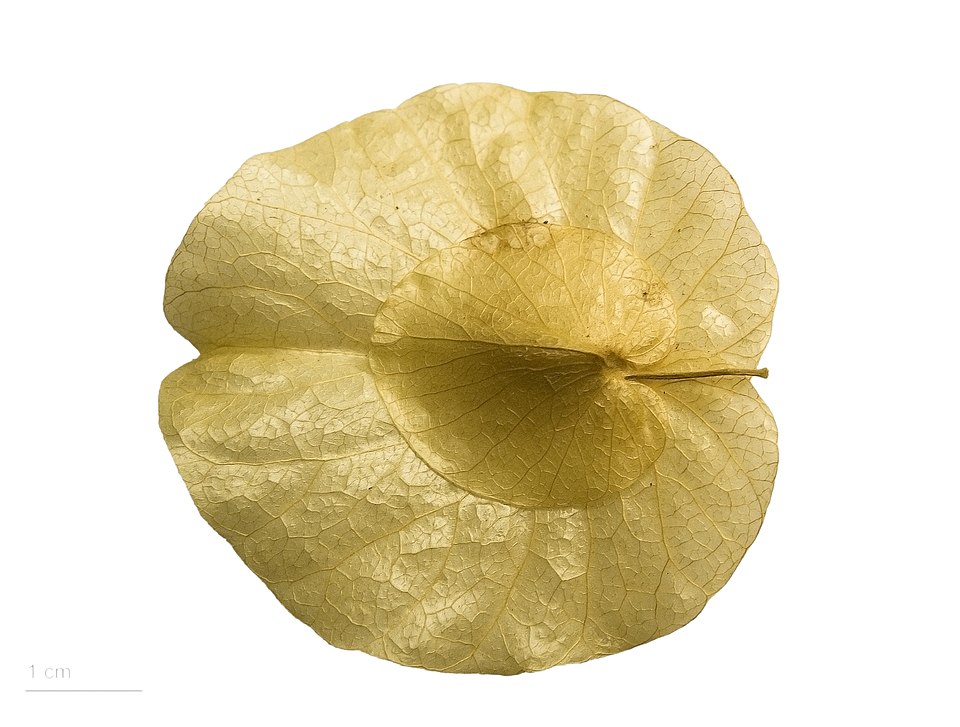
Erycibe paniculata
Roxb.
iNaturalist· cc-by-nc
(c) Hani Ristiawan, some rights reserved (CC BY-NC), uploaded by Hani Ristiawan
iNaturalist· cc-by-nc-nd
(c) Subhajit Roy, some rights reserved (CC BY-NC-ND), uploaded by Subhajit Roy
Summary
Source: WikipediaErycibe paniculata is a dicot rainforest liana of the family Convolvulaceae and is native to Indo-China and southern China. It is noteworthy for its very curious petals. Each flower has a five-lobed corolla from each lobe of which project two petal-like extensions at about a 45 degree angle from each other.
Description
A large woody climber. The leaves and flowers have a rusty coating. The leaves are oval. They are 4-8 cm long by 2-5 cm wide. They taper to a blunt tip. The flowers are yellow and have a scent. They are 6-8 mm across. The fruit is an oval berry. They are 6-8 mm long by 3-4 mm wide. They are small and black when ripe. They have one seed.
Edible Uses
The sweet berries are eaten.
Traditional Uses
The sweet berries are eaten.
This uses section is brief — help expand it
Distribution
It is a subtropical plant. It grows in moist deciduous forests.
Where It Grows
Andamans, Asia, Himalayas, India, Myanmar, Northeastern India, SE Asia,
Production
In southern India it flowers and fruits November to March.
Notes
There are about 66 Erycibe species. They are mostly in Asia.
Also Known As
Bodolombomano, Irimpi yatali, Kari, Nigoni boal lota, Niguniboallota, Puttapalatige, Unam-kodi
References (6)
- Ambasta, S.P. (Ed.), 2000, The Useful Plants of India. CSIR India. p 203
- Heywood, V.H., Brummitt, R.K., Culham, A., and Seberg, O. 2007, Flowering Plant Families of the World. Royal Botanical Gardens, Kew. p 109
- Patiri, B. & Borah, A., 2007, Wild Edible Plants of Assam. Geethaki Publishers. p 86
- Ramakrishna, N. & Singh, DSR, R., 2020, Ethno-Botanical Studies of Edible Plants Used by Tribal Women in Nirmal District. IJSRSET p 309
- Sarma, H., et al, 2010, Updated Estimates of Wild Edible and Threatened Plants of Assam: A Meta-analysis. International Journal of Botany 6(4): 414-423
Show all 6 references Hide references
- Wild edible plants of Himachal Pradesh