Cordia gerascanthus
L.
iNaturalist· cc-by-nc
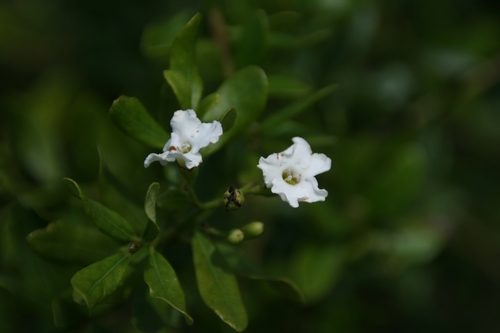
(c) 101164065346884869793, some rights reserved (CC BY-NC), uploaded by 101164065346884869793
iNaturalist· cc-by-nc
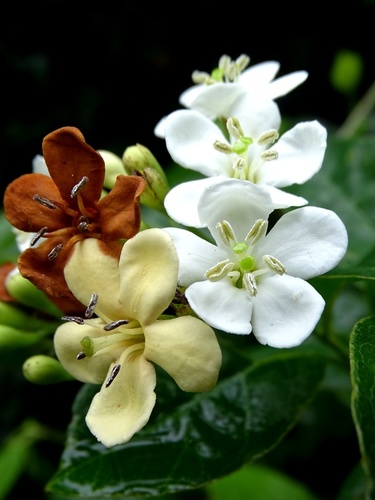
(c) Bayardo Alberto González Ñamendy, some rights reserved (CC BY-NC), uploaded by Bayardo Alberto González Ñamendy
iNaturalist· cc0
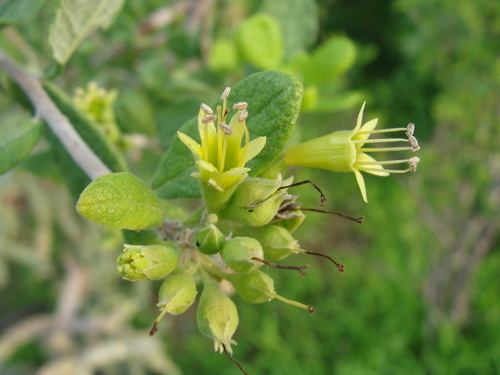
no rights reserved, uploaded by Jim
Description
A tropical tree in the family Boraginaceae.
This description is brief — help expand it
Edible Uses
The brown, ellipsoid fruit is around 7 - 8mm long and 3 - 4mm wide. The fruits of most Cordia species are comprised of a thin to fairly thick layer of pulpy, sweetish-tasting flesh surrounding a single seed and are more or less edible. (though some are known to cause gastric disturbances). This species, however, belongs to a section of the genus where the mesocarp is fibrous rather than fleshy.
Medicinal Uses
The fruits are edible and are eaten in a variety of cuisine. The gum from the tree is also edible. The timber is used as firewood and for making furniture and tools. The leaves are an important source of animal fodder. Both roots and bark are used to treat a variety of disorders in both humans and livestock, including malaria, intestinal disorders and conjunctivitis. In Turkana, the fruit is often eaten fresh, or collected into large quantities, dried, and stored. After storage it is rehydrated for consumption. The fruit is also used for juice, or to make beer, sometimes mixed with tamarind prior to fermentation. In the Tanout and Gouré Departments of Niger, the juicy pulp of the fruits is cooked down into a thick syrup locally called kango, which serves as a sweetener for porridges and can be preserved for a long time.
Distribution
It is a tropical plant.
Where It Grows
Belize, Bolivia, Central America, Colombia, Costa Rica, Cuba, Dominican Republic, Guatemala, Honduras, Mexico, South America, Trinidad and Tobago, West Indies,
Cultivation
Prefers a moist but freely draining soil and a position in full sun. Plants are triggered into flowering by rain showers that follow a dry period.
Propagation
Seed - very slow to germinate, the process can be sped up if the seed is scarified by lightly abrading the seedcoat to allow easier ingress of water. Cuttings.
Other Uses
A fibre is obtained from the bark. The rose-coloured wood is strong and elastic. The heart-wood is of a deep purplish-lilac colour, marked with thin black streaks running with the grain, and having a bright metallic lustre; it is clearly demarcated from the 18 - 50mm wide band of bright yellow sapwood. The wood is dense and hard, fairly sound-hearted, free from cuppy shakes, it stands well, and for some purposes is a good substitute for lignum-vitae. The wood is used for construction, making doors, venetian blinds, sweeps of sugar mills, furniture and boats. It is also useful for tool and knife handles, turnery and walkingsticks, and the butt ends of billiard cues. The flowers are a good source of nectar for bees.
Synonyms
Also Known As
Amapa, Bacal che', Bahon, Bahonche, Baria, Baria negra, Bohom, Bojom, Bojum, Canalete, Canaletta, Capa prieta, Kop te, Laura pardo, Laurel hembra, Muneco, Palo de asta, Uva gomosa, Varia, Varia negra, Varia prieta
References (3)
- FMNH Botany Collections Database - Mesoamerican Ethnobotany emuweb.field museum.org (As garascanthus)
- Grandtner, M. M. & Chevrette, J., 2013, Dictionary of Trees, Volume 2: South America: Nomenclature, Taxonomy and Ecology. Academic Press p 160
- World Checklist of Useful Plant Species 2020. Royal Botanic Gardens, Kew