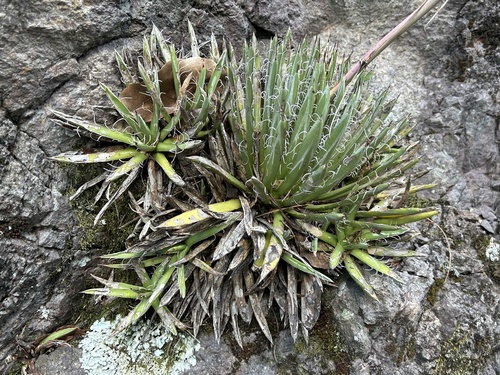
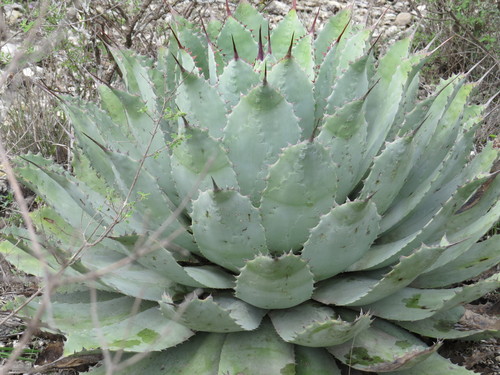
Albuca abyssinica
Murray
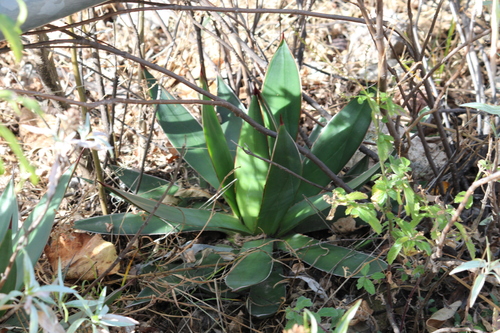
iNaturalist· cc-by-nc
(c) magdastlucia, some rights reserved (CC BY-NC), uploaded by magdastlucia
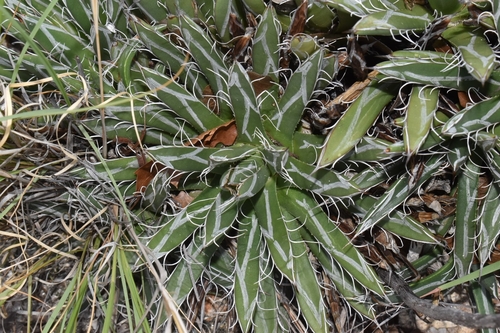
iNaturalist· cc-by-nc
(c) Troos van der Merwe, some rights reserved (CC BY-NC), uploaded by Troos van der Merwe
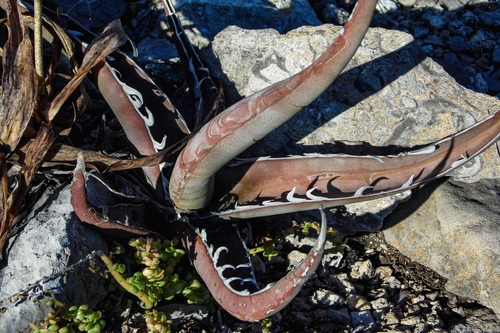
iNaturalist· cc-by-nc
(c) Umar Musa, some rights reserved (CC BY-NC), uploaded by Umar Musa
Summary
Source: WikipediaAlbuca abyssinica (syn. Albuca melleri), known in Tanzania by the common names koyosa and kitunguu pori, is a species of flowering plant in the family Asparagaceae, native to tropical regions in Africa. The flowers grow terminal racemes 20 – 30 cm long with the plant achieving heights between 60 and 100 cm. Its bulb has been used to treat inflammation and for dressing wounds.
Description
A herb. It keeps growing each year from its bulb. It produces annual stems. It can grow 2 m high. It has a bulb 5 cm across. The leaves are in a ring at the base. The flowering stalks has large yellow flowers that hang down.
Edible Uses
The leaves are eaten as a vegetable.
Distribution
It is a tropical plant. It grows in wet places in hilly savannah.
Where It Grows
Africa, Arabia, Botswana, East Africa, Ethiopia, Kenya, Middle East, Mozambique, Nigeria, Sudan, West Africa, Zambia,
Notes
Also put in the family Hyacinthaceae.
Synonyms
References (5)
- Burkill, H. M., 1985, The useful plants of west tropical Africa, Vol. 3. Kew.
- Fowler, D. G., 2007, Zambian Plants: Their Vernacular Names and Uses. Kew. p 86
- Grubben, G. J. H. and Denton, O. A. (eds), 2004, Plant Resources of Tropical Africa 2. Vegetables. PROTA, Wageningen, Netherlands. p 559
- Pickering, H., & Roe, E., 2009, Wild Flowers of the Victoria Falls Area. Helen Pickering, London. p 64
- World Checklist of Useful Plant Species 2020. Royal Botanic Gardens, Kew