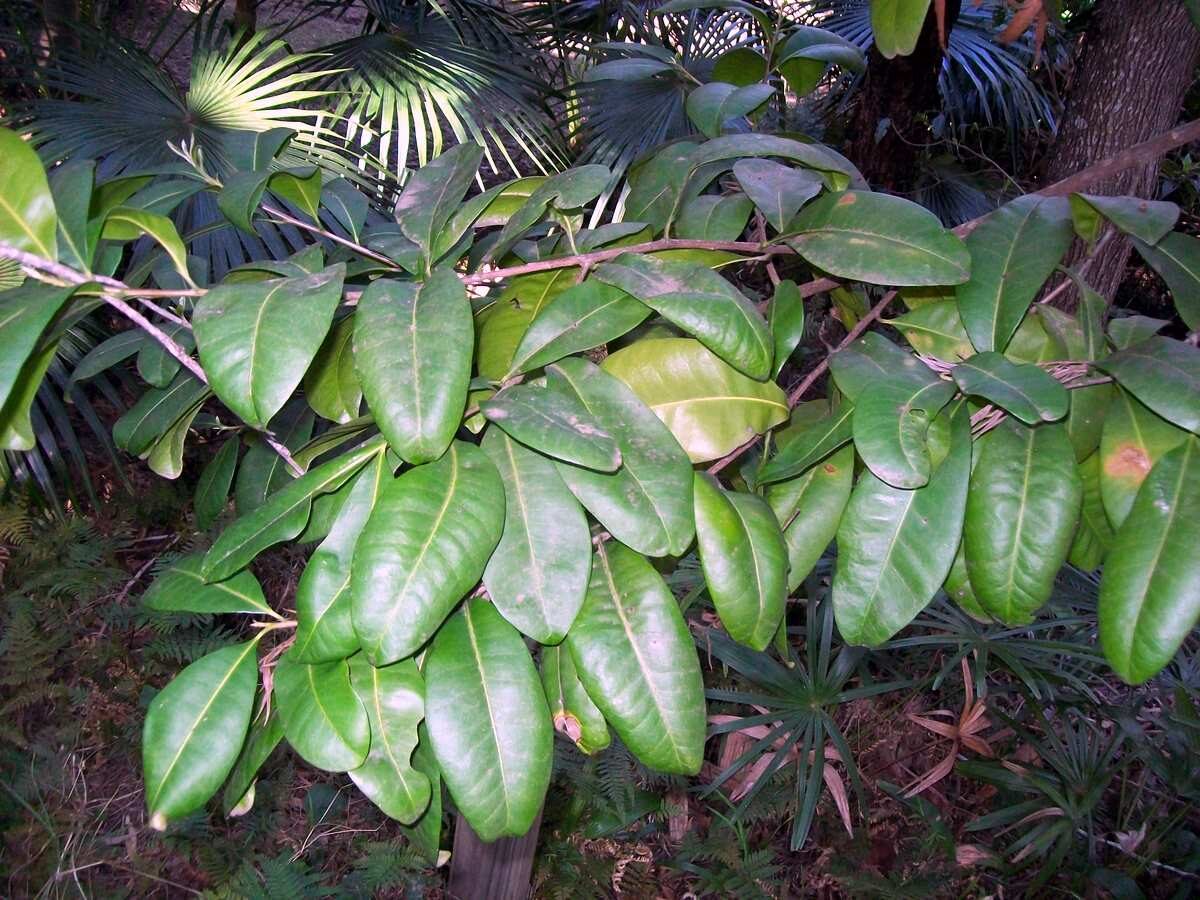
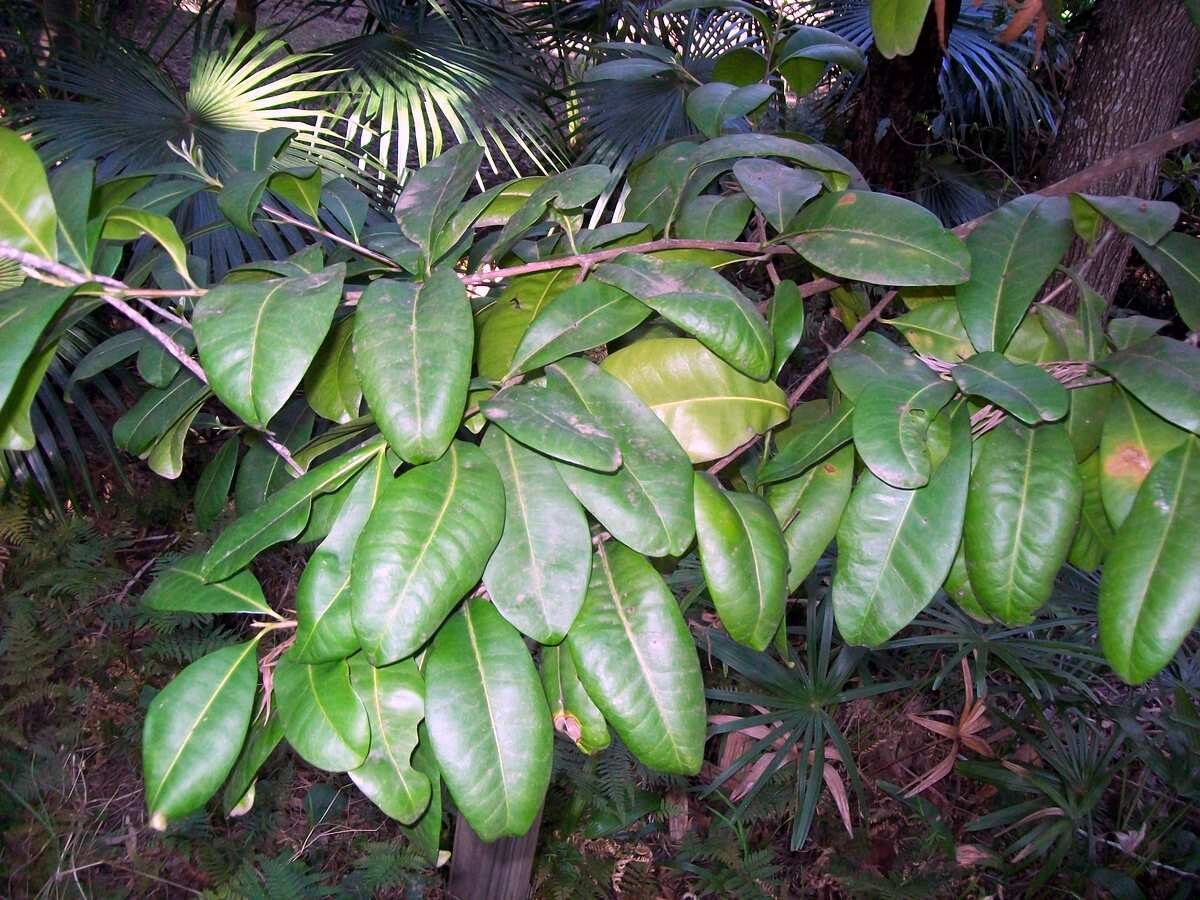
Mimusops andongensis
Hiern.
iNaturalist· cc-by-nc-sa
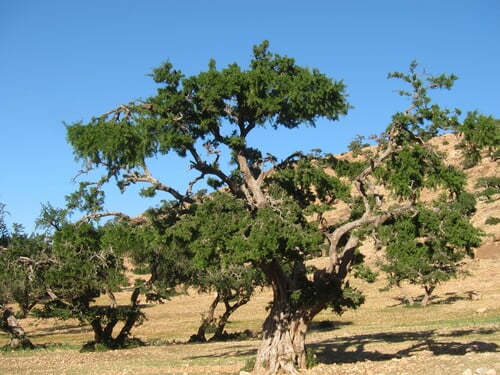
(c) Marco Schmidt, some rights reserved (CC BY-NC-SA), uploaded by Marco Schmidt
iNaturalist· cc-by-nc-sa
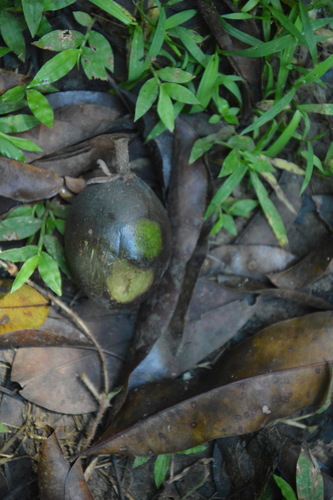
(c) Marco Schmidt, some rights reserved (CC BY-NC-SA), uploaded by Marco Schmidt
Description
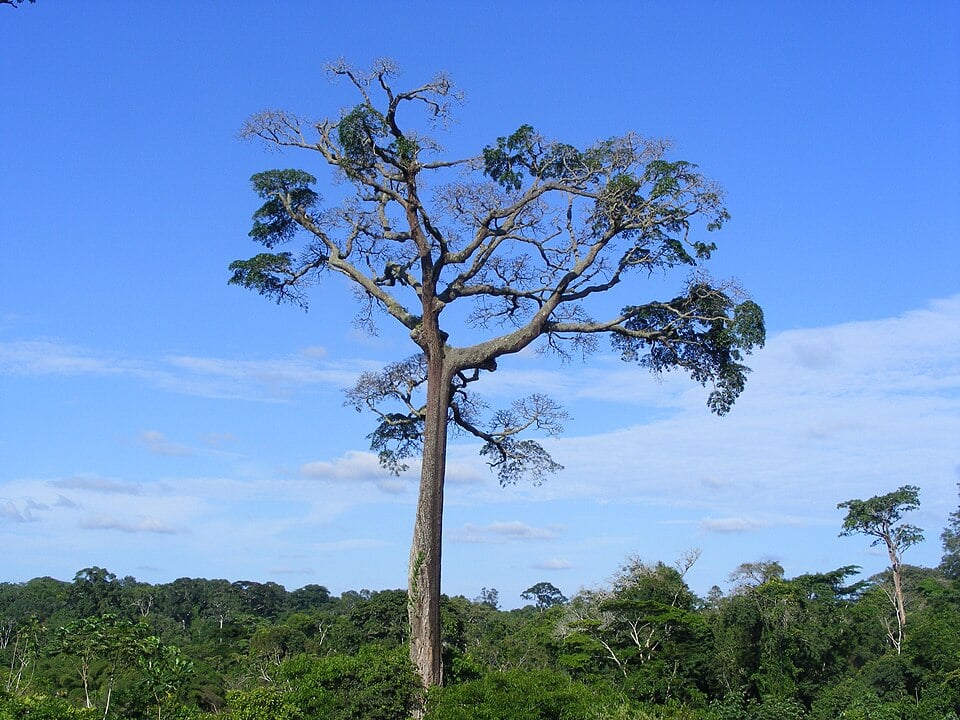
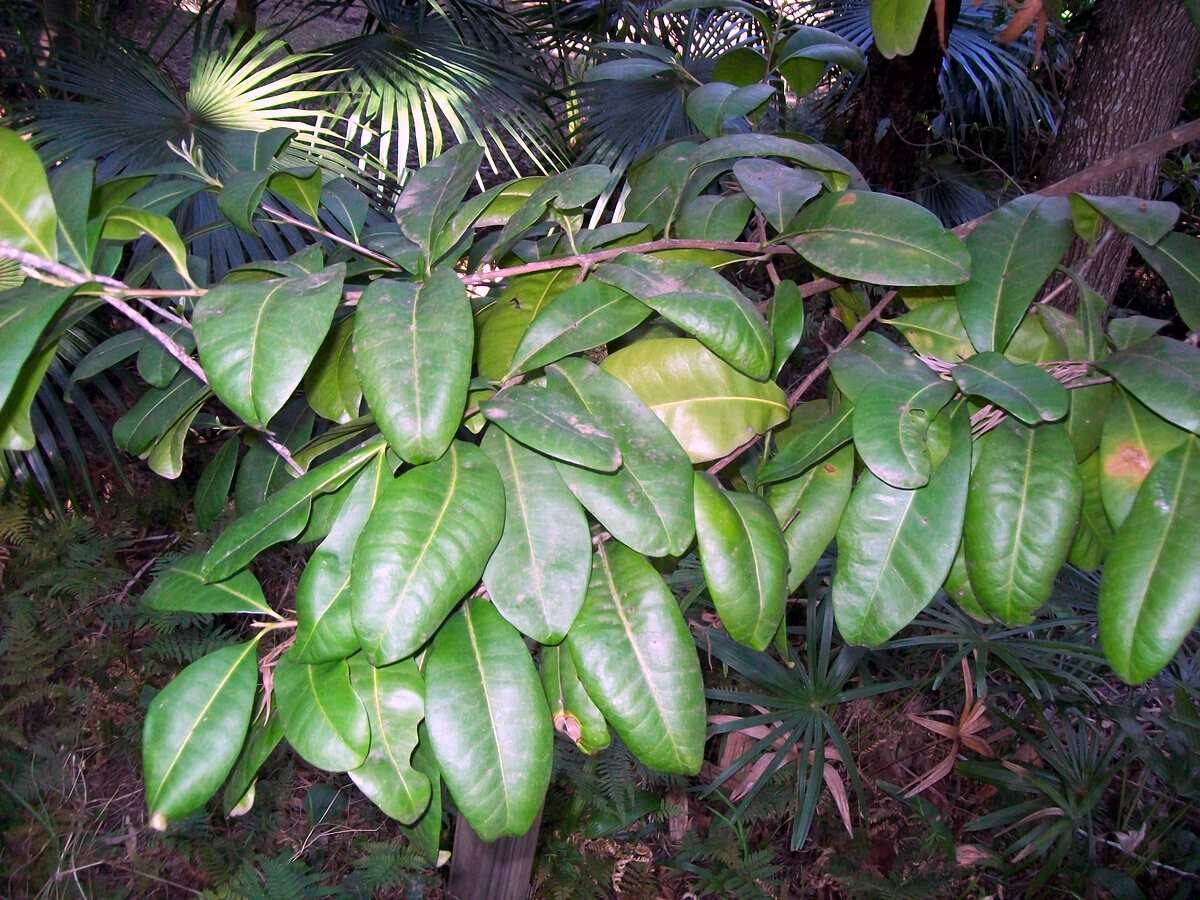
A tropical tree in the Sapotaceae family that grows up to 20 meters tall. It is found in gallery forests of the savannah, as well as on the edges of mangroves and along rivers.
Edible Uses
The fruit is used as a masticatory, and the bark is used as a flavoring for sauces and other dishes.
Traditional Uses
The bark is used to flavour sauces and other dishes.
This uses section is brief — help expand it
Medicinal Uses
The latex from the bark is used to treat malaria and as a penile stimulant.
Distribution
It is a tropical plant. It grows in gallery forest in the savannah. It can also be on the edge of mangroves and along rivers.
Where It Grows
Africa, Angola, Benin, Central Africa, Central African Republic, CAR, Congo DR, Côte d'Ivoire, Guinea, Guinée, Guinea-Bissau, Ivory Coast, Liberia, Nigeria, Senegal, Sierra Leone, Togo, West Africa,
Other Uses
The wood is very hard. It is valued locally (especially in Nigeria) for building purposes, making canoes, axe handles and for carving.
Notes
There are possibly 41 Mimusops species.
Synonyms
Also Known As
Afoutin, Boblofu, Egui-oche, Futchodoro, Ikabukabu, Oshe
References (7)
- Agbahoungba, S., et al, 2016, Ecological diversity and conservation of wild edible fruit trees species in the Lama Forest Reserve in Benin. Bois et Forets des Tropiques 2016, No. 329(3)
- Assogbadjo, A. E. et al, 2013, Specific Richness and Cultural Importance of Wild Edible Trees in Benin. Acta Hort. 979, ISHS 2013
- Boedecker, J., et al, 2014, Dietary contribution of Wild Edible Plants to women’s diets in the buffer zone around the Lama forest, Benin – an underutilized potential. Food Sec. 6:833–849
- Burkill, H. M., 1985, The useful plants of west tropical Africa, Vol. 5. Kew.
- Codjia, J. T. C., et al, 2003, Diversity and local valorisation of vegetal edible products in Benin. Cahiers Agricultures 12:1-12
Show all 7 references Hide references
- Sinasson, G. K., et al, 2017, Local Knowledge on the Uses, Habitat, and Change in Abundance of Multipurpose Mimusops Species in Benin. Economic Botany, XX(X), 2017, pp. 1–18
- World Checklist of Useful Plant Species 2020. Royal Botanic Gardens, Kew