Cymbopogon caesius subsp. giganteus
(Nees ex Hook. & Arn) Stapf, (Chiov.) Sales
Tsauri grass
iNaturalist· cc-by-nc
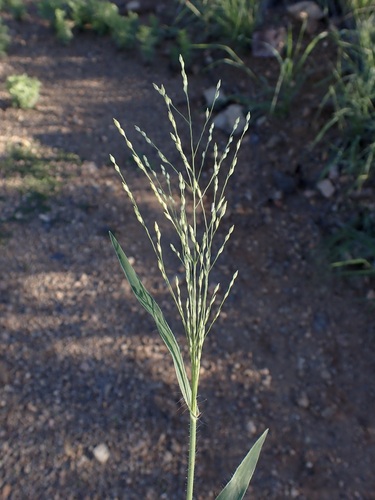
(c) Dewald du Plessis, some rights reserved (CC BY-NC), uploaded by Dewald du Plessis
iNaturalist· cc-by-nc
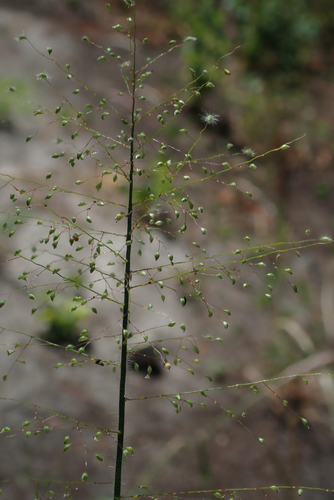
(c) nantyherizo, some rights reserved (CC BY-NC)
iNaturalist· cc-by-nc
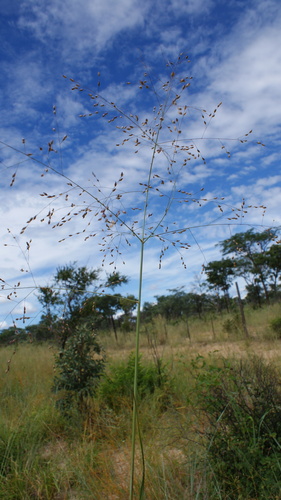
(c) themba_nsibande, some rights reserved (CC BY-NC), uploaded by themba_nsibande
Description
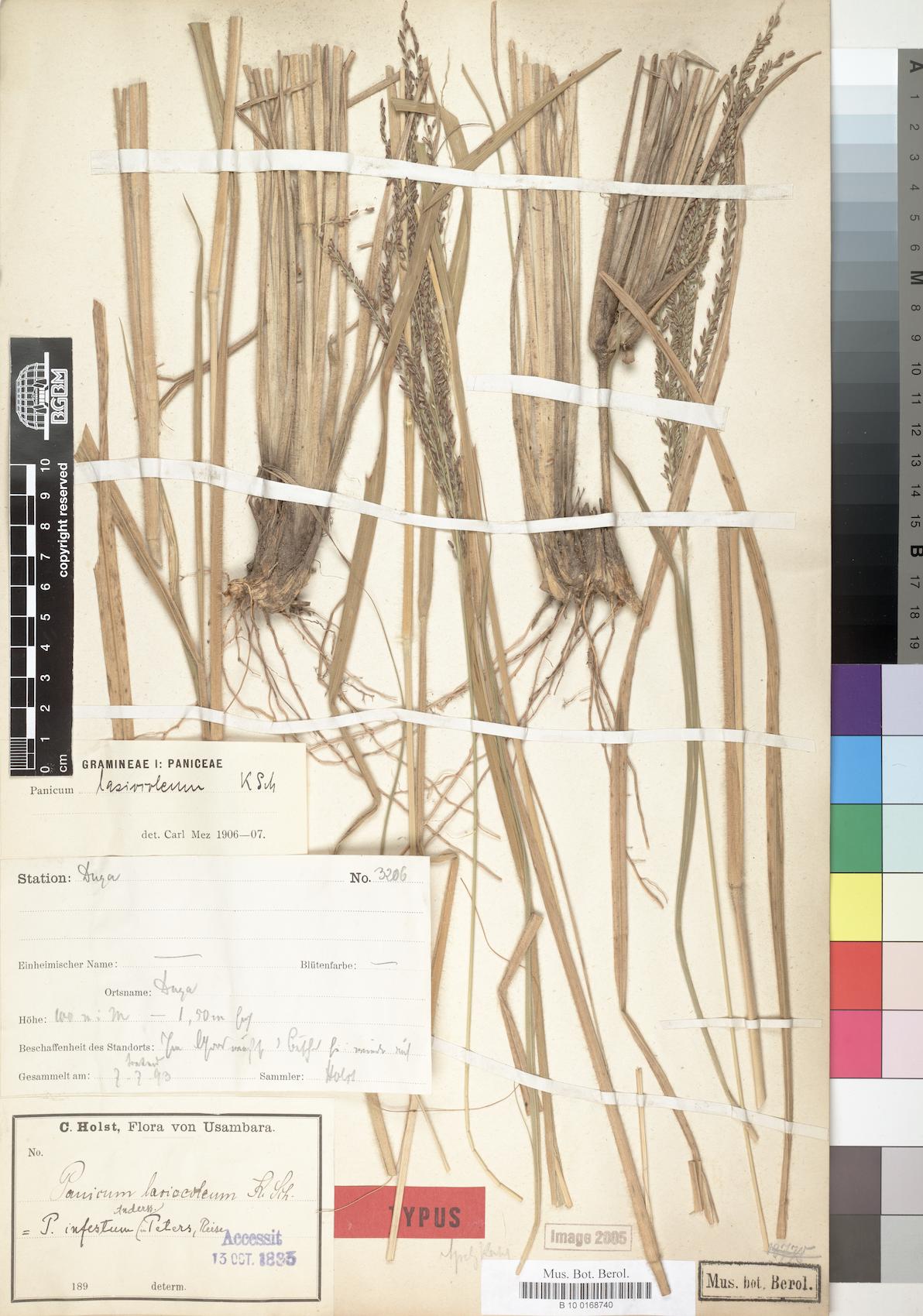
A grass. It forms loose tufts. It grows 2.5 m high. A grass. It has underground stems or rhizomes. It keeps growing from year to year. It grows 3 m high. The leaves have a lemon like smell when crushed.
Edible Uses
The leaves are used as a flavouring and in sauces.
Traditional Uses
The leaves are used for flavouring and in sauces.
This uses section is brief — help expand it
Distribution
It is a tropical plant. It grows in grassland and savannah between 50-1,550 m above sea level. It grows in sandy coastal regions. It can grow in some shade but is best in full sun. It can grow in arid places.
Where It Grows
Africa, Angola, Benin, Botswana, Burkina Faso, Central Africa, Chad, Congo, Côte d'Ivoire, East Africa, Ethiopia, Gambia, Ghana, Guinea, Guinée, Guinea-Bissau, Ghana, Ivory Coast, Kenya, Malawi, Mali, Mauritania, Mozambique, Niger, Nigeria, Sahel, Senegal, Sierra Leone, Southern Africa, Sudan, Tanzania, Togo, Uganda, West Africa, Zambia, Zimbabwe,
Synonyms
Also Known As
Calim, Kumbetu-de-fula, Ompa
References (4)
- Burkill, H. M., 1985, The useful plants of west tropical Africa, Vol. 2. Kew.
- Grivetti, L. E., 1980, Agricultural development: present and potential role of edible wild plants. Part 2: Sub-Saharan Africa, Report to the Department of State Agency for International Development. p 30 (As Cymbopogon giganteus)
- Lulekal, E., et al, 2011, Wild edible plants in Ethiopia: a review on their potential to combat food insecurity. Afrika Focus - Vol. 24, No 2. pp 71-121 (As Cymbopogon caesius)
- Royal Botanic Gardens, Kew (1999). Survey of Economic Plants for Arid and Semi-Arid Lands (SEPASAL) database. Published on the Internet; http://www.rbgkew.org.uk/ceb/sepasal/internet [Accessed 8th May 2011] (As Cymbopogon giganteus)