Barteria fistulosa
Mast.
iNaturalist· cc-by-nc
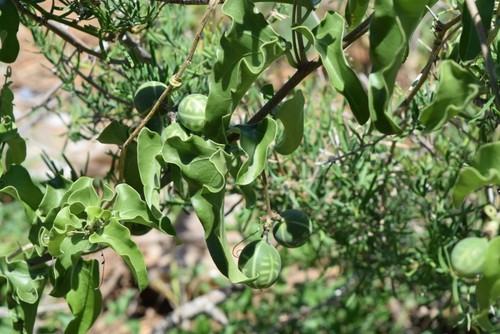
(c) Bart Wursten, some rights reserved (CC BY-NC), uploaded by Bart Wursten
iNaturalist· cc-by-nc
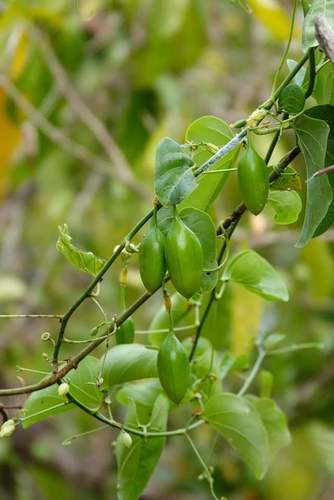
(c) frasergear, some rights reserved (CC BY-NC)
iNaturalist· cc-by-nc
(c) Bart Wursten, some rights reserved (CC BY-NC)
Summary
Source: WikipediaBarteria fistulosa is a species of tree in the family Passifloraceae, native to tropical Central Africa. The tree has an association with an aggressive species of ant with a very painful sting, which lives in its hollow branches and twigs, and gives rise to its common name of "ant tree".
Description
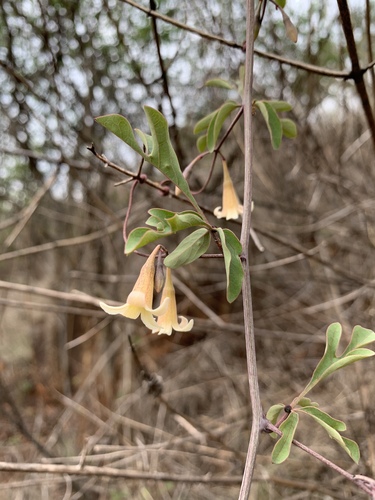
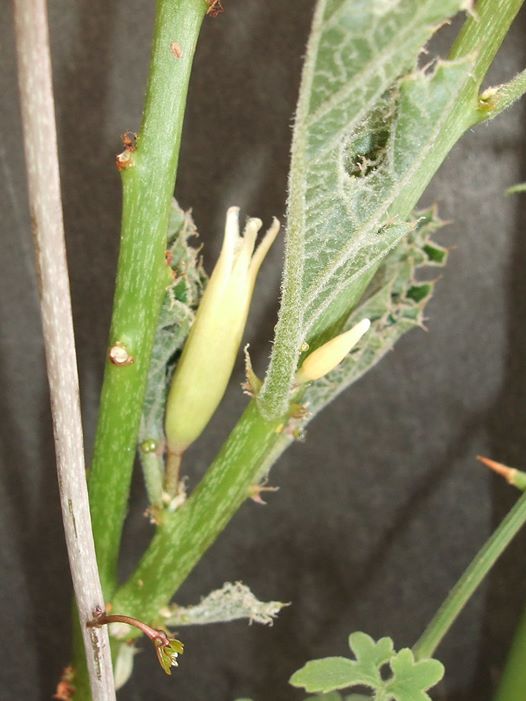
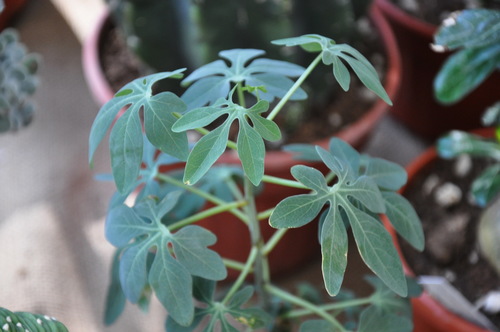
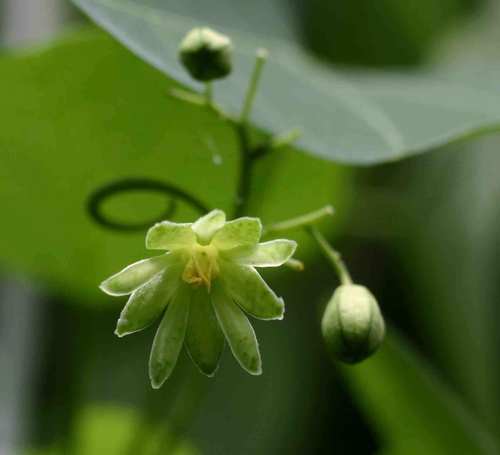
A slender tree. It grows 15 m tall. The leaves have a notch at the tip. The flowers are a ring of five in the axils of leaves.
This description is brief — help expand it
Edible Uses
The leaves and fruit are eaten as vegetables. Ant larvae inhabiting the hollow stems are cooked and eaten.
Medicinal Uses
Several parts of this tree are used in traditional medicine; the roots, bark and leaves are used to reduce fevers and pains; a decoction of the bark has various uses and the sap helps with the healing of wounds; some parts of the tree are used against snake bites and epilepsy; and the young shoots are thought to have aphrodisiac properties.
Known Hazards
The branches become hollow and cylindrical, and are inhabited by large, aggressive, stinging ants
Distribution
It is a tropical plant. It grows in forest openings and secondary jungle in West Africa.
Where It Grows
Africa, Cameroon, Central Africa, Congo DR, Congo R, East Africa, Gabon, Nigeria, Tanzania, West Africa,
Cultivation
Seedlings occur in heavy shade and produce their first hollow, horizontal branches when 100 - 150cm tall; these are colonized by aggressive, stinging ants. In Nigeria the tree begins to fruit when more than 8 metres tall (more than 10 years old). The growth rate is 50 - 100cm per year, and the tree dies after 15 - 30 reproductive seasons, at which time the crown is high enough to be exposed to broken sunlight.
Notes
Ant larvae in the hollow stems are cooked and eaten.
Synonyms
Also Known As
Bulembo
References (4)
- Burkill, H. M., 1985, The useful plants of west tropical Africa, Vol. 4. Kew.
- Grubben, G. J. H. and Denton, O. A. (eds), 2004, Plant Resources of Tropical Africa 2. Vegetables. PROTA, Wageningen, Netherlands. p 560
- Terashima, H., et al, 1992, Ethnobotany of the Lega in the Tropical Rainforest of Eastern Zaire (Congo): Part Two, Zone de Walikale, African Study Monographs, Suppl. 19:1-60
- World Checklist of Useful Plant Species 2020. Royal Botanic Gardens, Kew