Passiflora foetida var. hispida
(DC. ex triana & Planch.) Killip
Aild passionfower
gbif· cc0
Conveyor Belt
gbif· cc0
Laura Tancredi
gbif· cc-by
GBIF
Summary
Source: WikipediaPassiflora foetida (common names: stinking passionflower, wild maracuja, bush passion fruit, wild water lemon, stoneflower, love-in-a-mist, or running pop) is a species of passion flower that is native to the southwestern United States (southern Texas and Arizona), Mexico, the Caribbean, Central America, and much of South America. It has been introduced to tropical regions around the world, such as Southeast Asia, South Asia, Hawaii, Africa, and The Maldives. It is a creeping vine like other members of the genus, and yields an edible fruit. The specific epithet, foetida, means "stinking" in Latin and refers to the strong aroma emitted by damaged foliage. This passion flower tolerates arid ground, but favours moist areas. It is known to be an invasive species in some areas. This plant is also a widely grown perennial climber, and has been used in traditional medicine.
Description
A vine. It is scrambling and twining. The flower bracts can have a red tinge. The fruit are yellow to orange with green lines.
This description is brief — help expand it
Edible Uses
The fruit is eaten, particularly by children.
Medicinal Uses
The fruits are roughly the size of a ping pong ball or kumquat and contain a bluish-white pulp that is mildly sweet and delicately flavored. In the Philippines, the fruit of Passiflora foetida are known colloquially as marya-marya ('Little Mary'), balabalecua (in kapampangan), kurombot, utot-utot, and santo papa (due to its resemblance to the Pope's mitre). Young leaves and plant tips are also edible. Dry leaves are used in tea in Vietnamese folk medicine to relieve sleeping problems, as well as treatment for itching and coughs.
Distribution
It is a tropical plant. It grows from sea level to 200 m above sea level.
Where It Grows
Australia, Brazil, Chuuk, Fiji, FSM, Guyana, Kiribati, Mariana Islands, Nauru, Pacific, South America,
Other Information
The fruit are eaten by children.
Synonyms
Also Known As
Baby semitoo, Loliloli ni kalavo, Maracuja-do-mato, Merehkuyu, Mis mis, Nuno inyeropo, Oatamo, Pwompwom, Semetho, Sou, Te biku, Watamo, Wild semitoo
References (5)
- Bortolotto, I. M., et al, 2018, Lista preliminar das plantas alimenticias nativas de Mato Grosso do Sul, Brasil. Iheringia, Serie Botanica, Porto Alegre, 73 (supl.):101-116
- Maas, P.J. M., Non-Timber Forest Products of the North-West District of Guyana Part 2. The 85 most important NTFP species. p 174
- Stone, B.,
- Thaman, R. R., 1987, Plants of Kiribati: A listing and analysis of vernacular names. Atoll Research Bulletin No. 296
- Vigilante, T., et al, 2013, Island country: Aboriginal connections, values and knowledge of the Western Kimberley islands in the context of an island biological survey. Records of the Western Australian Museum Supplement 81: 145-182
More from Passifloraceae
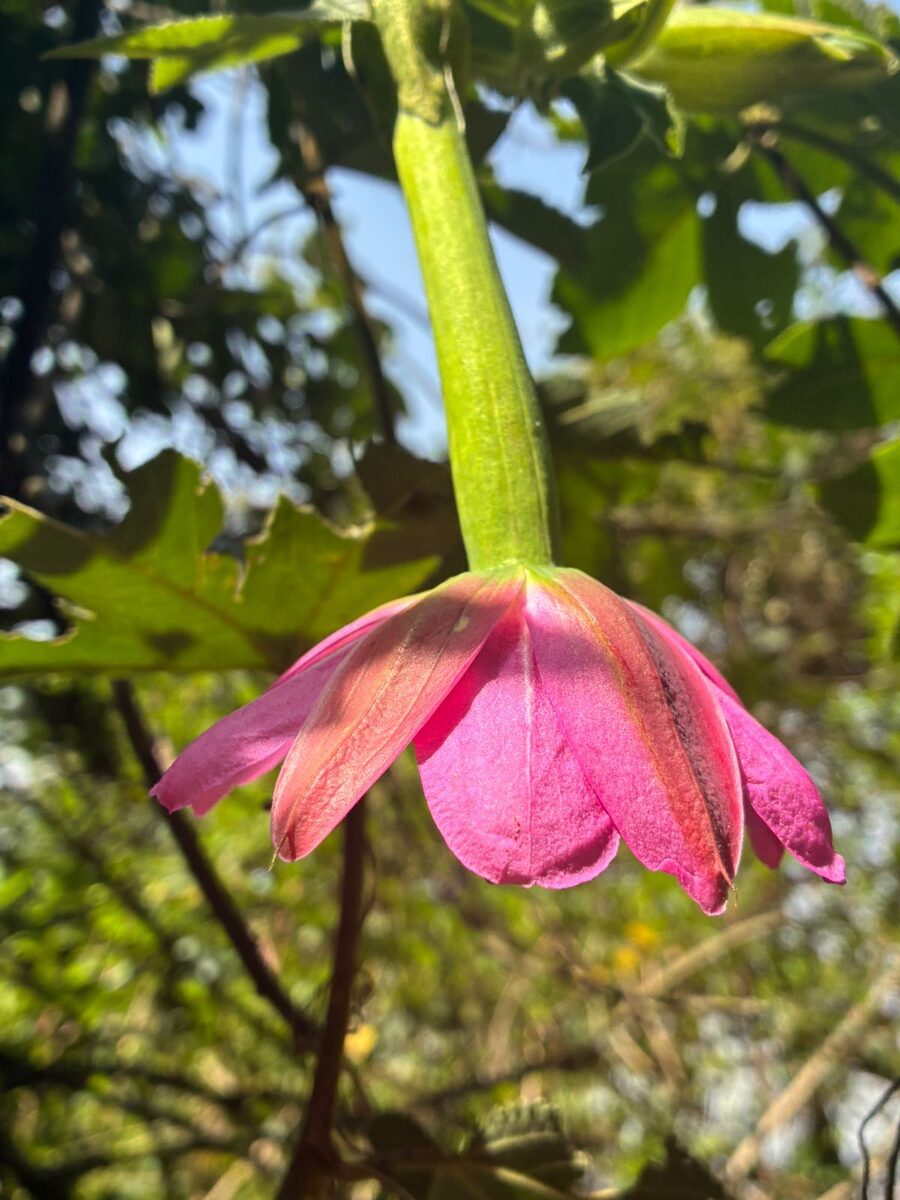
Passiflora tripartita mollissima - (Kunth) Holm
Banana Passionfruit
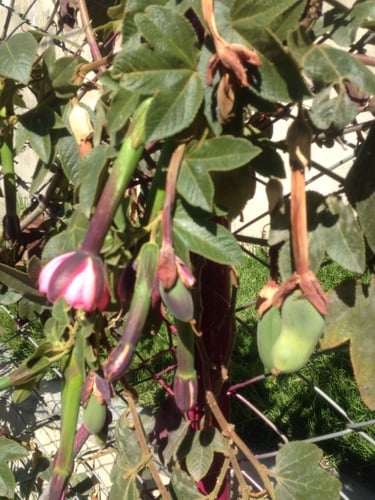
Passiflora tripartita var. azuayensis
Mango passionfruit
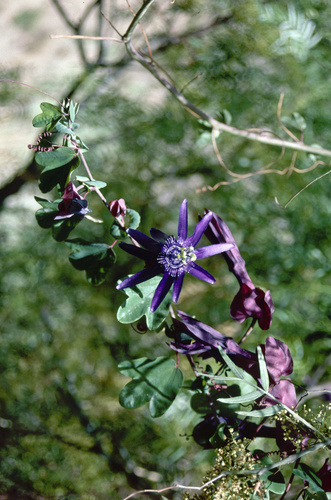
Passiflora umbilicata
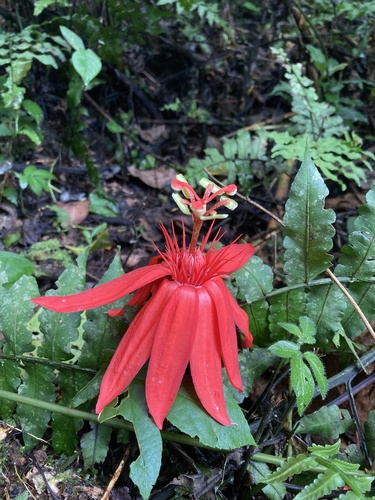
Passiflora vitifolia
Grape-leaved passionfruit, Scarlet passion-flower
Passiflora x colvillii
Passion Flower, Colinvaux's Passion Flower
Passiflora x decaisneana