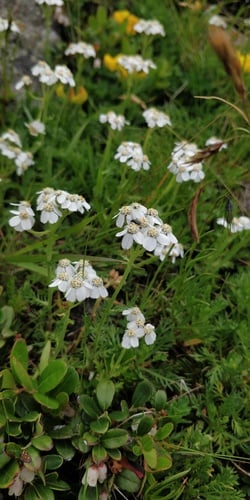
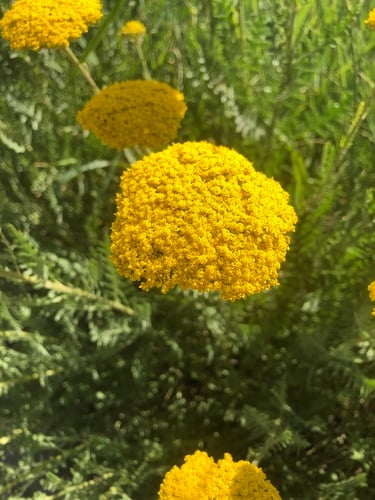
Hilliardiella oligocephala
(DC.) H. Rob.
Bicolored-leaved vernonia, Silver leaved vernonia
iNaturalist· cc-by-nc
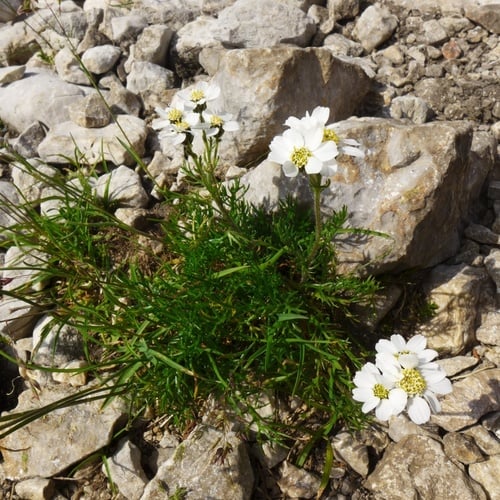
(c) Errol Douwes, some rights reserved (CC BY-NC), uploaded by Errol Douwes
iNaturalist· cc-by-nc
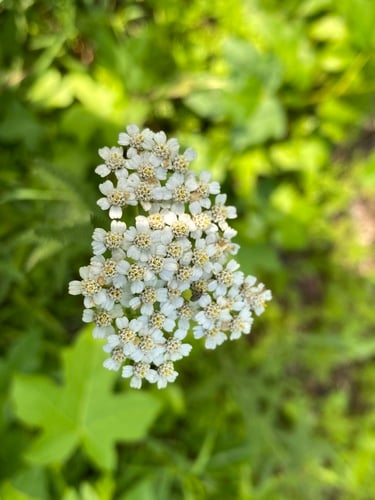
(c) Troos van der Merwe, some rights reserved (CC BY-NC)
iNaturalist· cc-by-nc
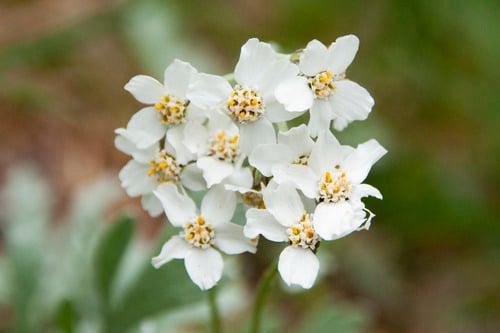
(c) Troos van der Merwe, some rights reserved (CC BY-NC)
Description
A tufted herb. It grows from a woody rootstock. It grows 30-80 cm tall. It has a silvery grey coating. It produces stems each year. There are many stems. There are many leaves 4 cm long by 2 cm wide. The are oval or sword shaped. The leaves end abruptly in a sharp point. The upper surface is green and the lower surface is silvery grey. The flowers are funnel shaped and purple. The fruit are dry and one seeded.
Edible Uses
The leaves are eaten as a vegetable and made into a tea-like drink.
Traditional Uses
The leaves are used to make a tea like drink. They are also eaten as a vegetable.
This uses section is brief — help expand it
Medicinal Uses
The leaves are used traditionally to prepare a tea-like drink.
Distribution
It is a tropical plant. It is a plant that has adapted to tolerate fire in grassland. It grows in hot arid places. It grows between 15-2,340 m above sea level. It can grow again after fire. It can grow in arid places.
Where It Grows
Africa, Botswana, Central Africa, Congo, East Africa, Eswatini, Lesotho, Mozambique, Namibia, South Africa, Southern Africa, Swaziland, Tanzania, Zambia, Zimbabwe,
Synonyms
Also Known As
Ihlambihloshane, Mofolostane, Uhlunguhloshana
References (7)
- Flora Zambesiaca. http://apps.kew.org/efloras (As Vernonia oligocephala)
- Fowler, D. G., 2007, Zambian Plants: Their Vernacular Names and Uses. Kew. p 77 (As Vernonia oligocephala)
- Fox, F. W. & Young, M. E. N., 1982, Food from the Veld. Delta Books. p 128 (As Vernonia oligocephala)
- Long, C., 2005, Swaziland's Flora - siSwati names and Uses http://www.sntc.org.sz/flora/ (As Vernonia oligocephala)
- Royal Botanic Gardens, Kew (1999). Survey of Economic Plants for Arid and Semi-Arid Lands (SEPASAL) database. Published on the Internet; http://www.rbgkew.org.uk/ceb/sepasal/internet [Accessed 14th April 2011] (As Vernonia oligocephala)
Show all 7 references Hide references
- Ruiters-Welcome, A. K., 2019, Food plants of southern Africa. Ph.D. thesis. Univ. of Johannesburg p 35
- World Checklist of Useful Plant Species 2020. Royal Botanic Gardens, Kew