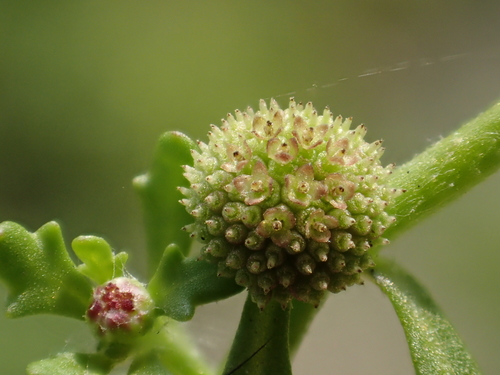
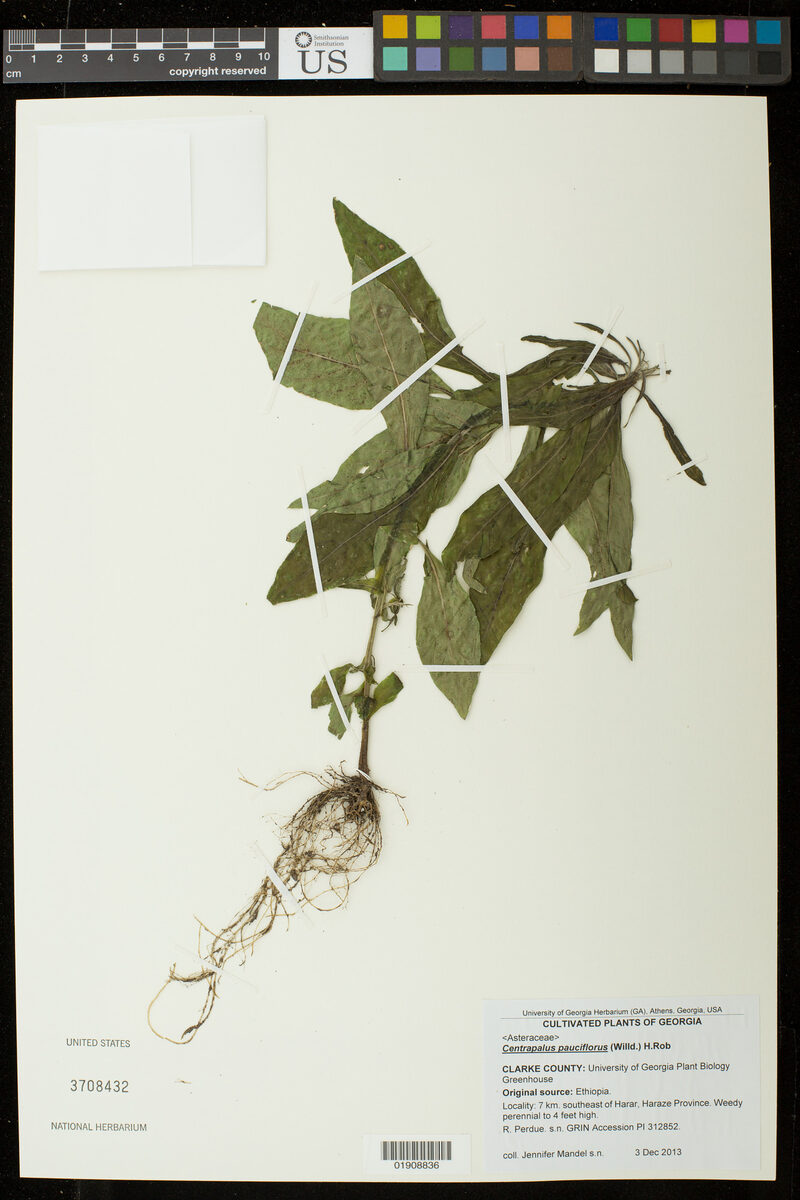
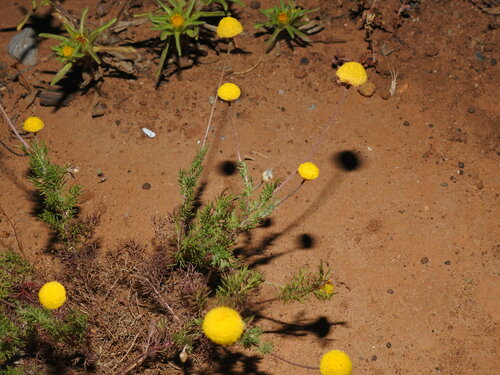
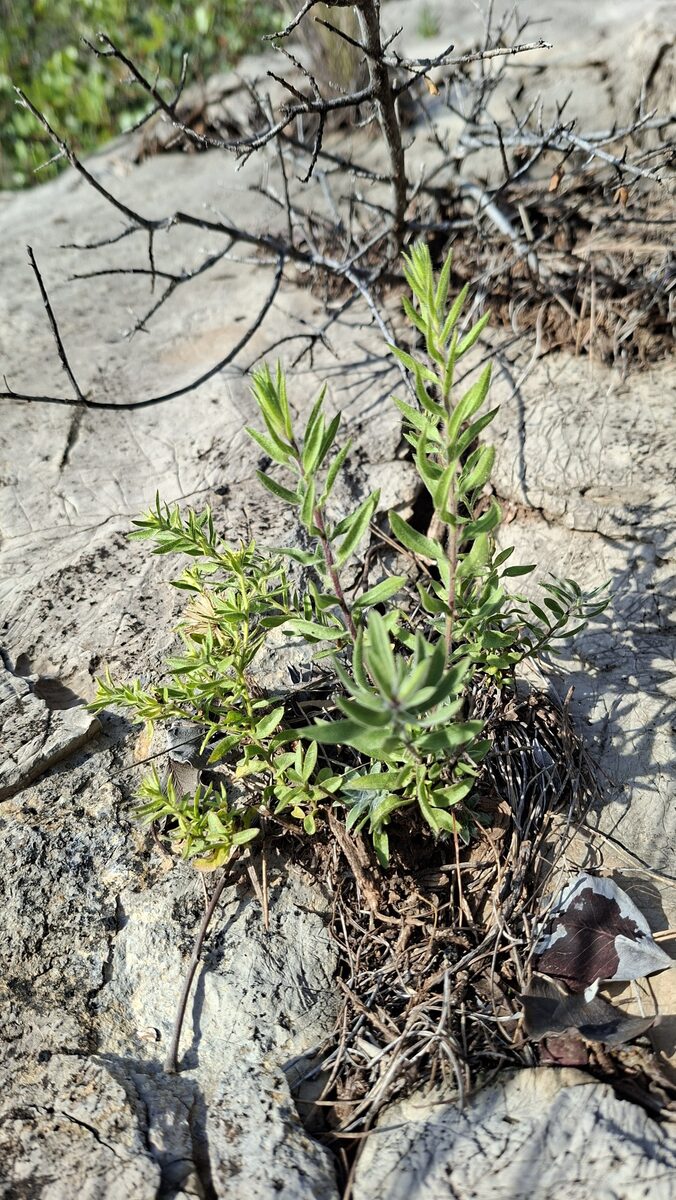
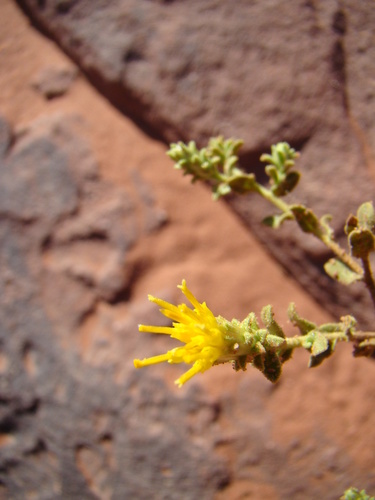
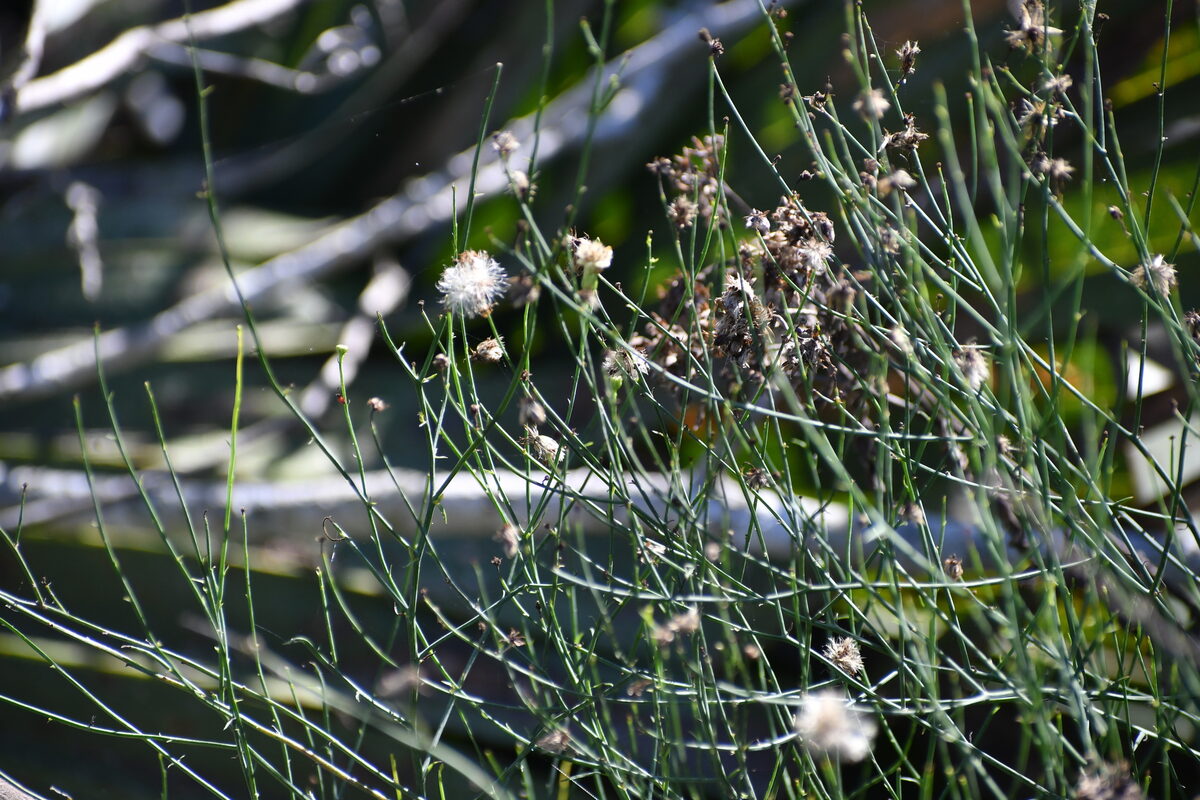
Achillea borealis
Bong.
Milfoil
iNaturalist· cc0
no rights reserved, uploaded by Alan Weakley
iNaturalist· cc-by-nc
(c) jonathannorwood, some rights reserved (CC BY-NC)
iNaturalist· cc-by
(c) Ed Alverson, some rights reserved (CC BY), uploaded by Ed Alverson
Description
A shrub or small tree. It grows 5 m tall. There are prickles along the stem. The leaves are twice divided and there are 8-18 pairs of pinnae. There are up to 50 pairs of pinnules on each pinnae. The flowers are yellow. They are in large clusters at the ends of branches. The pods are flattened.
Edible Uses
The flowers are used in herbal teas and lemonade, and can also be fried in butter and sprinkled with sugar or orange juice. The leaves are used for tea.
Traditional Uses
The flowers are used in herbal teas and lemonade. They are also fried in butter and sprinkled with sugar or orange juice.
This uses section is brief — help expand it
Medicinal Uses
A. millefolium was used in traditional medicine, in part due to its astringent properties and the mild laxative effect of its leaves. It was used in ancient times to heal wounds and stop bleeding, and in the 16th century, the crushed leaves were used to stop nosebleeds. North American varieties were traditionally used by many Native American nations. The Navajo considered it a "life medicine" and chewed the plant for toothaches and used its infusions for earaches. The Miwok in California used the plant as an analgesic and head cold remedy. Native American nations used the plant for healing cuts and abrasions, relief from earaches and throat infections, as well as for an eyewash. Yarrow was used by Plains indigenous peoples to reduce pain or fever and aid sleep. Some Ojibwe people used a decoction of yarrow leaves on hot stones and inhaled it to treat headaches, or applied decoctions of the root onto skin for its stimulating effect.
Known Hazards
Yarrow can cause allergic skin rashes. According to the American Society for the Prevention of Cruelty to Animals, yarrow is toxic to dogs, cats, and horses, causing increased urination, vomiting, diarrhea and dermatitis. When consumed by cows, an unfavorable flavor is given to their milk.
Distribution
It is a temperate plant.
Where It Grows
Alaska, North America, USA,
Notes
There are about 85-100 Achillea species. They are temperate in Europe and Asia.
References (2)
- Holloway, P. S. & Alexander, G., 1990, Ethnobotany of the Fort Yukon Region, Alaska. Economic Botany, Vol. 44, No. 2 pp. 214-225
- Lim, T. K., Edible Medicinal and Non-Medicinal Plants Volume 7 Flowers