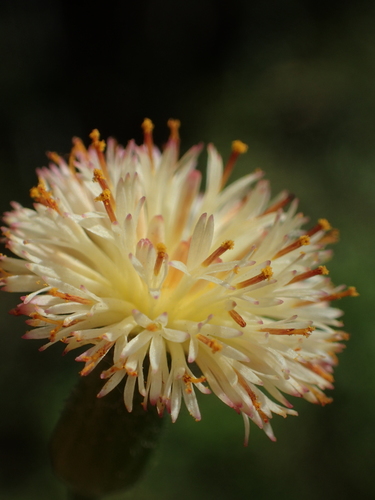
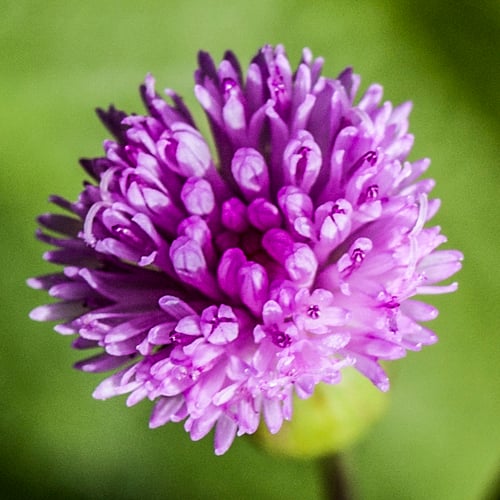
Achillea erba-rotta subsp. moschata
(Wulfen) I. Richardson
Musk yarrow, Alpine yarrow
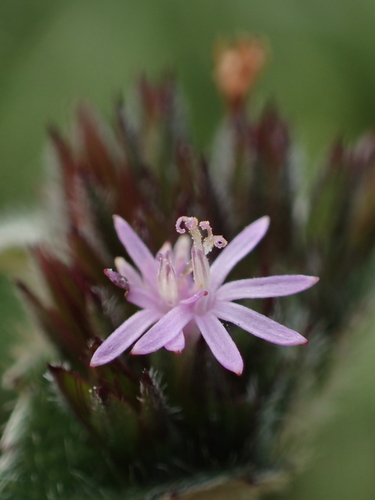
iNaturalist· cc-by-nc
(c) dgcurrywheel, some rights reserved (CC BY-NC)
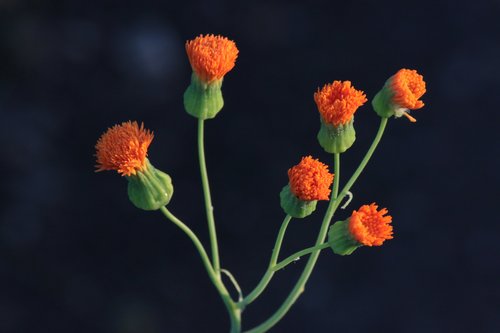
iNaturalist· cc-by-nc
(c) dgcurrywheel, some rights reserved (CC BY-NC)
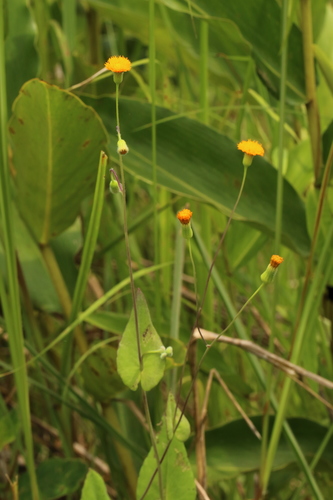
iNaturalist· cc-by-nc
(c) dgcurrywheel, some rights reserved (CC BY-NC)
Summary
Source: WikipediaAchillea erba-rotta, common name simple leaved milfoil, is a perennial flowering plant of the genus Achillea, belonging to the sunflower family.
Description
A shrub or small tree. It grows 5 m tall. There are prickles along the stem. The leaves are twice divided and there are 8-18 pairs of pinnae. There are up to 50 pairs of pinnules on each pinnae. The flowers are yellow. They are in large clusters at the ends of branches. The pods are flattened.
Edible Uses
The leaves are used to flavour liqueurs and brewed as tea, and can be used as a culinary spice.
Traditional Uses
The leaves are used to flavour liqueurs. They are also used for teas.
This uses section is brief — help expand it
Distribution
It is a temperate plant It needs a sunny position but can tolerate frost. It suits USDA hardiness zone 6.
Where It Grows
Alps, Austria, Europe, France, Italy, Mediterranean, Slovenia, Switzerland,
Notes
There are about 85-100 Achillea species. They are temperate in Europe and Asia.
Synonyms
Also Known As
Genipi, Genepi blanc, Iva, Zahodnoalpski rman
References (8)
- Abbet, C., et al, 2014, Ethnobotanical survey on wild alpine food plants in Lower and Central Valais (Switzerland). Journal of Ethnopharmacology 151 (2014) 624–634 (As Achillea moschata)
- Bircher, A. G. & Bircher, W. H., 2000, Encyclopedia of Fruit Trees and Edible Flowering Plants in Egypt and the Subtropics. AUC Press. p 6 (As Achillea moschata)
- Bot. J. Linn. Soc. 71:271. 1976
- Facciola, S., 1998, Cornucopia 2: a Source Book of Edible Plants. Kampong Publications, p 32
- Seidemann J., 2005, World Spice Plants. Economic Usage, Botany, Taxonomy. Springer. p 3
Show all 8 references Hide references
- Tanaka,
- Uphof,
- Wiersema, J. H. & Leon, B., 2013, World Economic Plants. A Standard Reference CRC Press. 2nd Ed. p 11