Schkuhria pinnata
(Lam.) Kuntze ex Thell.
Dwarf marigold, Pinnate false threadleaf
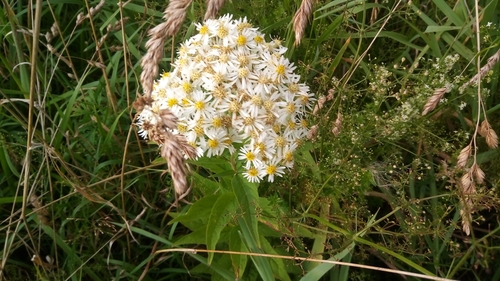
iNaturalist· cc-by
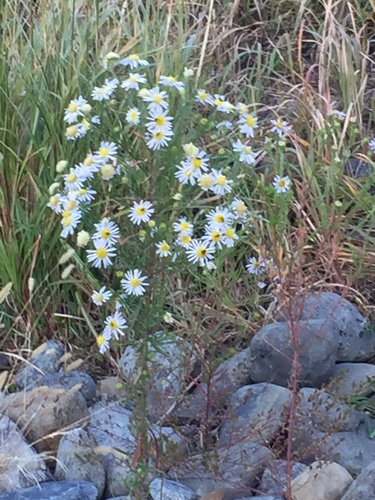
(c) José Belem Hernández Díaz, some rights reserved (CC BY), uploaded by José Belem Hernández Díaz
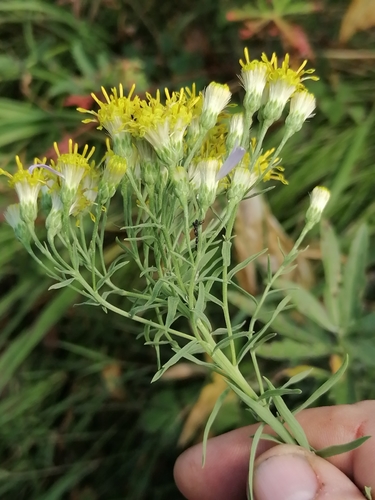
iNaturalist· cc-by-nc
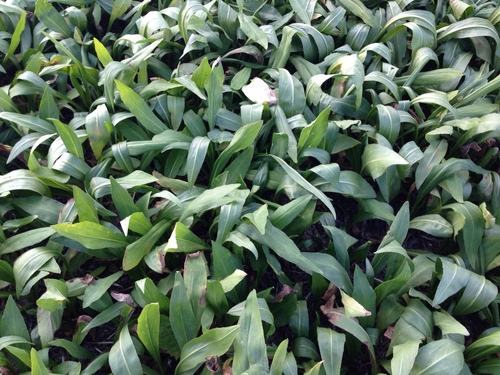
(c) Dayan Romero, some rights reserved (CC BY-NC), uploaded by Dayan Romero
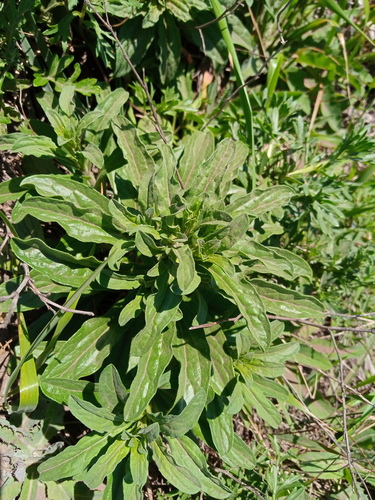
iNaturalist· cc-by-nc-sa
(c) Tony Rodd, some rights reserved (CC BY-NC-SA)
Summary
Source: WikipediaSchkuhria pinnata, the canchalagua or dwarf Mexican marigold, is a small, dainty, pioneer annual herb of the family Asteraceae and widespread in the tropics. It is regarded as a naturalised weed with low ecological impact.
Description
An annual herb. It can grow 60 cm high. The leaves are alternate and have leaflets along the stalk. The flowers are in heads in loose groups. They are yellow. The fruit have 4-5 angles.
Edible Uses
The leaves are used as a vegetable.
Traditional Uses
The leaves are used as a vegetable.
This uses section is brief — help expand it
Medicinal Uses
The Ketchwa indigenous people of the Andes have traditionally used this plant to treat a large number of conditions and ailments - they have used it as a bactericide in open wounds, to treat acne, malaria and inflammation, and as a blood purifier and diuretic. The plant can also be used as an abortifacients by inserting the root or infusing the whole plant and taking it orally. Schkuhria pinnata exhibited high antibacterial activity while in an anti-inflammatory assay dichloromethane extracts from its shoots selectively inhibited COX-1.
Distribution
It is a tropical plant. It grows between 5-2,125 m above sea level. It can grow in arid places.
Where It Grows
Africa, Andes, Argentina, Bolivia, Botswana, East Africa, Eswatini, Ethiopia, Kenya, Lesotho, Mozambique, North America, Paraguay, South Africa, Southern Africa, South America*, Swaziland, Tanzania, Uganda, Uruguay, USA, Zimbabwe,
Synonyms
Also Known As
Kilorokwin, Ruhwahwa
References (9)
- Fox, F. W. & Young, M. E. N., 1982, Food from the Veld. Delta Books. p 128
- Long, C., 2005, Swaziland's Flora - siSwati names and Uses http://www.sntc.org.sz/flora/
- Masters, T., 2021, Traditional food plants of the upper Aswa River catchment of northern Uganda—a cultural crossroads. Journal of Ethnobiology and Ethnomedicine (2021) 17:24
- Royal Botanic Gardens, Kew (1999). Survey of Economic Plants for Arid and Semi-Arid Lands (SEPASAL) database. Published on the Internet; http://www.rbgkew.org.uk/ceb/sepasal/internet [Accessed 14th April 2011]
- Ruiters-Welcome, A. K., 2019, Food plants of southern Africa. Ph.D. thesis. Univ. of Johannesburg p 36
Show all 9 references Hide references
- Thomas, E., et al, 2008, The Relationship Between Plant Use and Plant Diversity in the Bolivian Andes, with Special Reference to Medicinal Plant Use. Hum Ecol (2008) 36:861–879
- Welcome, A. K. & Van Wyk, B.-E., 2019, An inventory and analysis of the food plants of southern Africa. South African Journal of Botany 122 (2019) 136–179
- World Checklist of Useful Plant Species 2020. Royal Botanic Gardens, Kew
- www.zimbabweflora.co.zw 2011