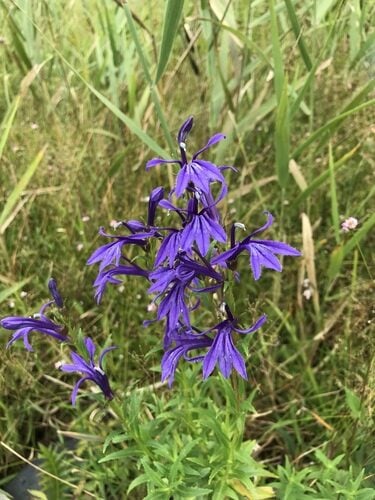
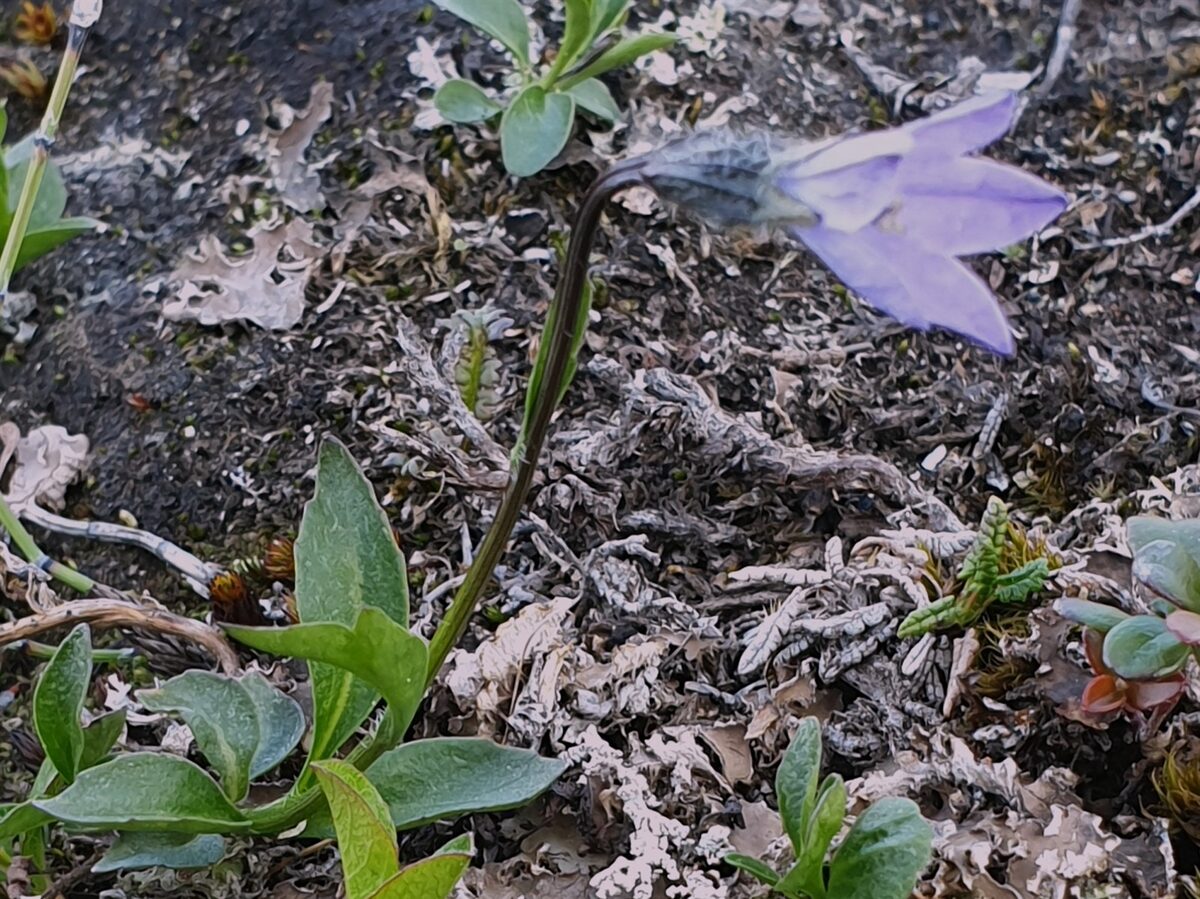
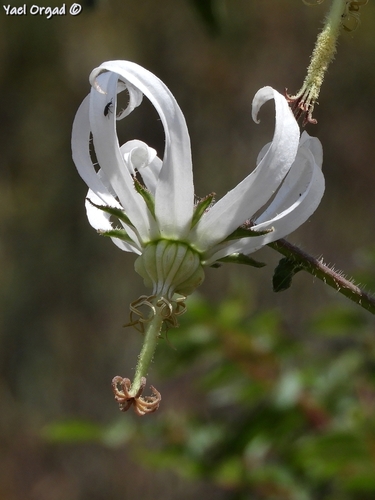
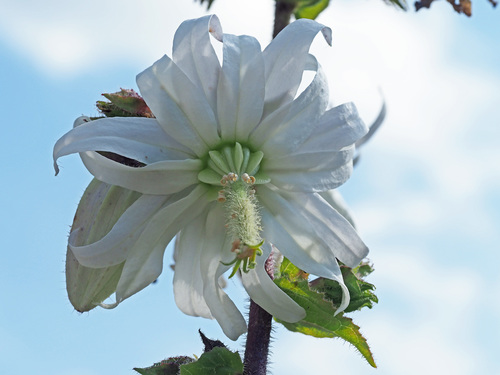
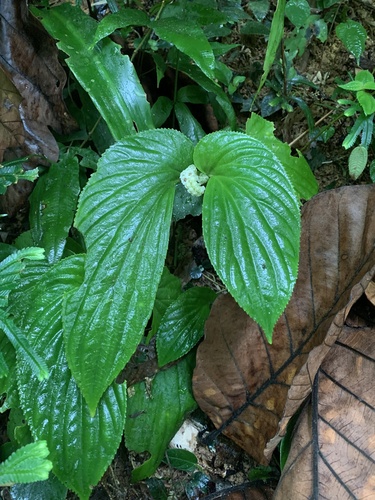
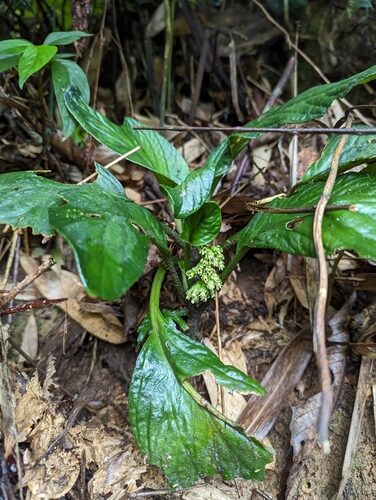
Lobelia flaccida
(C. Presl.) A. DC.
Wild lobelia
iNaturalist· cc0
no rights reserved, uploaded by Peter Warren
iNaturalist· cc-by-nc
(c) Sandra Falanga, some rights reserved (CC BY-NC)
iNaturalist· cc-by
(c) Alexis Tinker-Tsavalas, some rights reserved (CC BY), uploaded by Alexis Tinker-Tsavalas
Description
An erect herb. It grows 5-60 cm tall. It grows each year from seed or can last a few years. The stem is angular with narrow wings. The leaves are 2-7 cm long and about 1 cm wide. There can be teeth along the edge. The flowers are in loose groups and are white, mauve or blue. The fruit is a capsule 1.5 mm long.
Edible Uses
The plant is eaten as a vegetable, with the leaves being the edible portion.
Traditional Uses
The plant is eaten as a vegetable.
This uses section is brief — help expand it
Distribution
It is a subtropical plant.
Where It Grows
Africa, East Africa, Eswatini, South Africa, Southern Africa, Swaziland, Zimbabwe,
Notes
They have also been put in the family Lobeliaceae.
Synonyms
Also Known As
Isidala esiluhlaza
References (3)
- Long, C., 2005, Swaziland's Flora - siSwati names and Uses http://www.sntc.org.sz/flora/
- Ruiters-Welcome, A. K., 2019, Food plants of southern Africa. Ph.D. thesis. Univ. of Johannesburg p 73
- Welcome, A. K. & Van Wyk, B.-E., 2019, An inventory and analysis of the food plants of southern Africa. South African Journal of Botany 122 (2019) 136–179