Dicliptera clinopodia
Nees
iNaturalist· cc-by-sa
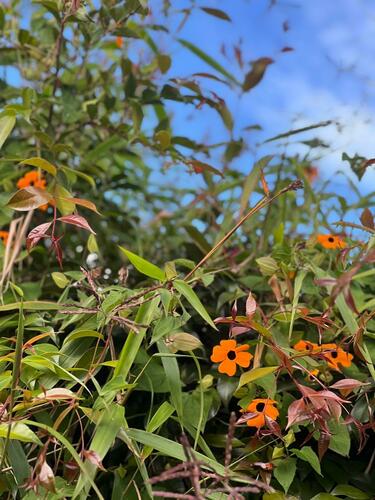
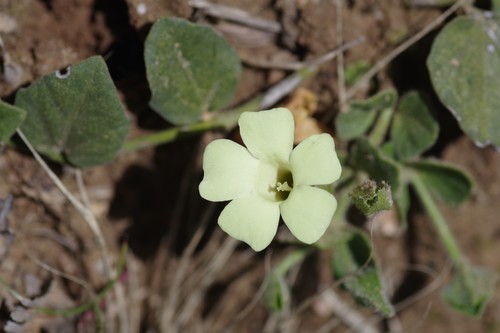
(c) Andrew Hankey, some rights reserved (CC BY-SA), uploaded by Andrew Hankey
iNaturalist· cc-by-nc
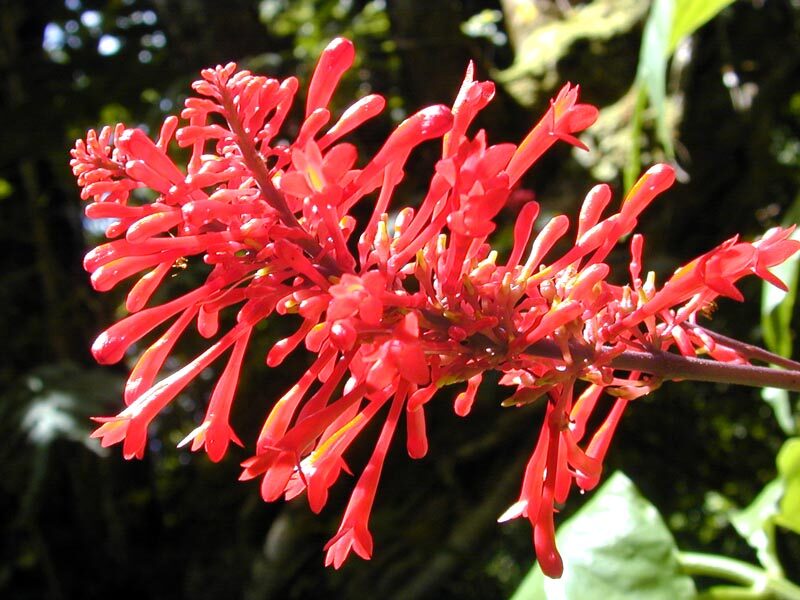
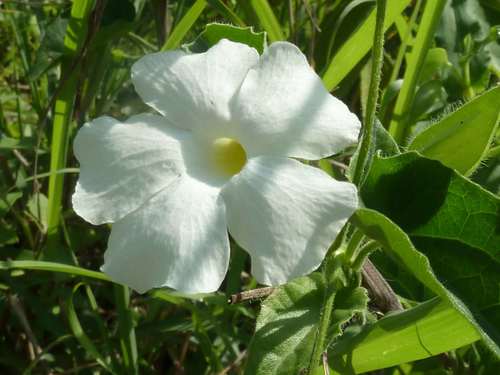
(c) Dewald du Plessis, some rights reserved (CC BY-NC)
iNaturalist· cc-by-nc
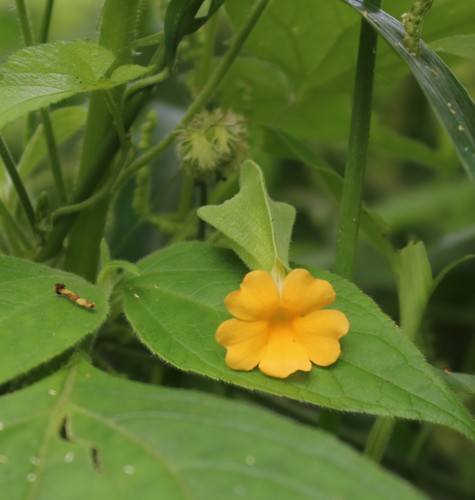
(c) Dewald du Plessis, some rights reserved (CC BY-NC)
Description
A herb or shrub. It grows 1 m tall. It keeps growing from year to year. The stems have grooves along them. The leaves are simple and alternate. The leaves are oval and hairy on both sides. The flowers are in dense groups at the top of the plant or in the axils of leaves. They are pale pink.
Edible Uses
The young leaves are cooked and eaten.
Traditional Uses
The young leaves are cooked and eaten.
This uses section is brief — help expand it
Distribution
It is a subtropical plant.
Where It Grows
Africa, Botswana, Eswatini, South Africa, Southern Africa*, Swaziland,
Synonyms
Also Known As
Lubikelashamba
References (6)
- Fox, F. W. & Young, M. E. N., 1982, Food from the Veld. Delta Books. p 67
- Long, C., 2005, Swaziland's Flora - siSwati names and Uses http://www.sntc.org.sz/flora/
- Magwede, K., van Wyk, B.-E., & van Wyk, A. E., 2019, An inventory of Vhavenḓa useful plants. South African Journal of Botany 122 (2019) 57–89
- Matlhare, T., et al, Vegetables in Botswana. p 21 Bioversity website.
- Plowes, N. J. & Taylor, F. W., 1997, The Processing of Indigenous Fruits and other Wildfoods of Southern Africa. in Smartt, L. & Haq. (Eds) Domestication, Production and Utilization of New Crops. ICUC p 189
Show all 6 references Hide references
- Ruiters-Welcome, A. K., 2019, Food plants of southern Africa. Ph.D. thesis. Univ. of Johannesburg p 5