Asclepias eminens
(Harv.) Schltr.
Large turret flower
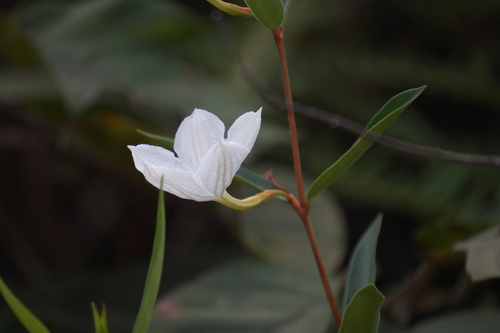
iNaturalist· cc-by-nc
(c) fayne, some rights reserved (CC BY-NC), uploaded by fayne
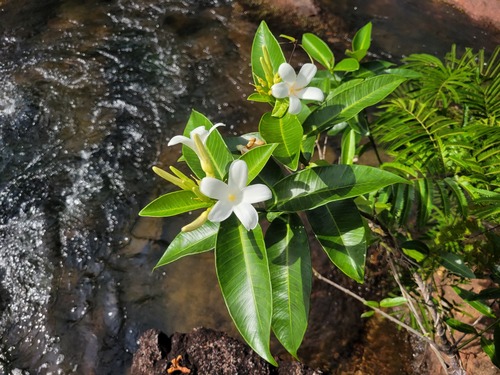
iNaturalist· cc-by-nc
(c) georgfritz, some rights reserved (CC BY-NC)
iNaturalist· cc-by-sa
(c) Andrew Hankey, some rights reserved (CC BY-SA), uploaded by Andrew Hankey
Description
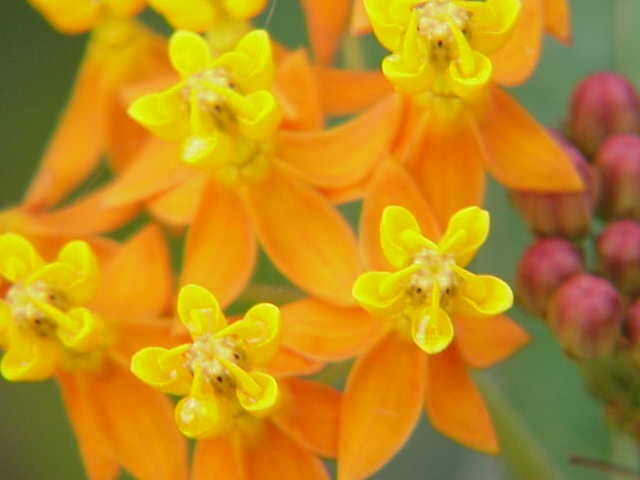
A herb. It keeps growing from year to year from tuberous roots. The stems can lie along the ground. They are 30 cm long. The leaves are simple and narrow. The edges are curved back. The flowers are in a group at the top of the plant. There are 3-6 flowers. The petals curve back. The flowers are green and 25 mm long. The fruit is a follicle tapering to a long tip.
Edible Uses
The leaves are cooked like spinach or eaten raw. The stems and flowers are also edible. The roots are dried, crushed, and mixed with boiling cow's milk to make a drink.
Traditional Uses
The leaves are cooked as a spinach. They are also eaten raw. The roots are dried and crushed and mixed with boiling cows milk to make a drink.
This uses section is brief — help expand it
Medicinal Uses
The roots are traditionally prepared as a hot drink with cow's milk.
Distribution
It is a subtropical plant. It grows in grasslands and on rocky hillsides.
Where It Grows
Africa, East Africa, Eswatini, Lesotho, Southern Africa, Swaziland, Zimbabwe,
Notes
It is also put in the family Asclepidaceae.
Synonyms
Also Known As
Montsoko, Montsokoane
References (5)
- Fox, F. W. & Young, M. E. N., 1982, Food from the Veld. Delta Books. p 104
- Long, C., 2005, Swaziland's Flora - siSwati names and Uses http://www.sntc.org.sz/flora/
- Plowes, N. J. & Taylor, F. W., 1997, The Processing of Indigenous Fruits and other Wildfoods of Southern Africa. in Smartt, L. & Haq. (Eds) Domestication, Production and Utilization of New Crops. ICUC p 185
- Ruiters-Welcome, A. K., 2019, Food plants of southern Africa. Ph.D. thesis. Univ. of Johannesburg p 20
- Welcome, A. K. & Van Wyk, B.-E., 2019, An inventory and analysis of the food plants of southern Africa. South African Journal of Botany 122 (2019) 136–179