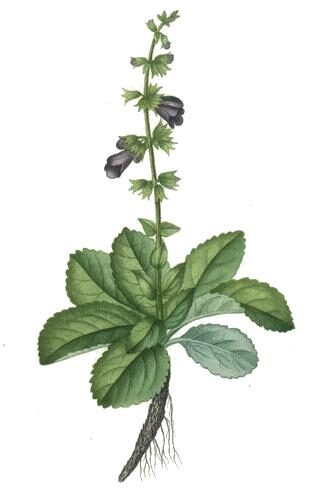
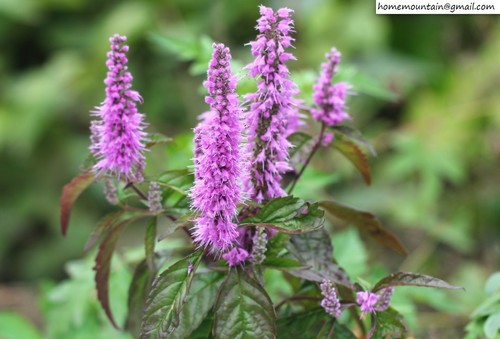
Galeopsis segetum
Necker
Downy hemp-nettle
iNaturalist· cc-by-nc
(c) J. IGNASI, some rights reserved (CC BY-NC), uploaded by J. IGNASI
iNaturalist· cc-by-nc
(c) anonymous, some rights reserved (CC BY-NC)
iNaturalist· cc-by
(c) agujaceratops, some rights reserved (CC BY), uploaded by agujaceratops
Summary
Source: WikipediaGaleopsis segetum, commonly known as downy hemp-nettle, is a species of flowering plant in the sage family, Lamiaceae. It grows as a weed in arable ground throughout Europe. Although superficially resembling the stinging nettle it is of a different family and does not sting.
Description
Galeopsis segetum is a self-fertile annual growing to 0.6 m tall. It produces flowers from July to October and is pollinated by bees. The plant has both male and female organs and tolerates light sandy, medium loamy, and heavy clay soils across mildly acidic to mildly alkaline pH ranges. It grows in semi-shade or full sun and prefers moist soil.
Edible Uses
No edible uses are known for this plant.
Traditional Uses
The leaves are cooked as a vegetable.
This uses section is brief — help expand it
Medicinal Uses
The flowering plant is astringent, diuretic, and mildly expectorant. A decoction has been used to treat whooping cough, bronchitis, tracheitis, and similar conditions. The plant is harvested in summer and can be used fresh or dried. A homeopathic remedy made from the plant is used to treat disorders of the spleen.
Known Hazards
Although no specific mention has been seen for this species, many other members of this genus are said to be poisonous, causing paralysis.
Distribution
It is a Mediterranean climate plant.
Where It Grows
Austria, Balkans, Belgium, Bosnia, Croatia, Denmark, Europe, France, Germany, Hungary, Italy, Luxembourg, Macedonia, Mediterranean, Netherlands, Romania, Serbia, Slovakia, Slovenia, Spain, Switzerland,
Cultivation
Grows in most soils, disliking heavy shade. This plant is sometimes grown in the wild garden.
Propagation
Sow seed in spring directly in situ. Germination usually takes place within a month.
Other Uses
No other uses are known for this plant.
Synonyms
Also Known As
Smrdljiva kopriva
References (1)
- Redzic, S. J., 2006, Wild Edible Plants and their Traditional Use in the Human Nutrition in Bosnia-Herzegovina. Ecology of Food and Nutrition, 45:189-232