Wallichia caryotoides
Roxb.
Himalayan dwarf fishtail palm
iNaturalist· cc-by-nc
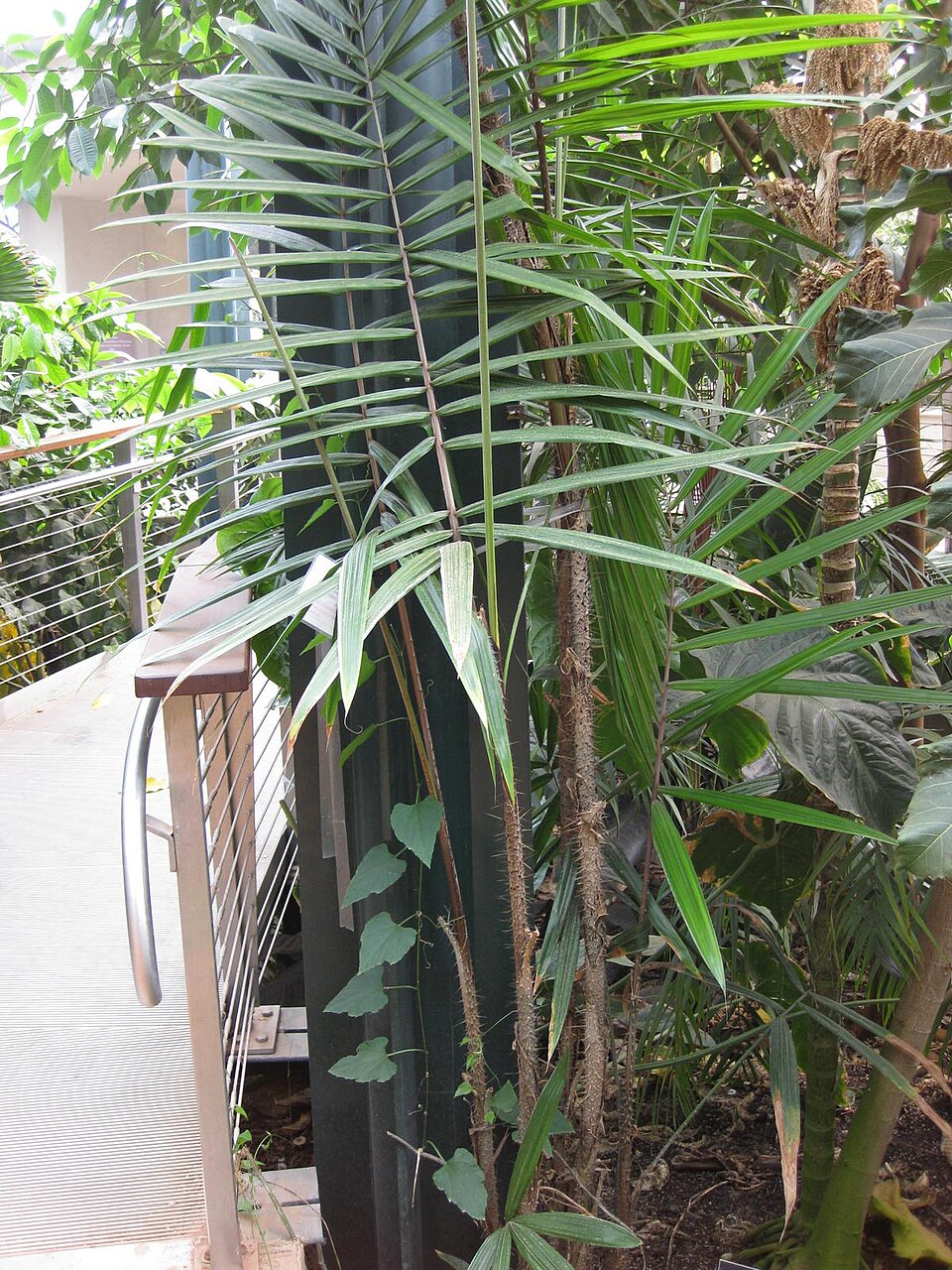
(c) Marcio Santos Ferreira, some rights reserved (CC BY-NC), uploaded by Marcio Santos Ferreira
iNaturalist· cc-by-nc
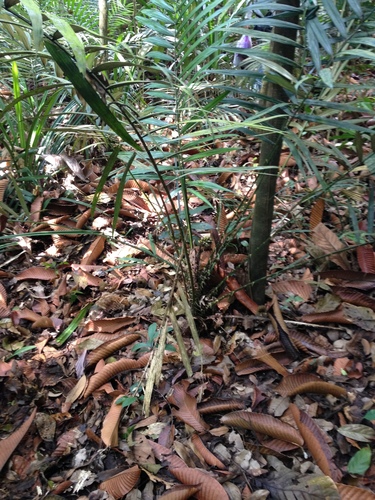
(c) James Bailey, some rights reserved (CC BY-NC)
gbif· cc0
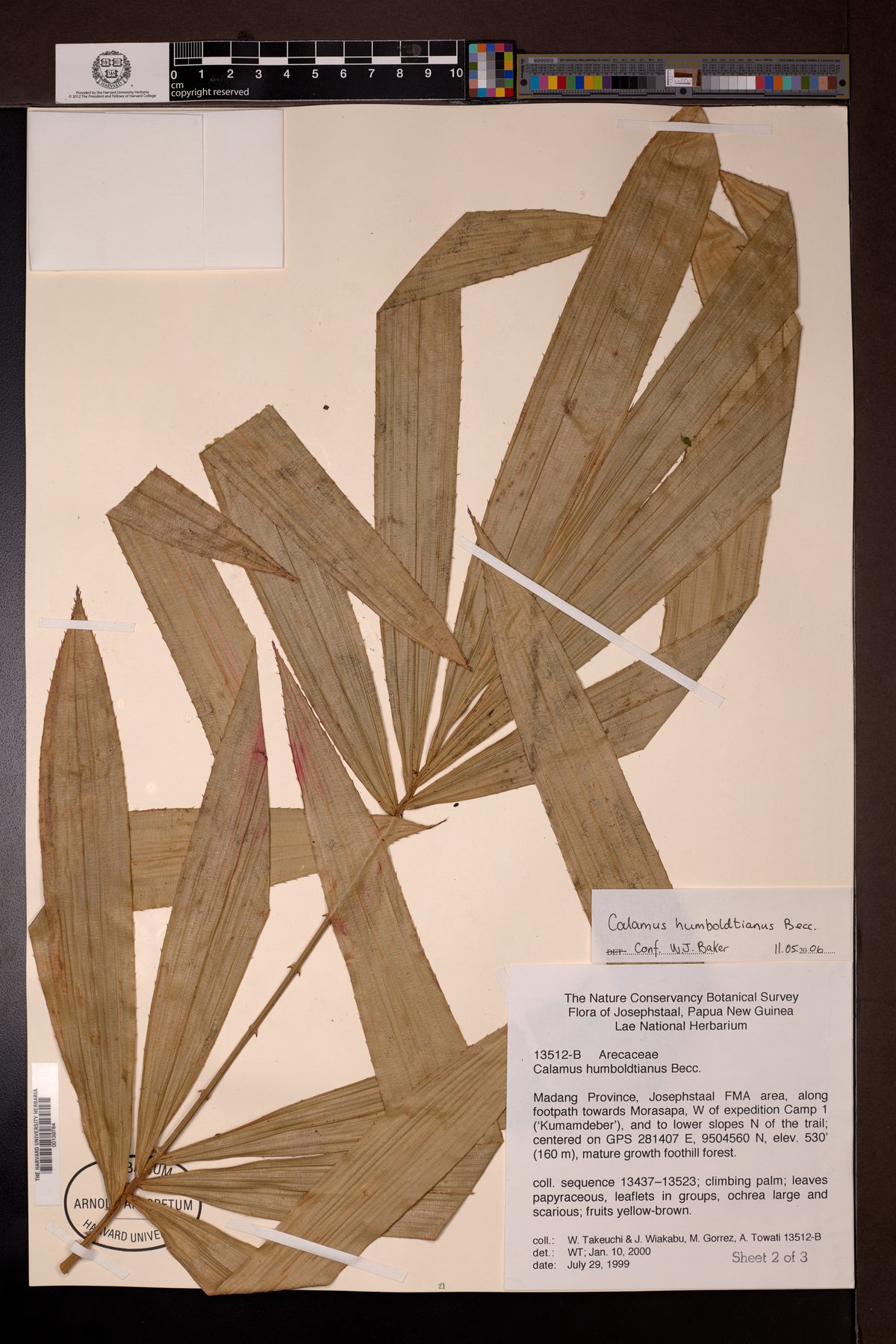
President and Fellows of Harvard College
Description
A palm. The stems are in clusters. They grow 3 m tall and are 2-10 cm across. The leaves are arranged in spirals. The leafy stalk is 0.9-1.5 m long. There are 8-12 leaflets on each side. They are sword shaped with 2 lobes. The middle leaflets are 25-49 cm long by 5-11 cm wide.
Edible Uses
The tender shoots, heart (palm cabbage), and palm heart are harvested for eating.
Distribution
It is a tropical plant. It grows in lowland rain forests in rocky places in steep slopes below 1,800 m above sea level. In Yunnan.
Where It Grows
Asia, Australia, Bangladesh, China, India, Indochina, Myanmar, SE Asia, Thailand,
Also Known As
Keujhay, Saingpo, Zanaung
References (2)
- Anderson, E. F., 1993, Plants and people of the Golden Triangle. Dioscorides Press. p 224
- Johnson, N., 2002, Environmental Change in northern Thailand: Impact on Wild Edible Plant Availability. Ecology of Food and Nutrition, 41: 5, 373-399