Urtica membranacea
Poiret
iNaturalist· cc-by
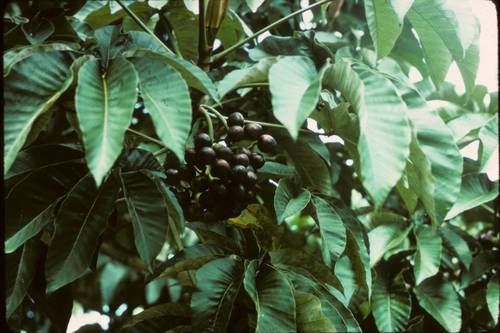
(c) Duarte Frade, some rights reserved (CC BY)
iNaturalist· cc-by-nc
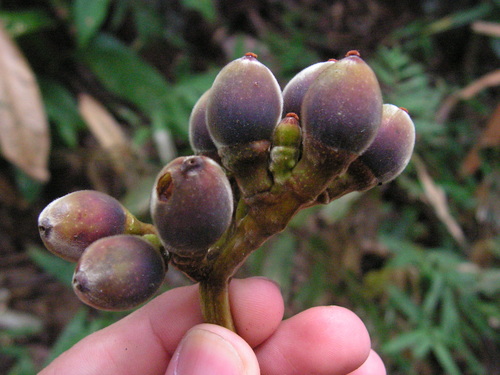
(c) Sandro Bogdanović, some rights reserved (CC BY-NC)
iNaturalist· cc-by-nc
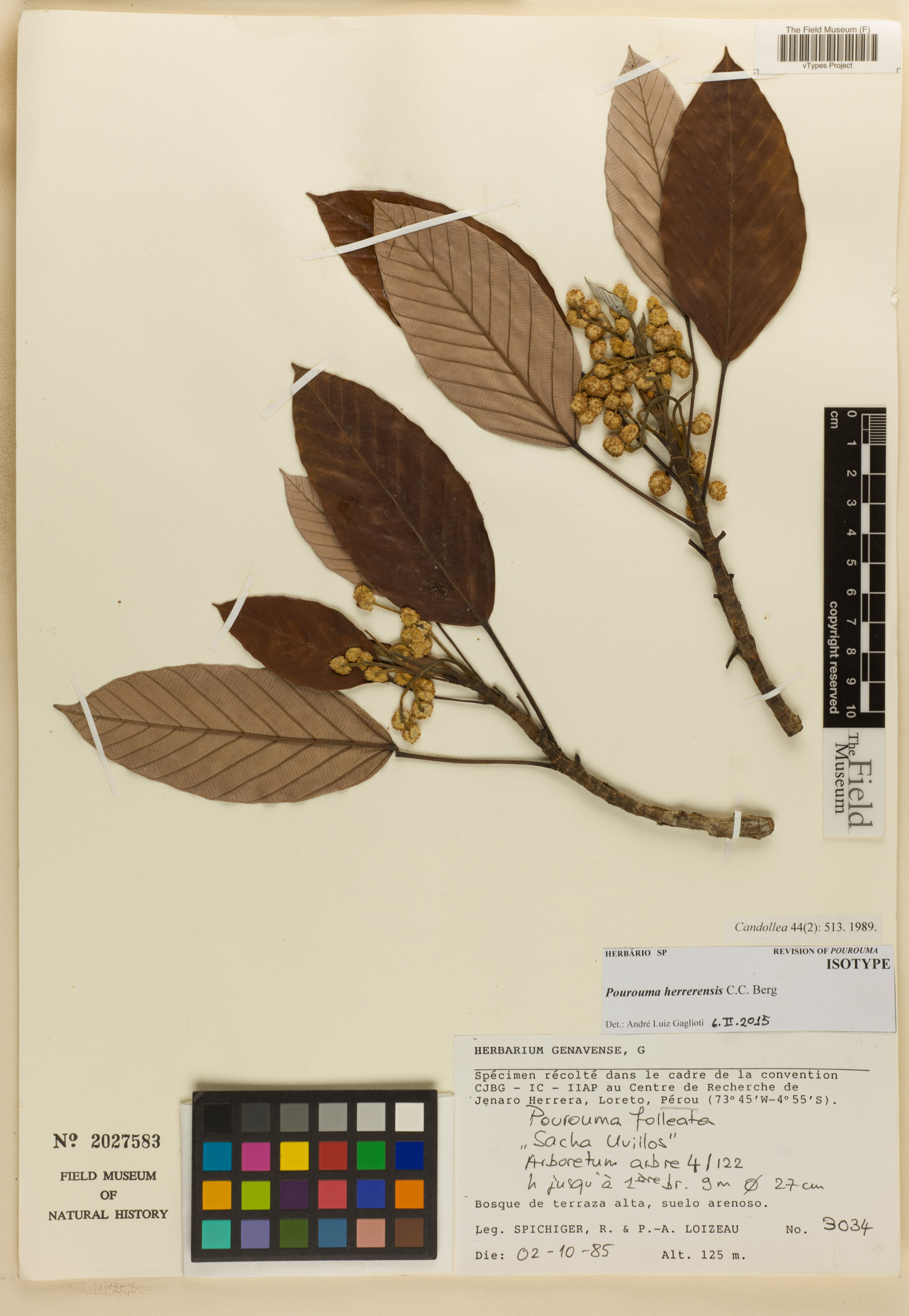
(c) Sandro Bogdanović, some rights reserved (CC BY-NC)
Summary
Source: WikipediaUrtica membranacea is a species of annual herb in the family Urticaceae native to the Mediterranean Basin. They have a self-supporting growth form and simple, broad leaves. Individuals can grow to 39 cm tall.
Description
An annual herb in the nettle family found in Mediterranean climates, growing in dry and arid soils. Both leaves and stems are edible.
This description is brief — help expand it
Edible Uses
The leaves and stems are boiled and eaten, cooked in omelettes, and used in soups.
Traditional Uses
The leaves are boiled and eaten. They are cooked in omelettes. They are used in soups.
This uses section is brief — help expand it
Distribution
It is a Mediterranean climate plant. It grows in dry soils. It can grow in arid places.
Where It Grows
Africa, Azores, Crete, Europe, Greece, Israel, Italy, Mediterranean, Middle East, Portugal, Sicily, Spain, Turkey, Türkiye,
Synonyms
Also Known As
Addricula, Isurgan, Ortiche, Ortiga
References (13)
- Biscotti, N. et al, 2018, The traditional food use of wild vegetables in Apulia (Italy) in the light of Italian ethnobotanical literature. Italian Botanist 5:1-24
- Blanco-Salas, J., et al, 2019, Wild Plants Potentially Used in Human Food in the Protected Area “Sierra Grande de Hornachos” of Extremadura (Spain). Sustainability 2019, 11, 456
- Ertug, F, Yenen Bitkiler. Resimli Türkiye Florası -I- Flora of Turkey - Ethnobotany supplement
- Geraci, A., et al, 2018, The wild taxa utilized as vegetables in Sicily (Italy): a traditional component of the Mediterranean diet. Journal of Ethnobiology and Ethnomedicine (2018) 14:14
- Gurdal, B. & Kultur, S., 2014, The edible and miscellaneous useful plants in Marmaris (Southwest Turkey). İstanbul Ecz. Fak. Derg. / J. Fac. Pharm. Istanbul 44(1) 2014 pp.69-78
Show all 13 references Hide references
- Lentini, F. and Venza, F., 2007, Wild food plants of popular use in Sicily. J Ethnobiol Ethnomedicine. 3: 15
- Motti, R. et al, 2009, Traditional Plant Use in the Phlegraean Fields Regional Park (Campania, Southern Italy). Human Ecology 37:775-782
- Özdemir, E. and Kültür, S., 2017, Wild Edible Plants of Savaştepe District (Balıkesir, Turkey), Marmara Pharm J 21/3: 578-589
- Pardo-de-Santayana, M., et al, 2007, Traditional knowledge of wild edible plants used in the northwest of the Iberian Peninsula (Spain and Portugal): a comparative study. Journal of Ethnobiology and Ethnomedicine 2007, 3:27
- Pasta, S., et al, 2020, An Updated Checklist of the Sicilian Native Edible Plants: Preserving the Traditional Ecological Knowledge of Century-Old Agro-Pastoral Landscapes. Frontiers in Plant Science. Volume 11|Article 388
- Royal Botanic Gardens, Kew (1999). Survey of Economic Plants for Arid and Semi-Arid Lands (SEPASAL) database. Published on the Internet; http://www.rbgkew.org.uk/ceb/sepasal/internet [Accessed 13th June 2011]
- Tardio, J., et al, Ethnobotanical review of wild edible plants in Spain. Botanical J. Linnean Soc. 152 (2006), 27-71
- World Checklist of Useful Plant Species 2020. Royal Botanic Gardens, Kew