Prasium majus
L.
Prasium
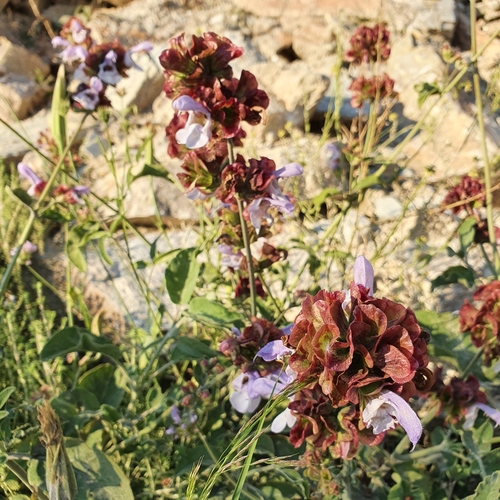
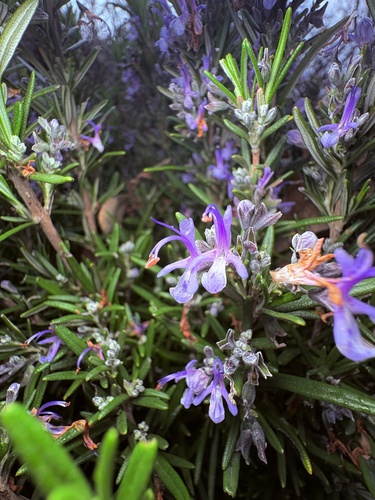
iNaturalist· cc-by-nc
(c) fotis-samaritakis, some rights reserved (CC BY-NC), uploaded by fotis-samaritakis
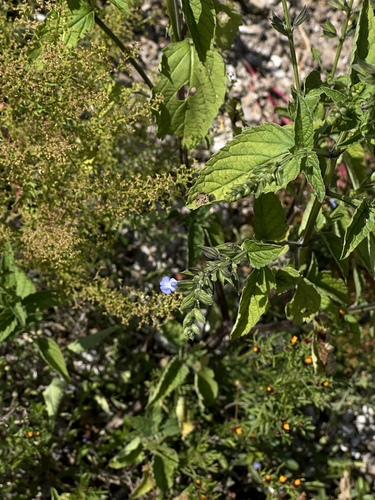
iNaturalist· cc-by-nc
(c) Nicolas Lagière, some rights reserved (CC BY-NC)
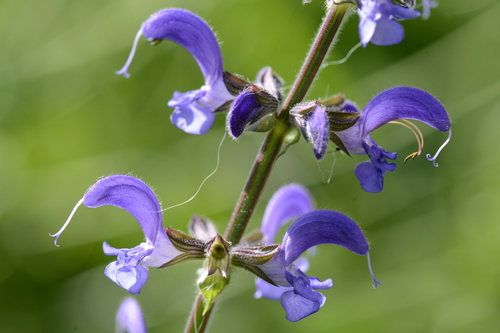
iNaturalist· cc-by
(c) John Lyden, some rights reserved (CC BY)
Description
A herb in the Lamiaceae family found in Mediterranean climate regions.
This description is brief — help expand it
Edible Uses
The leaves are used for preparing drinks, and can be eaten raw or lightly browned. The stems are also edible when eaten raw or lightly cooked.
Traditional Uses
The leaves are used for preparing drinks. The leaves and stems are also eaten raw or lightly browned.
This uses section is brief — help expand it
Distribution
It is a Mediterranean climate plant.
Where It Grows
Africa, Crete, Europe, Greece, Italy, Mediterranean, North Africa, Sicily, Tunisia,
Also Known As
Lagoudopaximado, Lagouto, Oudhimit arnib
References (7)
- Ben Ismail, H., 2013, Edible Wild Vegetables Used in North West of Tunisia. PARIPEX - Indian Journal of Reearch 2(9) :219-221
- Lentini, F. and Venza, F., 2007, Wild food plants of popular use in Sicily. J Ethnobiol Ethnomedicine. 3: 15
- Psaroudaki, A., et al, 2012, Ten Indigenous Edible Plants: Contemporary Use in Eastern Crete, Greece. Culture, Agriculture, Food and Environment Vol. 34, Issue 2 pp. 172–177
- Psaroudaki, A., et al, 2015, Genetic structure and population diversity of eleven edible herbs of Eastern Crete. Journal of Biological Research-Thessaloniki, 22:7
- Skoula, M & Sarpaki, A., 2005, Traditional knowledge on the uses of wild plants in Crete, Greece.
Show all 7 references Hide references
- Vardavas, C. I., et al, 2006, The antioxidant and phylloquinone content of wildly grown green in Crete. Food Chemistry 99: 813-821
- Vardavas, C. I., et al, 2006, Lipid concentrations of wild greens in Crete. Food Chemistry 99: 822-834