Salvia rosmarinus
Spenn.
Rosemary
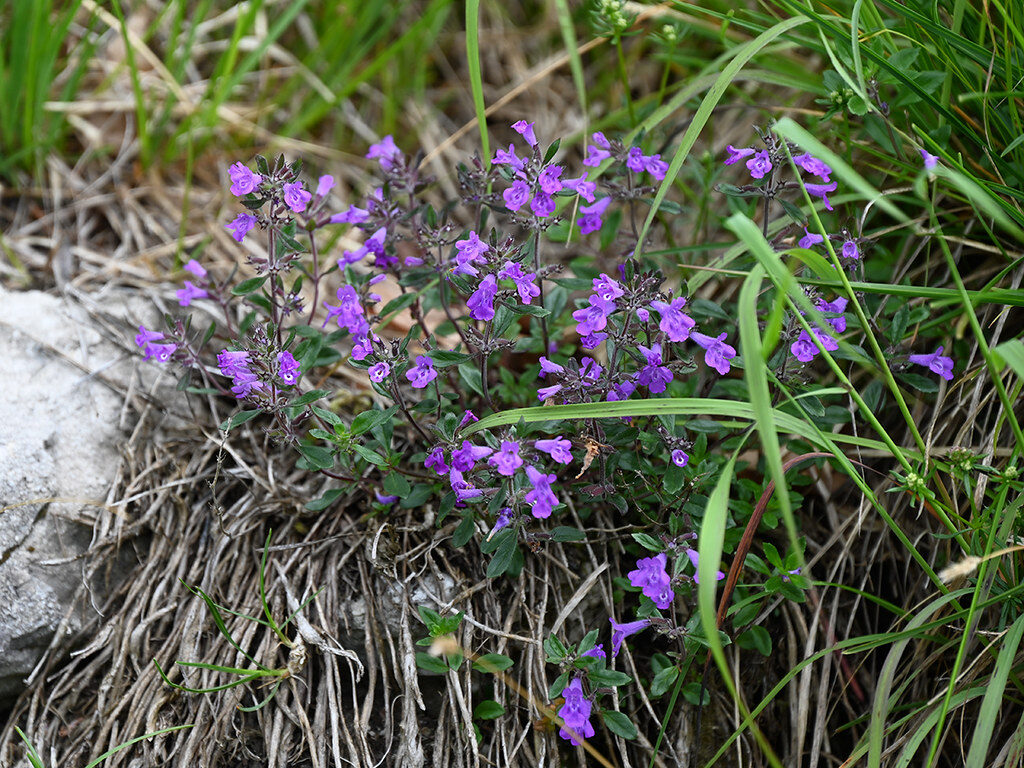
iNaturalist· cc-by-nc
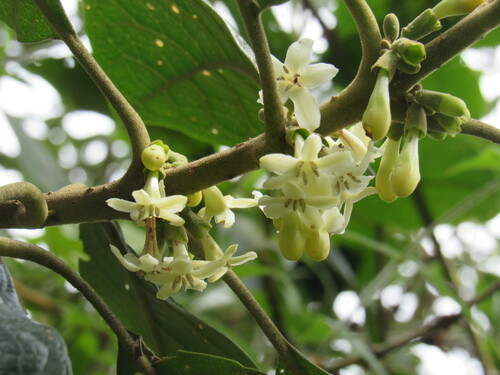
(c) Sergio Ibarra, some rights reserved (CC BY-NC), uploaded by Sergio Ibarra
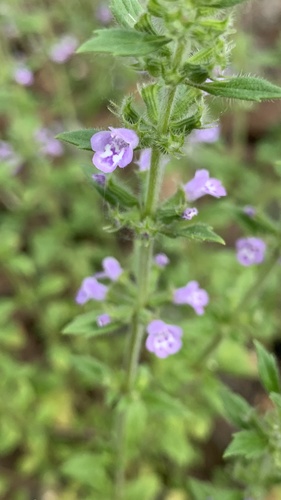
iNaturalist· cc-by-nc
(c) hoja, some rights reserved (CC BY-NC)
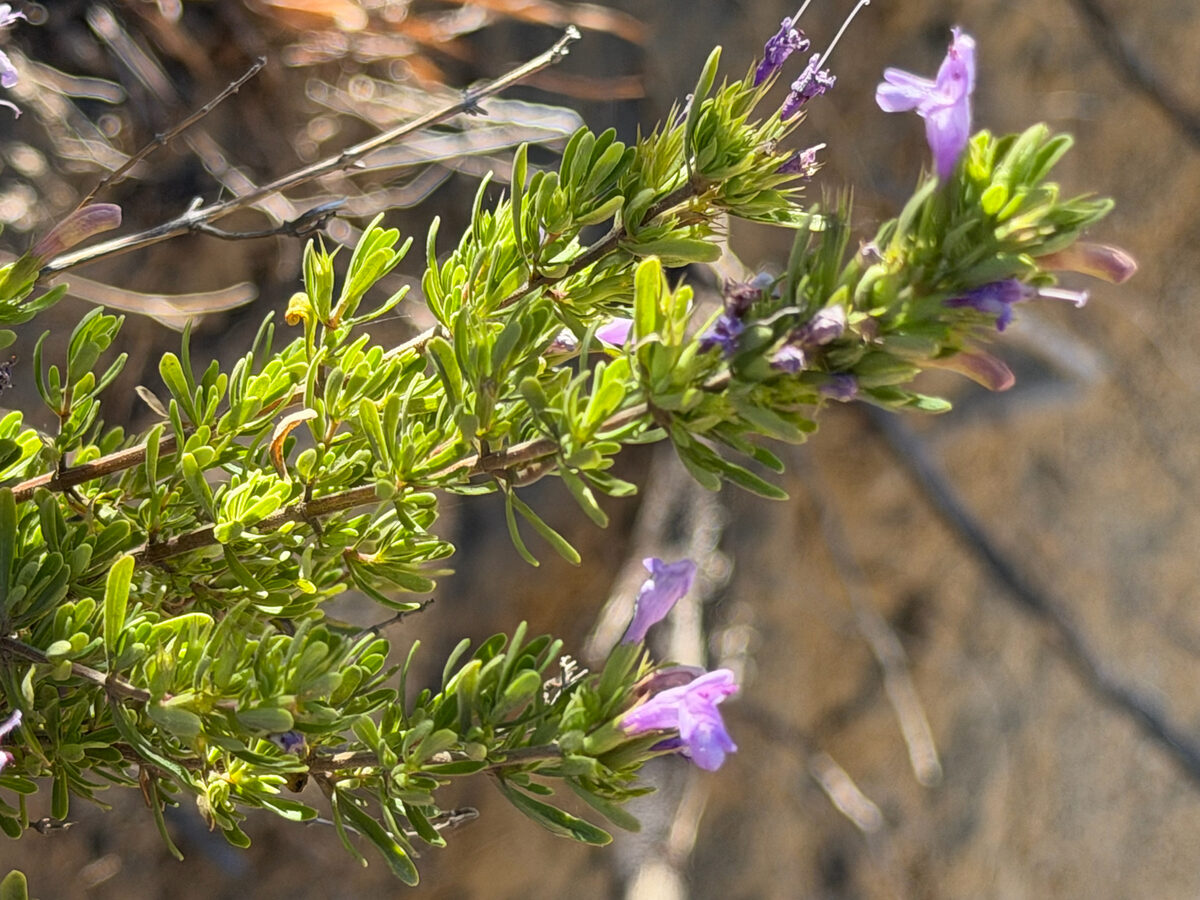
iNaturalist· cc-by-nc
(c) Παναγιώτης Ραφαηλίδης, some rights reserved (CC BY-NC), uploaded by Παναγιώτης Ραφαηλίδης
Description
A herb that keeps growing from year to year. It grows 50 cm to 1 m tall. The flowers are small and pale blue to white.
This description is brief — help expand it
Edible Uses
Rosemary leaves are used as a flavoring in foods, such as stews, stuffing, roasted meats, and marinades. Fresh or dried leaves are used in traditional Mediterranean cuisine, having an aroma of pine which complements many cooked foods. Herbal tea can be made from the leaves. In some cooking, the woody stem, stripped of its leaves, is used as a skewer. Rosemary extract, specifically the type mainly consisting of carnosic acid and carnosol, is approved as a food preservative in several countries, having E number E392.
Traditional Uses
The leaves are used fro flavouring.
This uses section is brief — help expand it
Distribution
It is a warm temperate plant.
Where It Grows
Cape Verde, North America, USA,
Cultivation
It can be grown by tip cuttings or layering.
Synonyms
Also Known As
Alecrim
References (3)
- Duarte, M. C., et al, 2022, Diversity of Useful Plants in Cabo Verde Islands: A Biogeographic and Conservation Perspective. Plants 2022, 11, 1313 p 13
- Kew, Plants of the World on Line
- World Checklist of Useful Plant Species 2020. Royal Botanic Gardens, Kew