Salvia pratensis
L.
Meadow clary, Meadow sage
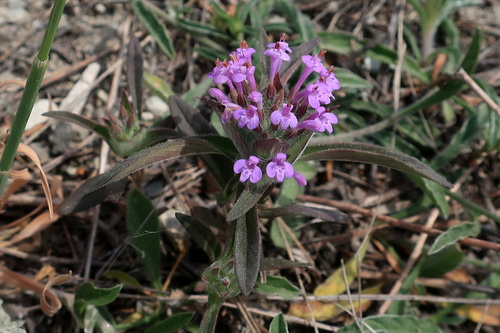
iNaturalist· cc-by-nc-sa
(c) Nicolas Zwahlen, some rights reserved (CC BY-NC-SA), uploaded by Nicolas Zwahlen
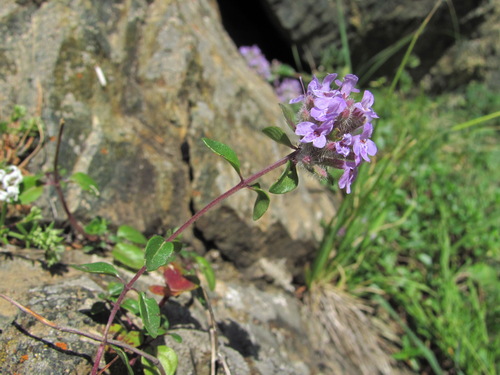
iNaturalist· cc-by-nc-sa
(c) Bas Kers, some rights reserved (CC BY-NC-SA)
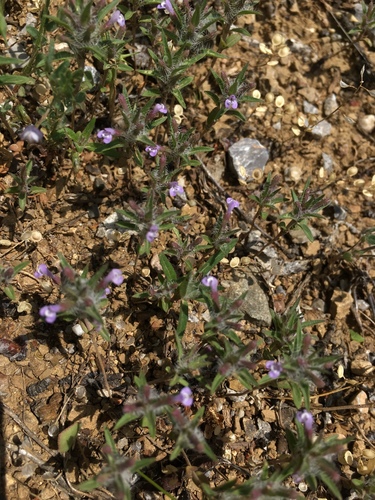
iNaturalist· cc-by-nc
(c) ska012, some rights reserved (CC BY-NC), uploaded by ska012
Summary
Source: WikipediaSalvia pratensis, the meadow clary or meadow sage, is a species of flowering plant in the family Lamiaceae, native to Europe, western Asia and northern Africa. The Latin specific epithet pratensis means "of meadows", referring to its preferred habitat. It also grows in scrub edges and woodland borders.
Description
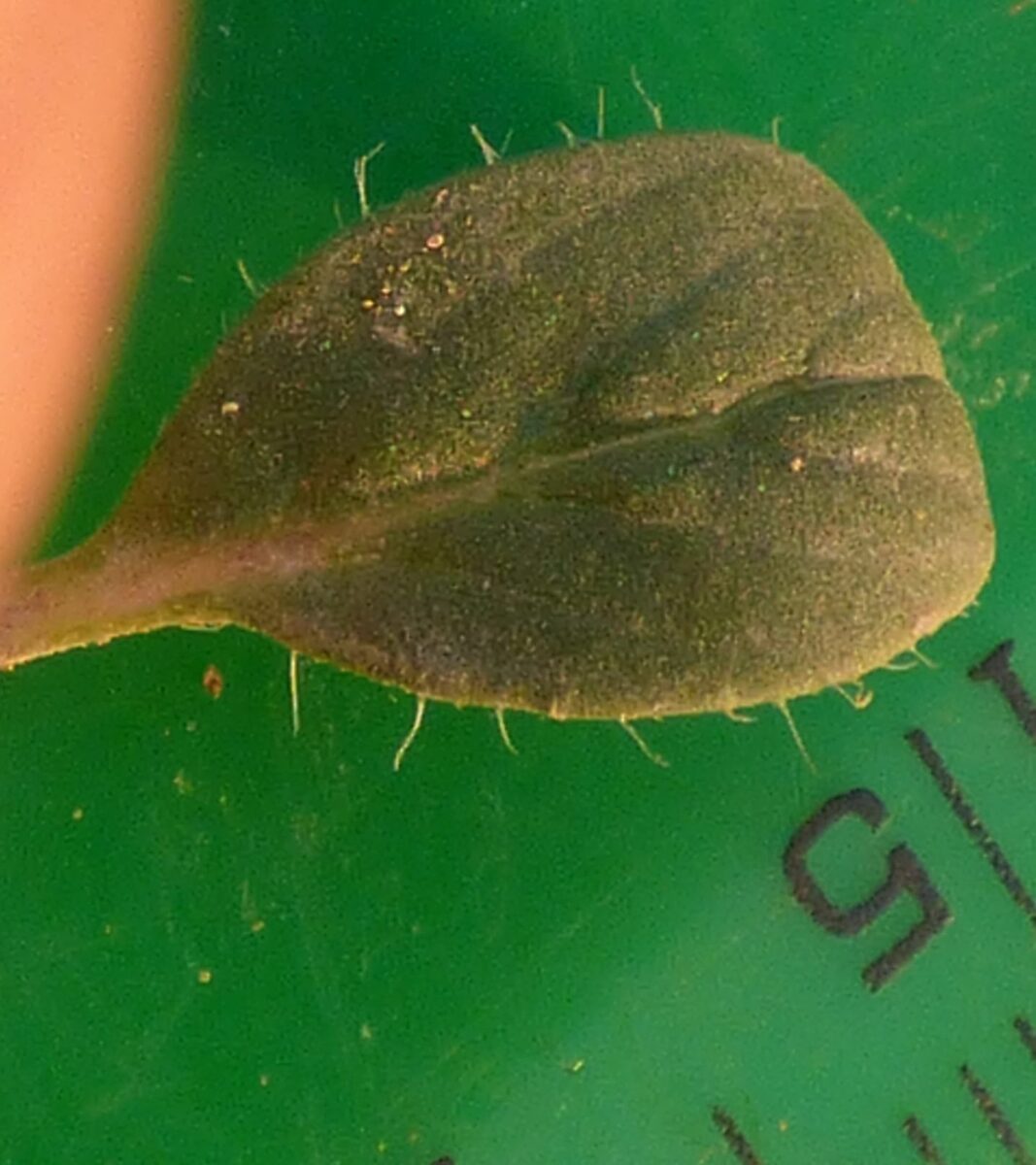
A woolly herb. It grows 30-100 cm tall. The leaves are 8-15 cm long. They have small lobes or a serrated edge. The flowers are 2.5 cm long. The flowers are often blue but can be white or pink.
Edible Uses
The herb has a pungent, bitter flavour and has been used to flavour beers and wines. It is also used as an adulterant of common sage.
Traditional Uses
The leaves are used in salads and soups. They can be bitter. They have been used for flavouring beer and wine.
This uses section is brief — help expand it
Medicinal Uses
None known.
Distribution
It is a temperate plant. It can grow on dry meadows and on chalk or limestone soils. It suits hardiness zone 4-10. Hobart Botanical Gardens.
Where It Grows
Australia, Austria, Balkans, Bosnia, Britain, Czech Republic, Europe, Hungary, Italy, Luxembourg, Mediterranean, Morocco, North Africa, Slovenia, Switzerland, Tasmania,
Cultivation
An easily grown plant, it succeeds in a very well-drained light sandy soil in a sunny position. Prefers a rich soil. Requires a good well-drained soil. Hardy to about -25°c. Plants can be killed by excessive winter wet. Well suited to the wild garden, growing well in the summer meadow. Plants have stout stems and require little if any staking. Members of this genus are rarely if ever troubled by browsing deer. There are many named forms selected for their ornamental value.
Propagation
Sow seed in March/April in a greenhouse; germination typically occurs within 2 weeks. Prick seedlings into individual pots when large enough and plant out in early summer. In marginal areas, overwinter young plants under glass and plant out in late spring the following year. Cuttings of half-ripe wood can be taken at almost any point during the growing season.
Other Uses
None known.
Also Known As
Baranylab, Bonomo blu, Kadulja livadska, Salvia di campo, Salvia selvatica, Salvio, Savio, Travniška kadulja
References (18)
- Abbet, C., et al, 2014, Ethnobotanical survey on wild alpine food plants in Lower and Central Valais (Switzerland). Journal of Ethnopharmacology 151 (2014) 624–634
- Benvenuti, S. & Mazzoncini, M., 2021, The Biodiversity of Edible Flowers: Discovering New Tastes and New Health Benefits. Frontiers in Plant Science Article 569499.
- Christanell, A., et al, 2010, The Cultural Significance of Wild Gathered Plant Species in Kartitsch (Eastern Tyrol, Austria) and the Influence of Socioeconomic Changes on Local Gathering Practices. Chapter 3 in Ethnobotany in the New Europe. Berghahn Books.
- Cundall, P., (ed.), 2004, Gardening Australia: flora: the gardener's bible. ABC Books. p 1305
- Denes, A., et al, 2012, Wild plants used for food by Hungarian ethnic groups living in the Carpathian Basin. Acta Societatis Botanicorum Poloniae 81 (4): 381-396
Show all 18 references Hide references
- Esperanca, M. J., 1988. Surviving in the wild. A glance at the wild plants and their uses. Vol. 2. p 192
- Facciola, S., 1998, Cornucopia 2: a Source Book of Edible Plants. Kampong Publications, p 135
- Hibbert, M., 2002, The Aussie Plant Finder 2002, Florilegium. p 285
- http://www.botanic-gardens-ljubljana.com/en/plants
- Irving, M., 2009, The Forager Handbook, A Guide to the Edible Plants of Britain. Ebury Press p 220
- Lawton, B.P., 2002, Mints. A Family of Herbs and Ornamentals. Timber Press. p 188
- Mattalia, G., et al, 2012, Traditional uses of wild food and medicinal plants among Brigasc, Kye ́, and Provenc ̧al communities on the Western Italian Alps. Genet Resour Crop Evol. Springer
- Paoletti, M.G., Dreon, A.L., and Lorenzoni, G.G., 1995, Pistic, Traditional Food from Western Friuli, NE Italy. Economic Botany 49(1) pp 26-30
- Pieroni, A., 1999, Gathered wild food plants in the Upper Valley of the Serchio River (Garfagnana), Central Italy. Economic Botany 53(3) pp 327-341
- Redzic, S. J., 2006, Wild Edible Plants and their Traditional Use in the Human Nutrition in Bosnia-Herzegovina. Ecology of Food and Nutrition, 45:189-232
- Sansanelli, S., et al, 2014, Wild food plants traditionall consumed in the area of Bologna (Emilia Romagna region, Italy). Journal of Ethnobiology and Ethnomedicine 10:69
- Simkova, K. et al, 2014, Ethnobotanical review of wild edible plants used in the Czech Republic. Journal of Applied Botany and Food Quality 88, 49-67
- Sp. pl. 1:25. 1753