Narcissus tazetta
L.
Narciso nostrale, Nargis, Jonquil
iNaturalist· cc-by
(c) Francesco Santoro, some rights reserved (CC BY), uploaded by Francesco Santoro
iNaturalist· cc-by-nc
(c) Errol Véla, some rights reserved (CC BY-NC), uploaded by Errol Véla
iNaturalist· cc-by-nc-nd
(c) Dmitry Savikovsky, some rights reserved (CC BY-NC-ND), uploaded by Dmitry Savikovsky
Summary
Source: WikipediaNarcissus tazetta (paperwhite, bunch-flowered narcissus, bunch-flowered daffodil, Chinese sacred lily, cream narcissus, joss flower, polyanthus narcissus) is a perennial ornamental plant that grows from a bulb. Cultivars of N. tazetta include 'Caniculatus', 'Grand Soleil d'Or' and 'Ziva', which are popularly used for forcing indoors, as is the form of N. tazetta known as Chinese Sacred Lily.
Description
A bulb herb. The leaves and flowers arise from the bulb. The leaves are strap like. There is a single flowering stalk.
This description is brief — help expand it
Edible Uses
None known.
Traditional Uses
The flowering shoot is eaten blanched and seasoned with oil, lemon and salt. They are also cooked with dried broad beans. The leaves have an onion flavour and are cooked with grounded hazel-nuts.
Medicinal Uses
The plant is used as a demulcent in the treatment of boils and mastitis. The root is emetic and is used to relieve headaches. Chopped root is applied externally as an antiphlogistic and analgesic poultice to abscesses, boils, and other skin complaints. The plant has a folklore of effectiveness against certain forms of cancer, possibly due to benzaldehyde converting to laetrile-like compounds or lycorine converting to lycobetaine-like compounds in the body.
Distribution
It is a temperate plant.
Where It Grows
Africa, Albania, Asia, Australia, Balkans, Crete, Cyprus, Egypt, Europe, France, Greece, India, Italy, Korea, Mediterranean, North Africa, Portugal, Sicily, Slovenia, Spain, Tasmania, Yugoslavia,
Cultivation
Prefers a deep rather stiff soil but succeeds in most soils and situations. Grows well in heavy clay soils. Prefers an alkaline soil with a pH between 7 and 8. Best grown in a warm sunny corner with shelter from cold winds. The dormant bulbs will withstand soil temperatures down to at least -5°c. A polymorphic species. Cultivated for its essential oil. The flowers are very powerfully scented. The sub-species N. tazetta chinensis. Roemer. is used in Japanese medicine.
Propagation
Seed is best sown as soon as it is ripe in a cold frame. A brief stratification improves germination of stored seed. Sow thinly so seedlings can remain undisturbed for their first two years, giving an occasional liquid feed in the growing season to prevent nutrient deficiency. When plants go dormant in summer, pot up the small bulbs 2–3 per pot and grow on in the greenhouse for one to two more years before planting out when dormant in late summer. Bulbs can also be divided after the leaves die down in early summer. Larger bulbs can go directly into permanent positions or be stored in a cool place and planted out in autumn. Smaller bulbs are best potted on for a year before planting out when dormant in autumn.
Other Uses
An essential oil obtained from the flowers is used in perfumery.
Synonyms
Also Known As
Agghi porri, Narcisu, Večcvetni narcis
References (4)
- Geraci, A., et al, 2018, The wild taxa utilized as vegetables in Sicily (Italy): a traditional component of the Mediterranean diet. Journal of Ethnobiology and Ethnomedicine (2018) 14:14
- http://www.botanic-gardens-ljubljana.com/en/plants
- Lentini, F. and Venza, F., 2007, Wild food plants of popular use in Sicily. J Ethnobiol Ethnomedicine. 3: 15
- Pasta, S., et al, 2020, An Updated Checklist of the Sicilian Native Edible Plants: Preserving the Traditional Ecological Knowledge of Century-Old Agro-Pastoral Landscapes. Frontiers in Plant Science. Volume 11|Article 388
More from Amaryllidaceae
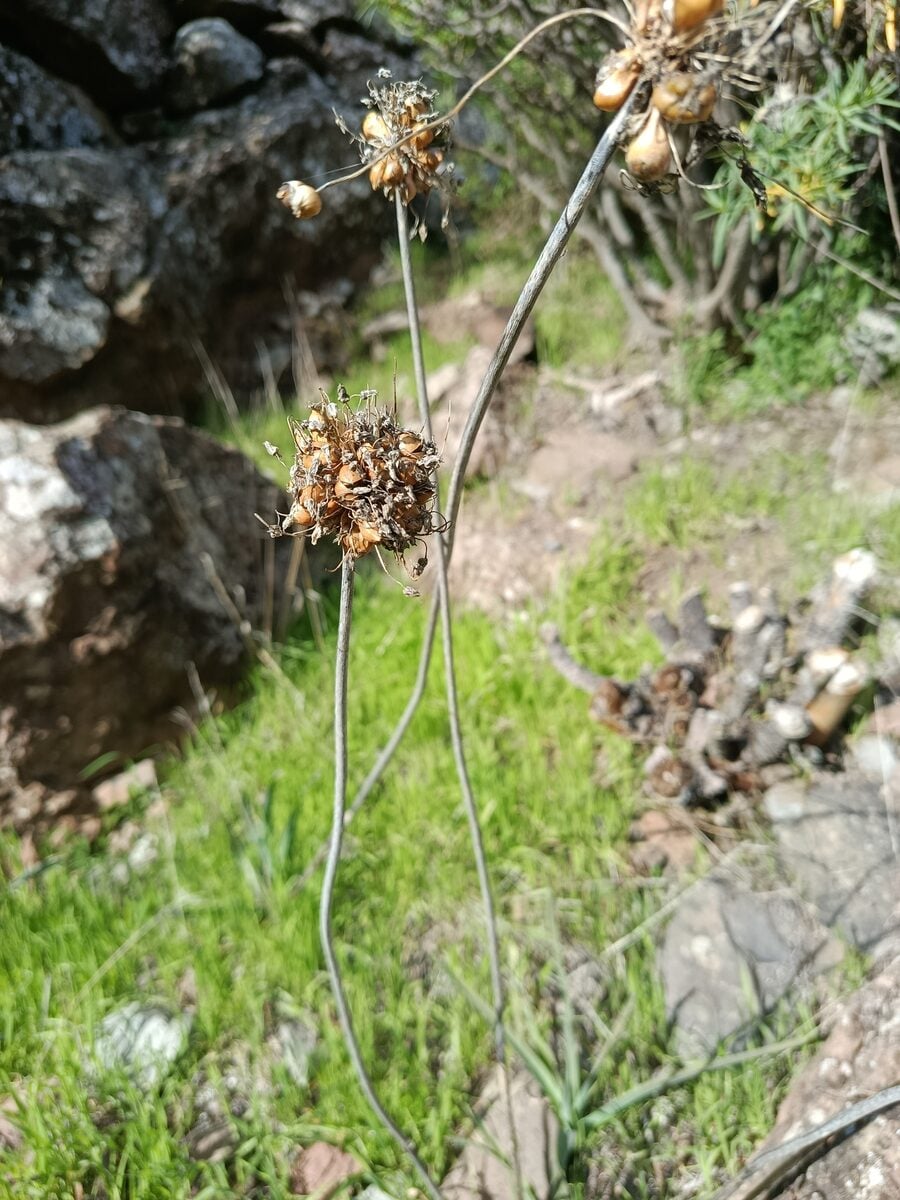
Allium ampeloprasum babingtonii - (Borrer.)Syme.
Babington's Leek
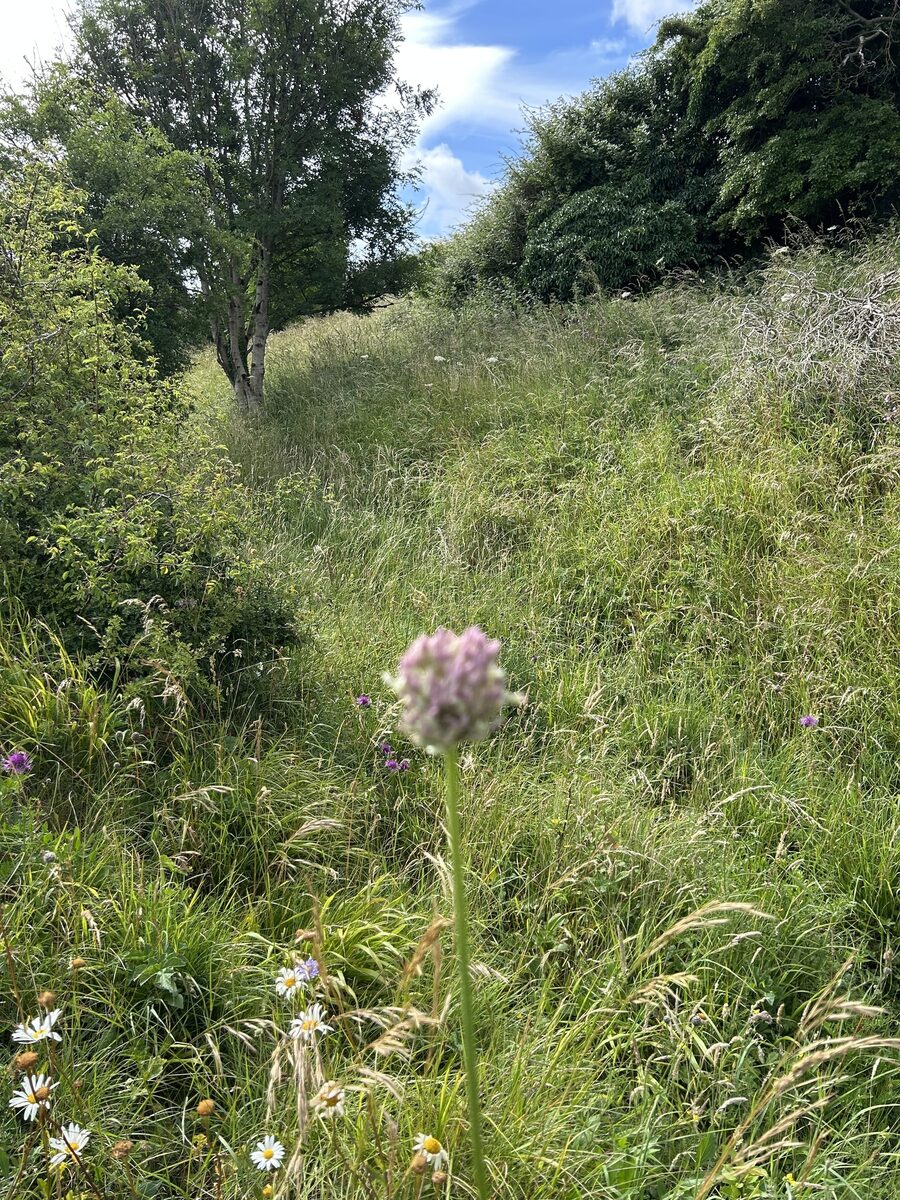
Allium ampeloprasum var. babbingtonii
Babbington's leek
Allium ampeloprasum var. kurrat
Kurrat, Salad Leek, Egyptian leek
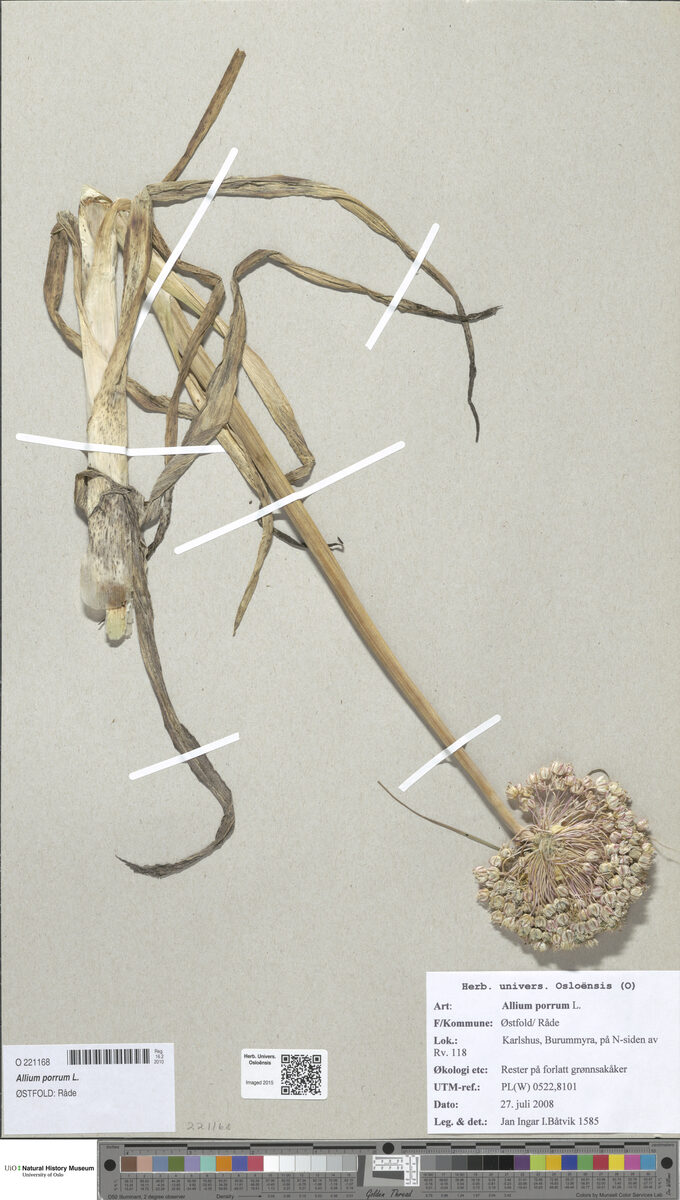
Allium ampeloprasum var. porrum
Leek
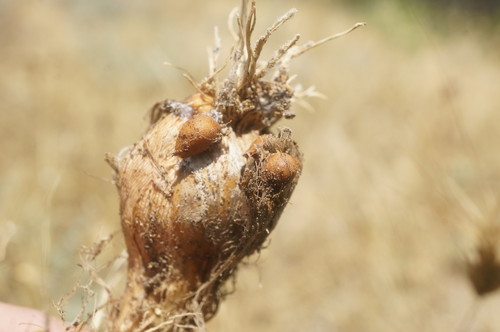
Allium ampeloprasum var. sativum
Pearl onion
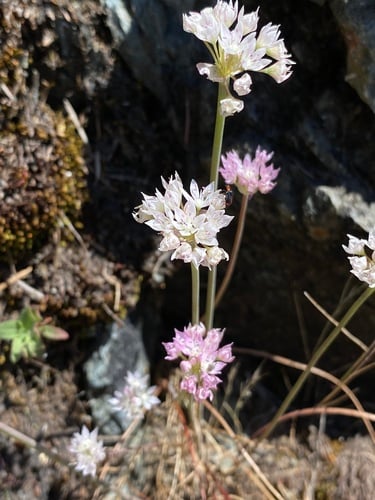
Allium amplectens
Desert chives, Narrowleaf onion, Slimleaf onion