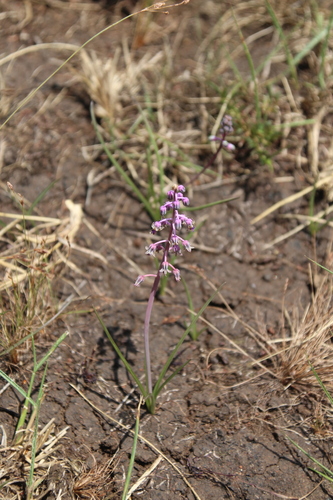
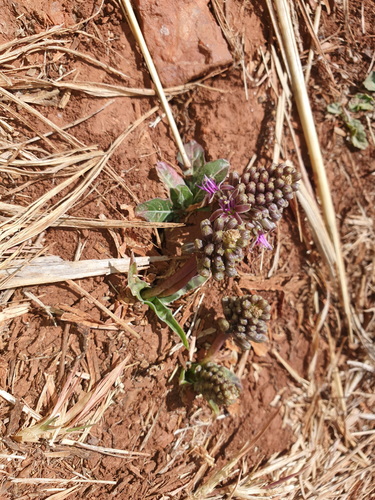
Ornithogalum narbonense
L.
Star of Bethlehem
iNaturalist· cc-by-nc
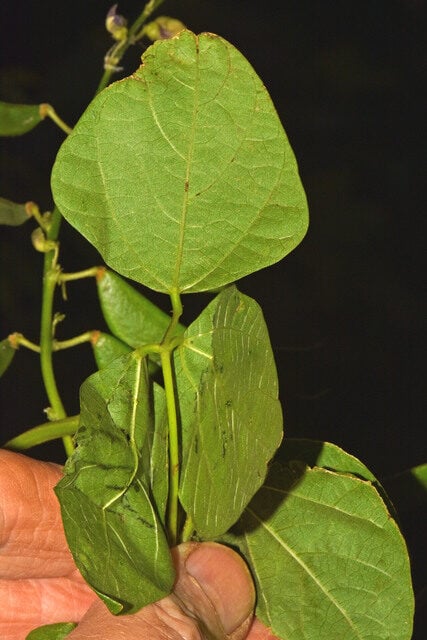
(c) Jorge Anjos Goncalves, some rights reserved (CC BY-NC), uploaded by Jorge Anjos Goncalves
iNaturalist· cc-by
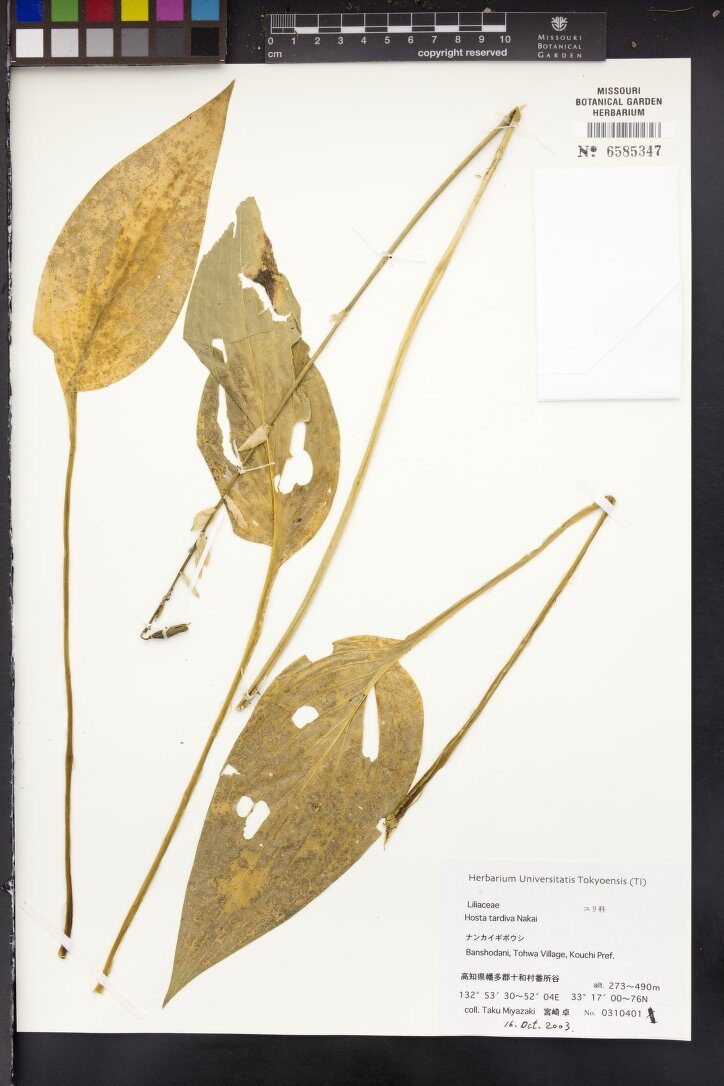
(c) Karim Haddad, some rights reserved (CC BY), uploaded by Karim Haddad
iNaturalist· cc-by-nc-sa
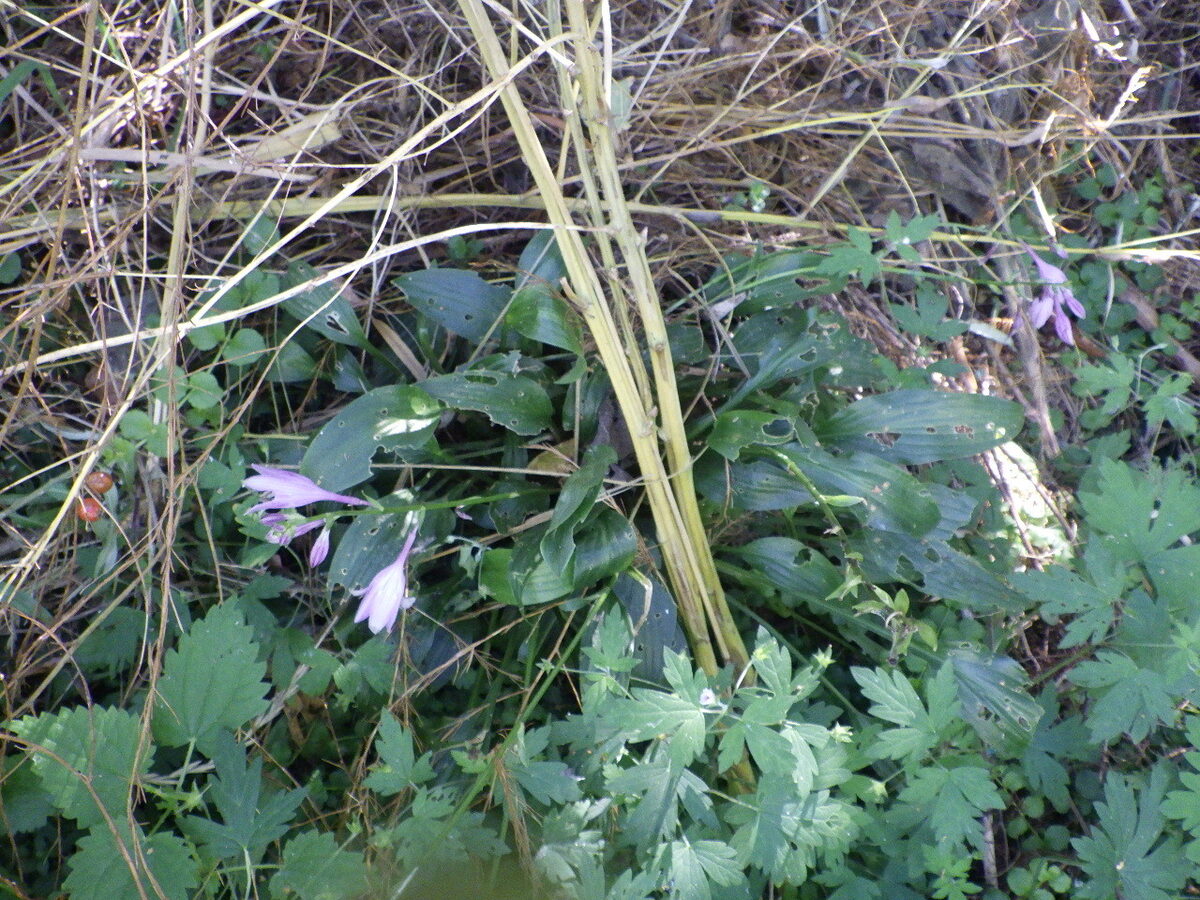
(c) Renato Franzi, some rights reserved (CC BY-NC-SA), uploaded by Renato Franzi
Summary
Source: WikipediaOrnithogalum narbonense, common names Narbonne star-of-Bethlehem, pyramidal star-of-Bethlehem and southern star-of-Bethlehem, is a herbaceous perennial flowering plant with underground bulbs, belonging to the genus Ornithogalum of the family Asparagaceae. The Latin name Ornithogalum of the genus, meaning "bird's milk", derives from the Greek, while the species name narbonense refers to the French town of Narbonne.
Description
A bulb plant. It grows 60-90 cm high and spreads 60-120 cm wide. The leaves are very narrow. They are 80 cm long. The flower stems are 90 cm tall. The flowers are small and in heads. They are white with a fine green stripe in the centre.
Edible Uses
The bulb is edible. No further details are given, though it is probably cooked before being eaten. Some caution is advised regarding toxicity.
Traditional Uses
The bulbs are added to ice cream and other dairy foods. They are eaten raw. The leaves and bulbs are eaten as a vegetable. The leaves are eaten raw in salads and also cooked.
Medicinal Uses
None known.
Known Hazards
Although no specific mention of this plant as being toxic has been seen, it belongs to a family where there are some species that are said to be toxic. Caution should be observed. Any toxins are likely to be concentrated in the bulb.
Distribution
It is a Mediterranean climate plant. It suits hardiness zones 7-10.
Where It Grows
Australia, Europe, Greece, Iran, Italy, Mediterranean, Middle East, Slovenia, Turkey, Türkiye,
Cultivation
An easily grown plant, it succeeds in any position in ordinary garden soil. Prefers a sunny position. Succeeds in short grass, though this should not be mown from the time the bulbs start to grow until they have set seed and the leaves are dying down. Plants are hardy to about -10°c.
Propagation
Seed is best sown as soon as ripe in a cold frame. Sow thinly and leave seedlings undisturbed through their first dormancy, applying liquid feed at intervals, particularly in their second year of growth. At the end of the second year, divide bulbs and pot up 2–3 per pot. Grow on for a further year before planting out into permanent positions while dormant. Seed can also be sown in a cold frame in early spring. Offsets can be divided in September or October. Larger bulbs can go directly into permanent positions; smaller bulbs are best potted up and grown on for a year before planting out while dormant in late summer.
Other Uses
None known.
Notes
There are about 80 Ornithogalum species. Also put in the family Liliaceae and Hyacinthaceae.
Synonyms
Also Known As
Akbandir
References (14)
- Biscotti, N. et al, 2018, The traditional food use of wild vegetables in Apulia (Italy) in the light of Italian ethnobotanical literature. Italian Botanist 5:1-24 (As Loncomelos narbonense)
- Blamey, M and Grey-Wilson, C., 2005, Wild flowers of the Mediterranean. A & C Black London. p 478
- Brickell, C. (Ed.), 1999, The Royal Horticultural Society A-Z Encyclopedia of Garden Plants. Convent Garden Books. p 729
- Cakir, E. A., 2017, Traditional knowledge of wild edible plants of Iğdır Province (East Anatolia, Turkey). Acta Soc Bot Pol. 2017;86(4):3568.
- Cundall, P., (ed.), 2004, Gardening Australia: flora: the gardener's bible. ABC Books. p 957 (species)
Show all 14 references Hide references
- Dogan, Y., et al, 2004, The Use of Wild Edible Plants in Western and Central Anatolia (Turkey). Economic Botany 58(4) pp. 684-690
- Dogan, Y., 2012, Traditionally used wild edible greens in the Aegean Region of Turkey. Acta Societatis Botanicorum Poloniae 81(4): 329-342
- Ertug, F, Yenen Bitkiler. Resimli Türkiye Florası -I- Flora of Turkey - Ethnobotany supplement
- Facciola, S., 1998, Cornucopia 2: a Source Book of Edible Plants. Kampong Publications, p 144
- http://www.botanic-gardens-ljubljana.com/en/plants
- Kaya, O. M., et al, 2020, An ethnobotanical research in Sanhurfa central district and attached Villages (Turkey). Indian Journal of Traditional Knowledge. Vol. 19(1) pp 7-23
- Kayiran, S. D., & Ozkan, E. E., 2017, The ethnobotanical uses of Hyacinthaceae species growing in Turkey and a review of pharmacological activities. Indian Journal of Traditional Knowledge V ol. 16(2), April 2017, pp. 243-250
- Plants for a Future database, The Field, Penpol, Lostwithiel, Cornwall, PL22 0NG, UK. http://www.scs.leeds.ac.uk/pfaf/
- Rivera, D. et al, 2006, Gathered Mediterranean Food Plants - Ethnobotanical Investigations and Historical Development, in Heinrich M, Müller WE, Galli C (eds): Local Mediterranean Food Plants and Nutraceuticals. Forum Nutr. Basel, Karger, 2006, vol 59, pp 18–74