Clinopodium nepeta
(L.) Kuntze
Lesser calamint, Basil thyme, Mountain mint
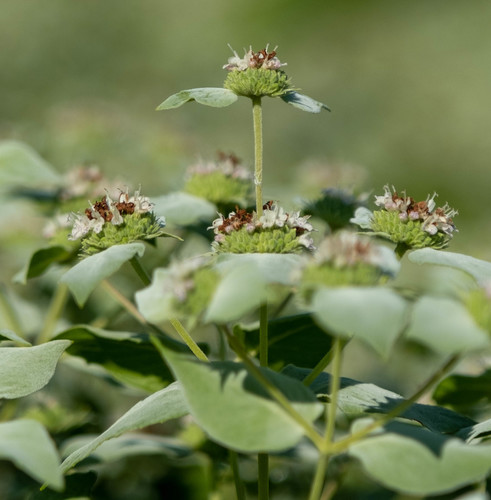
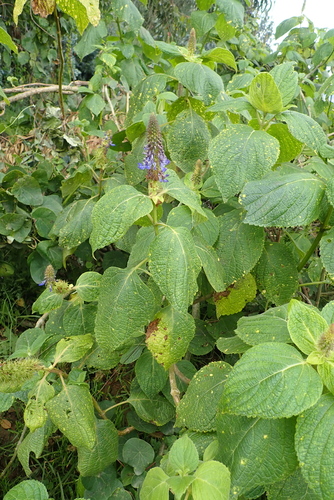
iNaturalist· cc-by-nc
(c) Ron Frumkin, some rights reserved (CC BY-NC)
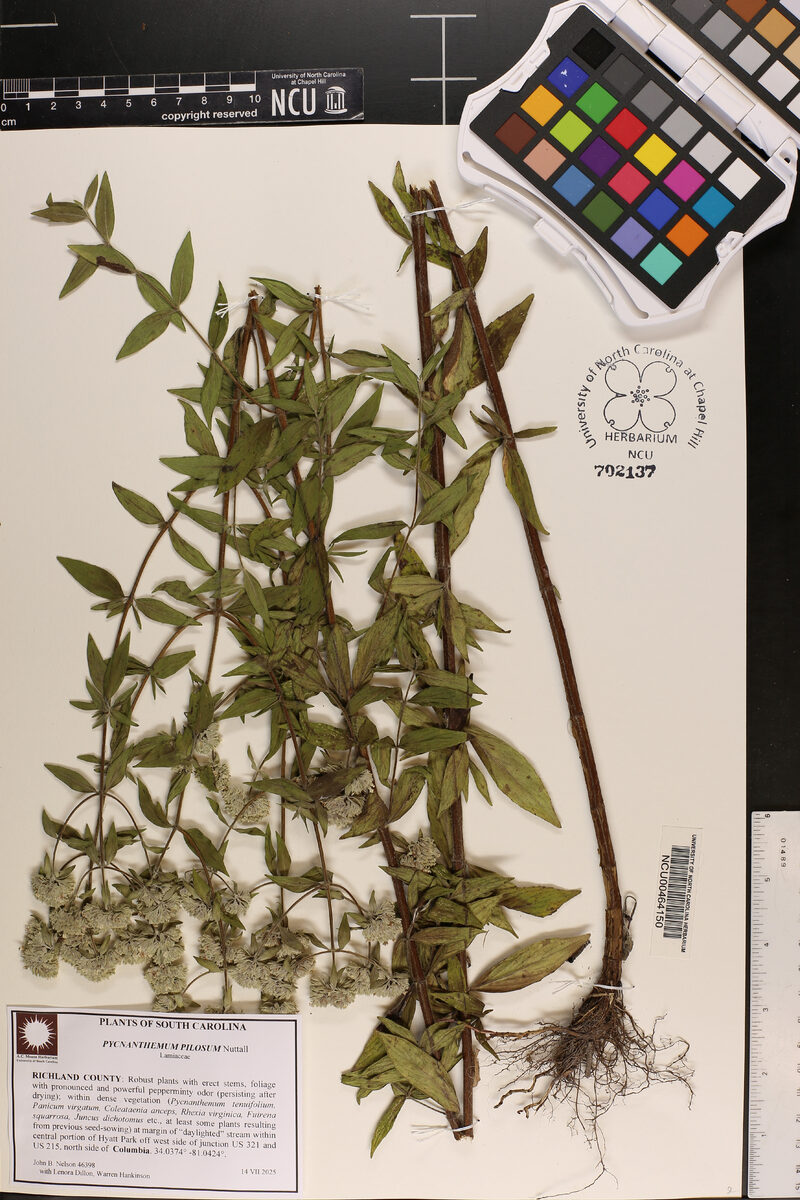
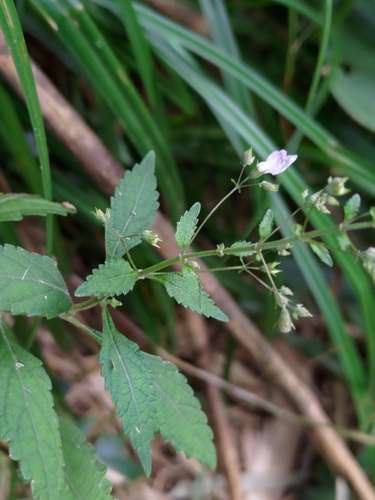
iNaturalist· cc-by-nc
(c) Ron Frumkin, some rights reserved (CC BY-NC)
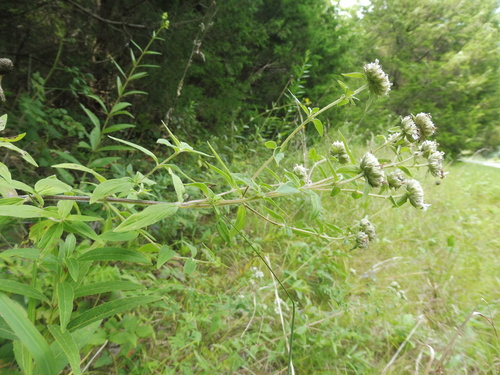
iNaturalist· cc-by-nc
(c) Andrej Funk, some rights reserved (CC BY-NC)
Summary
Source: WikipediaClinopodium nepeta (synonym: Calamintha nepeta), known as lesser calamint, is a perennial herb of the mint family known for having fragrant, grey-green, oregano-like leaves with a pennyroyal smell. It is also called niepita, and mentuccia romana. This plant commonly grows across the Mediterranean, North Africa and parts of Central Asia and has traditionally been used as a folk medicine and culinary herb. A recent study also found cultivars of lesser catmint that had the same compounds in catnip that cause the euphoric effect in cats, known as nepetalactone.
Description
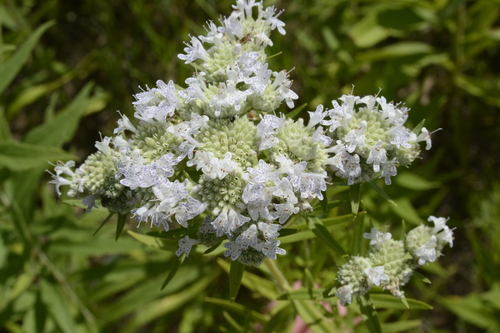
A plant which has underground stems or rhizomes. It grows 20-75 cm high. It forms bushes. These can become woody at the base. The stems are downy and grey-green. The leaves are hairy and grey-green. They are less than 2.5 cm long. The flowers are lilac to white. They are 12 mm long and in clusters of 15.
Edible Uses
The leaves are used as flavoring for mushrooms, artichokes, zucchini, and fish dishes, added to soups, cooked as a vegetable, and brewed into herbal tea. The flowers are also edible.
Traditional Uses
The leaves are used to add an aroma to mushrooms, artichokes and zucchini. They are used to flavour fish dishes. They are used in soups. They are also cooked. The leaves are used for a herbal tea. Caution: It should not be eaten by pregnant women.
Medicinal Uses
Lesser calamint is commonly used as a herb in the Italian and Corsican cuisine, where it is called nepita, mentuccia, nipitella or nepitella. In Rome it is used in the preparation of the Carciofi alla Romana. In southern Italy it is used in the making of a goat cheese called cassiedu, giving the cheese a minty taste. Some sources state that Nepeta nepetella can be used in cooking like the lesser calamint. C. nepeta has a long history of use as a herbal medicine as a tea for cramps and the digestive tract. Additionally hydrodistilled essential oil made from C. nepeta has been used to alleviate insomnia, headache and respiratory illness Research has found that extracts of C. nepeta, such as essential oils, have antifungal, insecticidal and insect-repellent properties. Moreover it has recently been discovered that some cultivars of C. nepeta contain nepetalactone, the compound in true catnip famous for the euphoric effect it has on cats. This may also contribute to insect-repellent properties of extracts made from C. nepeta plants.
Known Hazards
Should not be eaten by pregnant women.
Distribution
It is a temperate plant. They grow in cool regions and do not suit humid areas. They need well drained soil. It is resistant to drought and frost. It suits plant hardiness zones 6-10.
Where It Grows
Africa, Albania, Algeria, Armenia, Asia, Australia, Austria, Azerbaijan, Balkans, Britain, Bulgaria, Canada, Caucasus, Europe*, France, Georgia, Greece, Hungary, Iran, Italy, Mediterranean, Middle East, Moldova, Morocco, North Africa, North America, Portugal, Russia, Sicily, Slovenia, Spain, Switzerland, Tunisia, Turkey, Türkiye, Ukraine, USA,
Cultivation
Plants can be grown from seed. They can also be grown from cuttings or division.
Notes
It is used in medicine. There are 6 or 7 Calamintha species.
Synonyms
Also Known As
Hierba nieta, Menta borda, Nebbe, Nepetella, Nepitella, Nipitella, Nipotella, Niputedda, Nota
References (31)
- Bianchini, F., Corbetta, F., and Pistoia, M., 1975, Fruits of the Earth. Cassell. p 202
- Biscotti, N. et al, 2018, The traditional food use of wild vegetables in Apulia (Italy) in the light of Italian ethnobotanical literature. Italian Botanist 5:1-24
- Blamey, M and Grey-Wilson, C., 2005, Wild flowers of the Mediterranean. A & C Black London. p 397
- Blanco-Salas, J., et al, 2019, Wild Plants Potentially Used in Human Food in the Protected Area “Sierra Grande de Hornachos” of Extremadura (Spain). Sustainability 2019, 11, 456 (As Calamintha nepeta)
- Bodkin, F., 1991, Encyclopedia Botanica. Cornstalk publishing, p 187
Show all 31 references Hide references
- Bremness, L., 1994, Herbs. Collins Eyewitness Handbooks. Harper Collins. p 156
- Brown, D., 2002, The Royal Horticultural Society encyclopedia of Herbs and their uses. DK Books. p 149
- Cerne, M., 1992, Wild Plants from Slovenia used as Vegetables. Acta Horticulturae 318 (As Calamintha nepeta)
- Cheifetz, A., (ed), 1999, 500 popular vegetables, herbs, fruits and nuts for Australian Gardeners. Random House p 119
- Cundall, P., (ed.), 2004, Gardening Australia: flora: the gardener's bible. ABC Books. p 278
- Facciola, S., 1998, Cornucopia 2: a Source Book of Edible Plants. Kampong Publications, p 125
- Ferns, Plants for a Future (As Calamintha nepeta)
- Fl. pis. 2:63. 1798
- Geraci, A., et al, 2018, The wild taxa utilized as vegetables in Sicily (Italy): a traditional component of the Mediterranean diet. Journal of Ethnobiology and Ethnomedicine (2018) 14:14
- Hadjichambis, A. C., et al, 2007, Wild and semi-domesticated food plant consumption in seven circum-Mediterranean areas. International Journal of Food Sciences and Nutrition. 2007, 1-32. (As Calamintha nepeta)
- Hibbert, M., 2002, The Aussie Plant Finder 2002, Florilegium. p 48
- Jackes, D. A., Edible Forest Gardens (As Calamintha nepeta)
- Lawton, B.P., 2002, Mints. A Family of Herbs and Ornamentals. Timber Press, Portland, Oregon. p 88, 122
- Lazarides, M. & Hince, B., 1993, Handbook of Economic Plants of Australia, CSIRO. p 41
- Lentini, F. and Venza, F., 2007, Wild food plants of popular use in Sicily. J Ethnobiol Ethnomedicine. 3: 15
- Licata, M., et al, 2016, A survey of wild plant species for food use in Sicily (Italy) – results of a 3-year study in four Regional Parks. Journal of Ethnobiology and Ethnomedicine 12:12
- Motti, R. et al, 2009, Traditional Plant Use in the Phlegraean Fields Regional Park (Campania, Southern Italy). Human Ecology 37:775-782 (As Calamintha nepeta)
- Pardo-de-Santayana, M., et al, 2007, Traditional knowledge of wild edible plants used in the northwest of the Iberian Peninsula (Spain and Portugal): a comparative study. Journal of Ethnobiology and Ethnomedicine 2007, 3:27 (As Calamintha nepeta)
- Pasta, S., et al, 2020, An Updated Checklist of the Sicilian Native Edible Plants: Preserving the Traditional Ecological Knowledge of Century-Old Agro-Pastoral Landscapes. Frontiers in Plant Science. Volume 11|Article 388
- Pieroni, A., 1999, Gathered wild food plants in the Upper Valley of the Serchio River (Garfagnana), Central Italy. Economic Botany 53(3) pp 327-341
- Pieroni, A., 2001, Evaluation of the Cultural Significance of Wild Food Botanicals traditionally Consumed in Northwestern Tuscany, Italy, Journal of Ethnobiology 21(1):89-104 (As Calamintha nepeta)
- Sansanelli, S., et al, 2014, Wild food plants traditionall consumed in the area of Bologna (Emilia Romagna region, Italy). Journal of Ethnobiology and Ethnomedicine 10:69 (As Calamintha nepeta)
- Seidemann J., 2005, World Spice Plants. Economic Usage, Botany, Taxonomy. Springer. p 74 (As Calamintha nepeta)
- Tardio, J., et al, Ethnobotanical review of wild edible plants in Spain. Botanical J. Linnean Soc. 152 (2006), 27-71 (As Calamintha nepeta)
- Wiersema, J. H. & Leon, B., 2013, World Economic Plants. A Standard Reference CRC Press. 2nd Ed. p 187
- World Checklist of Useful Plant Species 2020. Royal Botanic Gardens, Kew