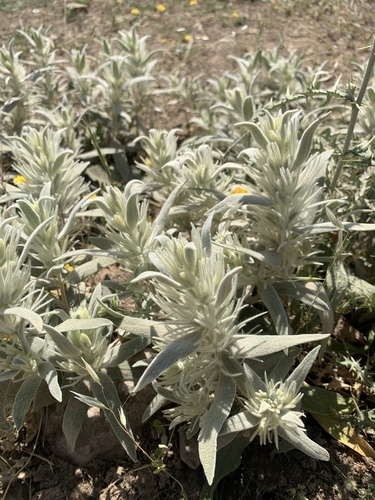
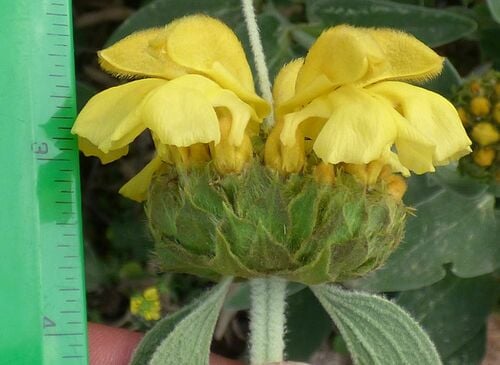
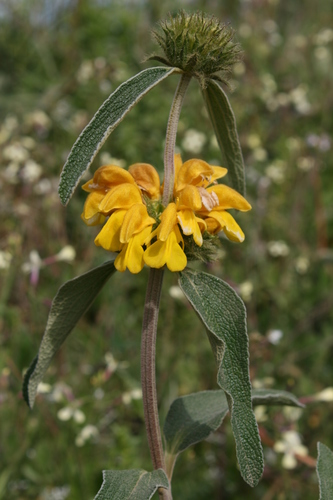
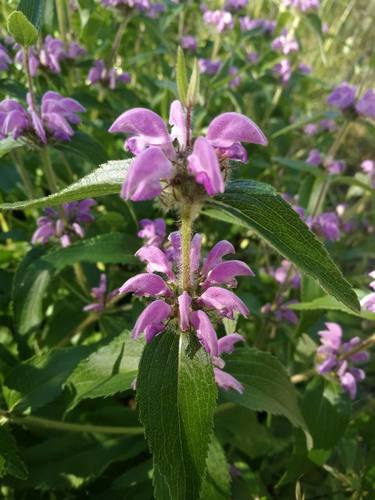
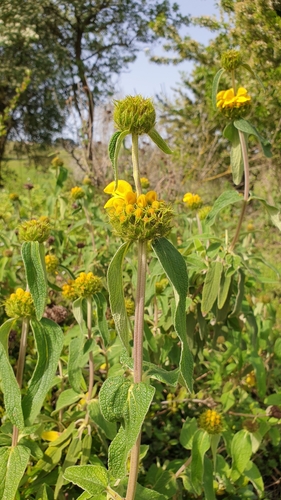
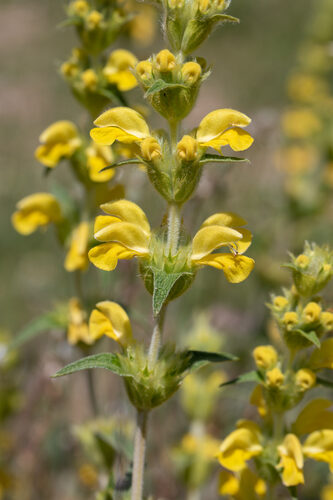
Pycnanthemum muticum
(Michx.) Pers.
Short-toothed mountain mint
iNaturalist· cc0
no rights reserved, uploaded by Mirko Schoenitz
iNaturalist· cc-by-nc
(c) J. Richard Abbott, some rights reserved (CC BY-NC), uploaded by J. Richard Abbott
iNaturalist· cc-by-nc
(c) mmn_noriko, some rights reserved (CC BY-NC), uploaded by mmn_noriko
Summary
Source: WikipediaPycnanthemum muticum commonly known as clustered mountain mint is a plant from the mountain mint genus Pycnanthemum that is native to the eastern United States. It grows in well watered dappled woodlands and meadows in the wild. It is also planted in gardens because it is highly attractive to butterflies and other pollinators.
Description
A hardy perennial growing to 1m tall and 50cm wide, rated to UK zone 5. Flowers bloom August to September and are hermaphroditic, insect-pollinated blooms. The plant thrives in light sandy, medium loamy, and heavy clay soils with mildly acidic, neutral, or basic pH. It tolerates semi-shade or full sun and prefers moist soil conditions.
Edible Uses
The leaves have a pleasant mint-like aroma and flavour. They can be brewed into a refreshing tea or used as a mint substitute in cooking.
Traditional Uses
The leaves can be used to prepare a tea drink.
This uses section is brief — help expand it
Medicinal Uses
None known
Distribution
It is a temperate plant.
Where It Grows
North America, USA,
Propagation
Sow seed in spring or autumn in a cold frame. Prick seedlings into individual pots when large enough to handle and plant out during summer. Where seed is plentiful it can be sown in an outdoor seedbed in April. Divide in spring.
Other Uses
None known Special Uses Scented Plants
Also Known As
Cluster mountain-mint
References (3)
- Facciola, S., 1998, Cornucopia 2: a Source Book of Edible Plants. Kampong Publications, p 133
- Kermath, B. M., et al, 2014, Food Plants in the Americas: A survey of the domesticated, cultivated and wild plants used for Human food in North, Central and South America and the Caribbean. On line draft. p 730
- Syn. pl. 2(1):128. 1806