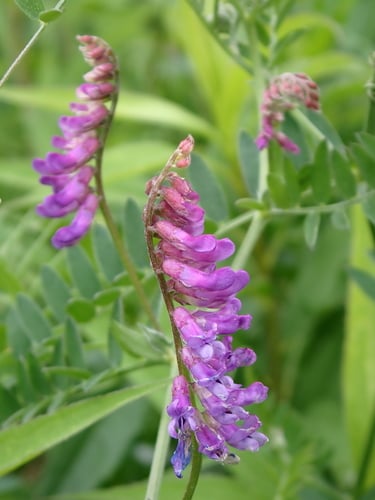
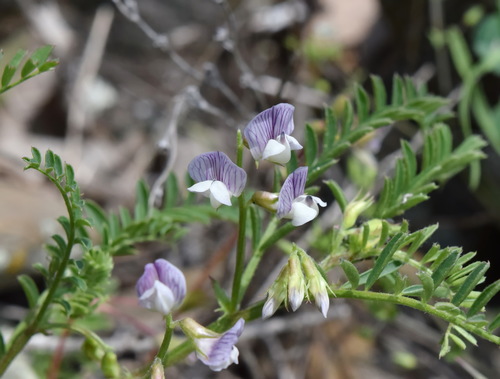
Eysenhardtia polystachya
(Ortega) Sarg.
Arizona kidneywood
iNaturalist· cc-by-nc
(c) javaro, some rights reserved (CC BY-NC), uploaded by javaro
iNaturalist· cc-by-nc
(c) javaro, some rights reserved (CC BY-NC)
Summary
Source: WikipediaEysenhardtia polystachya, the kidneywood, is a tree from Mexico, growing along forest edges and water courses at elevations of 150–3000 m. Previously, it was used as a source of lignum nephriticum.
Description
A warm temperate shrub or tree with white flowers, growing in forest edges and near streams at elevations between 150-3,000 m.
This description is brief — help expand it
Edible Uses
The flowers are cooked and eaten, and are sold in local markets.
Traditional Uses
The flowers are cooked and eaten.
This uses section is brief — help expand it
Medicinal Uses
Eysenhardtia polystachya is commonly used in traditional medicine in Mexico, where in particular it is seen as an excellent medicine for the kidneys and bladder. It is also used as a blood purifier, antitussive, antispasmodic, antidiabetic, febrifuge, anti-inflammatory, anti-rheumatic, and analgesic agent. A decoction of the bark is held to be an excellent medicine for the kidneys and bladder. It is used to treat a wide range of urinary disorders. Regular consumption has been shown to prevent the formation of kidney stones The plant has been shown to have a hypoglycaemic activity. A methanol extract of the leaves contains flavonoids, terpenoids, carbon-carbon double bonds and phenolic compounds. The extract has shown broad-spectrum antibacterial activity, being effective against both Gram-positive and Gram-negative bacteria. An ethanol extract of the bark has been shown to have an effective antiinflammatory and antinociceptive activity and that the extract is not orally toxic. A methanol extract of the bark has been shown to have antioxidant, antidiabetic, and antihyperlipidemic activities.
Distribution
It is a warm temperate plant. It grows in the edges of forests and near streams. It grows between 150-3,000 m above sea level.
Where It Grows
Mexico, North America, USA,
Cultivation
Plants are grown from seeds. The seeds are soaked in water for 24 hours before planting.
Other Uses
A yellowish-brown dye is obtained from the wood. It is used to colour textiles. The bark is a source of tannins. The heartwood is reddish-brown, streaked with black, The texture is rather fine, the grain moderately straight, texture is waxy. The wood is hard, heavy and durable, it takes a fine polish and finishes smoothly. Of rather good quality, but seldom available and then usually only in small pieces. It is used for making small items, particularly cups and other water containers, where it is believed to impart medicinal virtues to the water. The plant has merit for use in erosion control projects. The flowers are a good source of nectar and are relished by bees.
Other Information
Flowers are sold in local markets.
Synonyms
Also Known As
Arbol de palo dulce, Coatillo, Coatl, Cuatle, Palo cuate
References (2)
- Casas, A., et al, 1996, Plant Management Among the Nahua and the Mixtec in the Balsas River Basin, Mexico: An Ethnobotanical Approach to the Study of Plant Domestication. Human Ecology, Vol. 24, No. 4 pp. 455-478 (As sp.)
- Kermath, B. M., et al, 2014, Food Plants in the Americas: A survey of the domesticated, cultivated and wild plants used for Human food in North, Central and South America and the Caribbean. On line draft. p 364