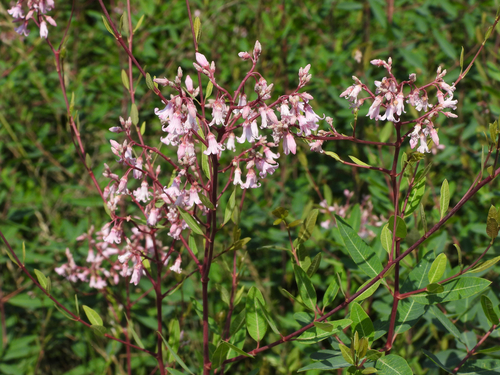
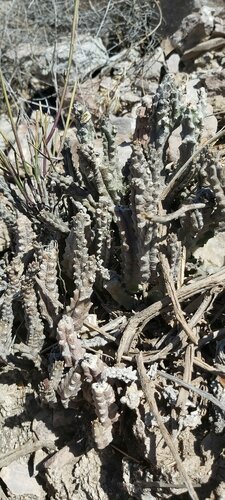
Caralluma quadrangula
(Forssk.) N. E. Brown
iNaturalist· cc-by-nc
(c) Ali Mohammed Alzahrani, some rights reserved (CC BY-NC)
gbif· cc-by-sa
GBIF
gbif· cc-by-sa
GBIF
Description
A succulent herb. It forms clumps 50 cm tall and 50 cm wide. The stems are erect, 4 angled and 1-3 cm across. They are branched. The angles have rounded teeth. The flowers are 1.25 cm across and in groups of 1-3 at the tips of the shoots. The fruit are follicles in pairs and are 8-10 cm long by 0.8 cm wide.
Edible Uses
The stems, flowers, and pods are eaten, though large amounts should be avoided.
Traditional Uses
It probably should not be eaten in large amounts.
This uses section is brief — help expand it
Medicinal Uses
It has anti-diabetic activity.
Distribution
It is a Mediterranean plant. It grows in higher and more arid areas.
Where It Grows
Middle East, Oman, Saudi Arabia, Yemen,
Notes
There are about 56-100 Caralluma species. These are sometimes put in the Asclepiadaceae. It has anti-diabetic activity.
Synonyms
References (2)
- Marwah, R. G., et al, 2006, Antioxidant capacity of some edible and wound healing plants in Oman. Journal of Food Chemistry.
- Miller, A. G., Morris, M. & Stuart-Smith, S., 1988, Plants of Dhofar. The Southern Region of Oman, Traditional, Economic and Medicinal Uses. Sultanate of Oman. p 54