Rosa spinosissima
L.
Spinose rose
iNaturalist· cc-by-nc
(c) Tony Iwane, some rights reserved (CC BY-NC), uploaded by Tony Iwane
iNaturalist· cc-by-nc
(c) Kélian Gautier, some rights reserved (CC BY-NC), uploaded by Kélian Gautier
iNaturalist· cc-by-nc
(c) Aleksandr Ebel, some rights reserved (CC BY-NC), uploaded by Aleksandr Ebel
Description
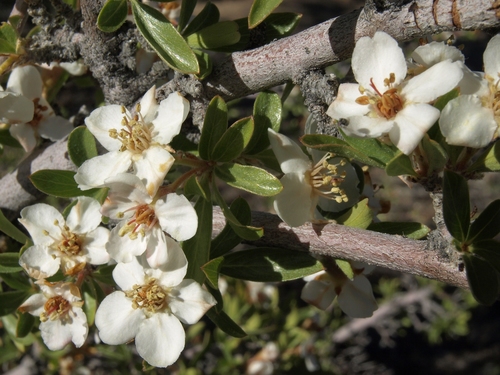
A shrub. It grows up to 2 m high. The branches have many straight thin thorns. The leaves are compound with 5-11 rounded leaflets. The flowers are white or yellow. They occur singly. The fruit are brownish-red to black. The fruit are high in tannin.
Edible Uses
The fruit are eaten fresh or dried, made into jam and drinks. The flower petals are used as a spice for sweets.
Traditional Uses
The fruit are eaten fresh or dried. They are used for jam and drinks. The flower petals are used as a spice for sweets.
This uses section is brief — help expand it
Distribution
It is a temperate plant. In Kazakhstan is grows on mountain slopes. It can grow with fairly low rainfall. It grows in scrubby forest and beside rivers between 1,100-2,300 m above sea level. In Arboretum Tasmania.
Where It Grows
Armenia, Asia, Australia, Caucasus, Central Asia, China, Kazakhstan, Luxembourg, North America, Russia, Siberia, Tasmania, Turkey, Türkiye, USA,
Other Information
It is sold in local markets.
Synonyms
Also Known As
Kara kusburnu, Masreni
References (5)
- Dzhangaliev, A. D., et al, 2003, The Wild Fruit and Nut Plants of Kazakhstan, Horticultural Reviews, Vol. 29. pp 305-371
- Ertug, F, Yenen Bitkiler. Resimli Türkiye Florası -I- Flora of Turkey - Ethnobotany supplement
- Flora of China @ efloras.org Volume 9
- Kermath, B. M., et al, 2014, Food Plants in the Americas: A survey of the domesticated, cultivated and wild plants used for Human food in North, Central and South America and the Caribbean. On line draft. p 755
- Nanagulyan, S., et al, 2020, Wild plants and fungi sold in the markets of Yerevan (Armenia). Journal of Ethnobiology and Ethnomedicine 16:26