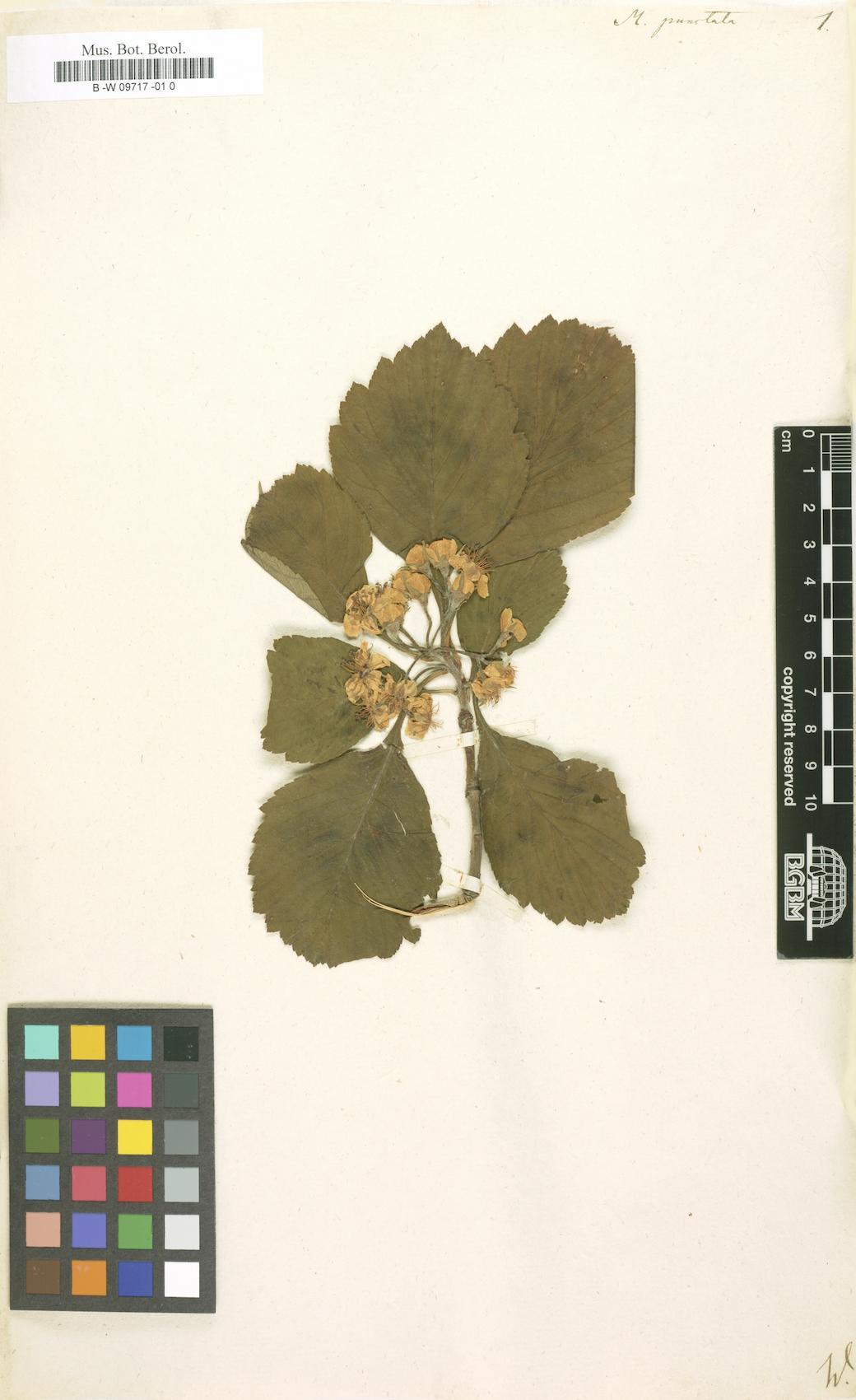
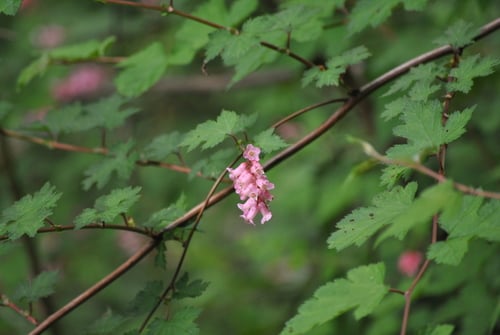
Rosa beggeriana
Schrenk
Begger rose
iNaturalist· cc-by
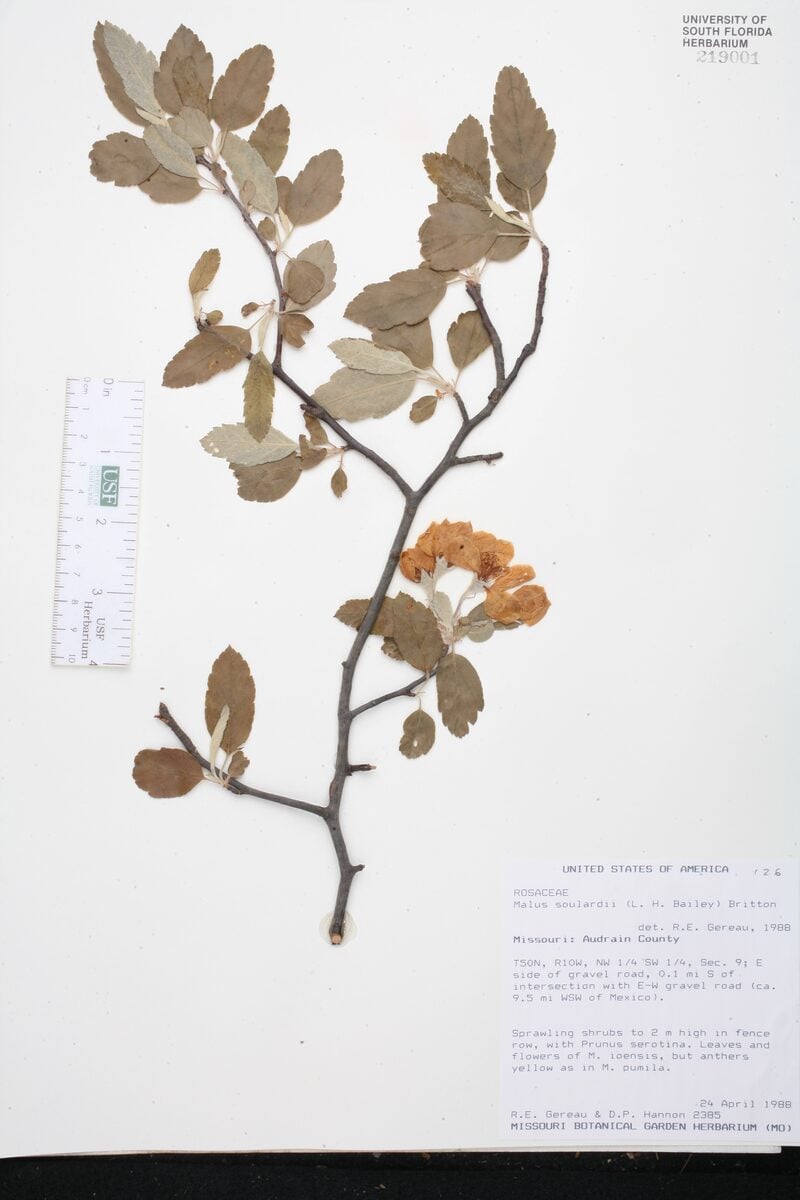
(c) Dmitry Kulakov, some rights reserved (CC BY), uploaded by Dmitry Kulakov
iNaturalist· cc-by-nc
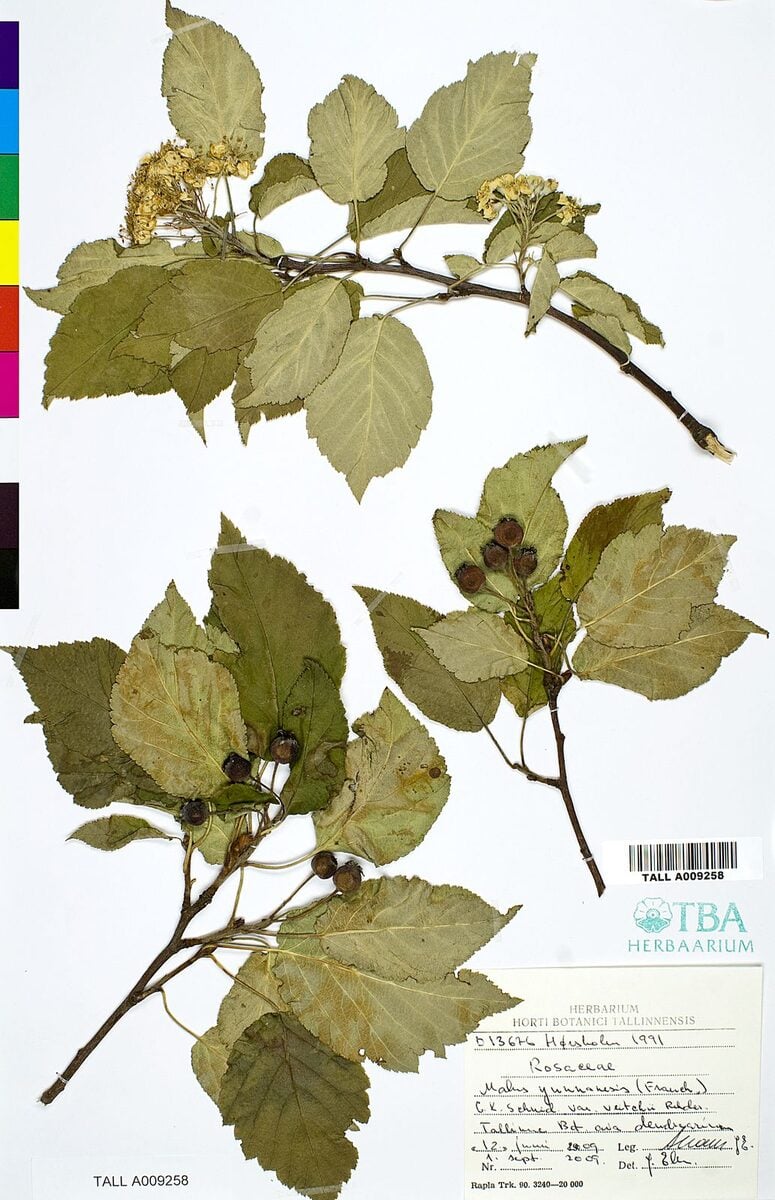
(c) Aleksandr Naumenko, some rights reserved (CC BY-NC), uploaded by Aleksandr Naumenko
iNaturalist· cc-by-nc
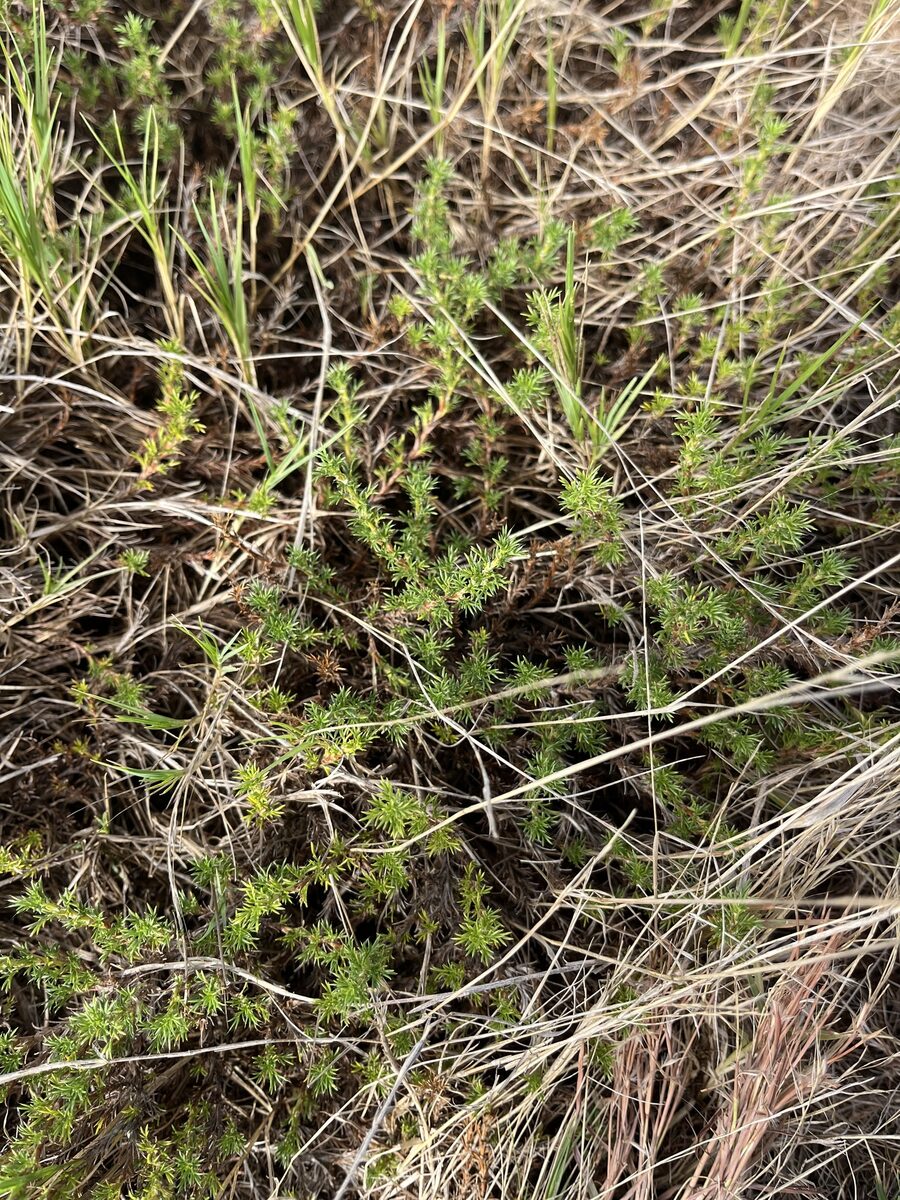
(c) Aleksandr Naumenko, some rights reserved (CC BY-NC), uploaded by Aleksandr Naumenko
Summary
Source: WikipediaRosa beggeriana is a species of rose found in Anatolia, Iran, Afghanistan, Pakistan, all of Central Asia, Xinjiang and Gansu in China, and Mongolia. It is a winter‑hardy rambler, with typically flat white (rarely light pink) flowers, and small red (becoming black‑purple) hips. Its 'Polstjärnan' (polestar) cultivar (of uncertain parentage) is the cold‑hardiest known climbing rose.
Description
A shrub. It grows 3 m high. The branches are bluish. They have large sickle shaped thorns. The leaves have 3-5 leaflets in pairs. These are 3 cm long. The flowers are white and 2-3 cm across. They are in complex groups. The fruit are round and red. They are 4-5 mm across.
Edible Uses
The fruit are eaten and are exceptionally rich in ascorbic acid, containing 7,000-20,000 mg/100 g.
Known Hazards
None mentioned
Distribution
It is a temperate plant. In Kazakhstan it grows on mountain slopes and along rivers and streams. In western China it grows between 900-2,000 m above sea level.
Where It Grows
Afghanistan, Asia, Australia, Central Asia, China, Kazakhstan, Mongolia, Tajikistan,
Notes
The fruit contain 7,000-20,000 mg/100 g of ascorbic acid.
References (4)
- Dzhangaliev, A. D., et al, 2003, The Wild Fruit and Nut Plants of Kazakhstan, Horticultural Reviews, Vol. 29. pp 305-371
- Urgamal, M., Oyuntsetseg, B., Nyambayar, D. & Dulamsuren, Ch. 2014. Conspectus of the vascular plants of Mongolia. (Editors: Sanchir, Ch. & Jamsran, Ts.). Ulaanbaatar, Mongolia. “Admon“ Press. 334pp. (p. 143-158).
- www.efloras.org Flora of China Volume 9
- Zhang, Y. et al, 2020, Characteristics and utilization of plant diversity and resources in Central Asia. Regional Sustainability. Elsevier. p 6