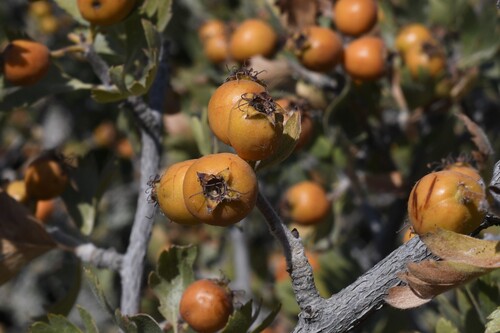
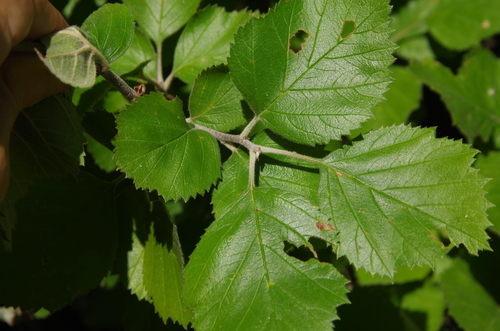
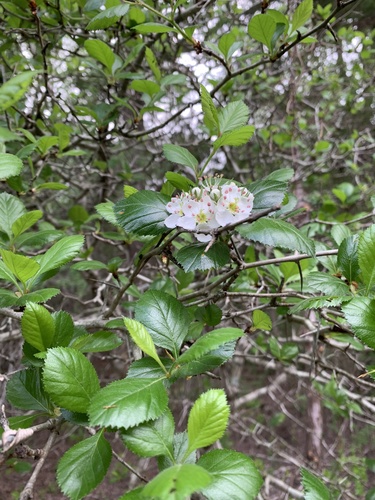
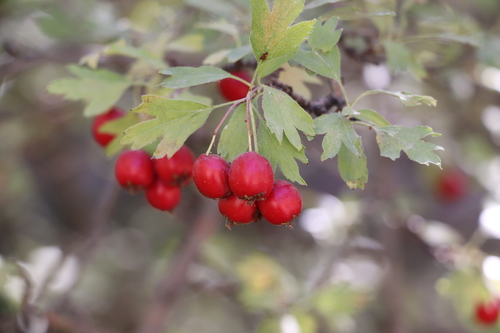
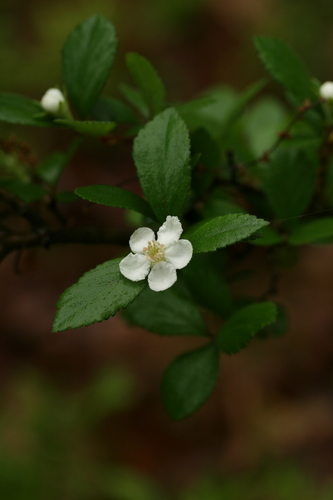
Cerasus angustifolia
(Spach) Browicz
wikimedia· cc-by-sa
Wikimedia Commons - Globetrotter19
wikimedia· cc-by-sa
Wikimedia Commons - Globetrotter19
Description
A tree in the Rosaceae family found in temperate regions.
This description is brief — help expand it
Edible Uses
The fruit is edible.
Known Hazards
Many species are cyanogenic; that is, they contain compounds called cyanogenic glucosides, notably amygdalin, which, on hydrolysis, yield hydrogen cyanide. Although the fruits of some may be edible by humans and livestock (in addition to the ubiquitous fructivory of birds), seeds, leaves and other parts may be toxic, some highly so. The plants contain no more than trace amounts of hydrogen cyanide, but on decomposition after crushing and exposure to air or on digestion, poisonous amounts may be generated. The trace amounts may give a characteristic taste ("bitter almond") with increasing bitterness in larger quantities, less tolerable to people than to birds, which habitually feed on specific fruits.
Distribution
It is a temperate plant.
Where It Grows
Europe, Turkey, Türkiye,
Notes
The name is ambiguous.
Also Known As
Kizil kiraz
References (1)
- Ertug, F, Yenen Bitkiler. Resimli Türkiye Florası -I- Flora of Turkey - Ethnobotany supplement