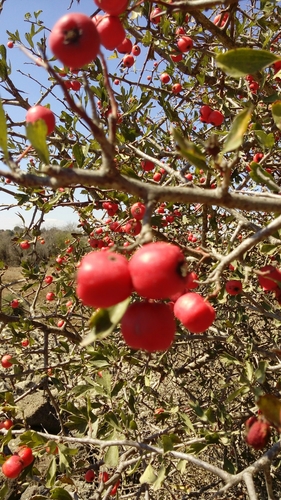
Rosa alberti
Regel
Albert rose
iNaturalist· cc-by-nc
(c) Елана, some rights reserved (CC BY-NC)
iNaturalist· cc-by-nc
(c) Елана, some rights reserved (CC BY-NC)
iNaturalist· cc-by-nc
(c) Елана, some rights reserved (CC BY-NC)
Description
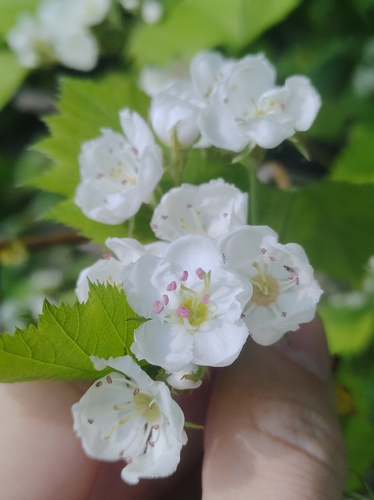
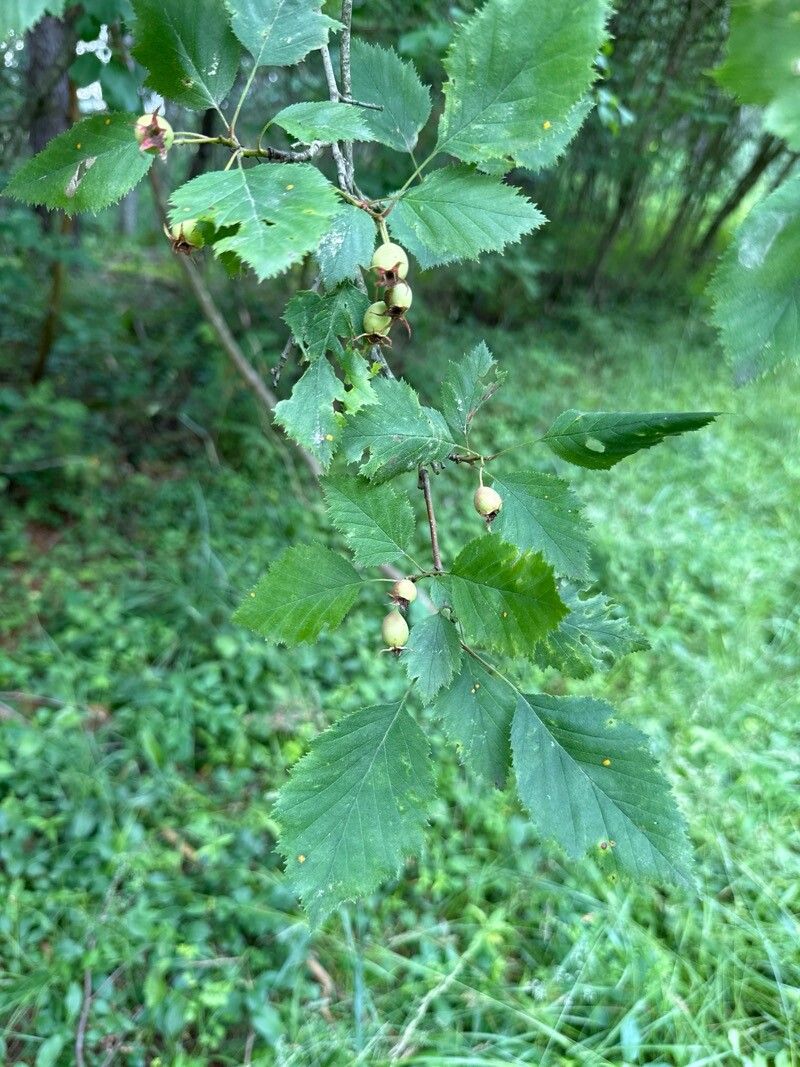
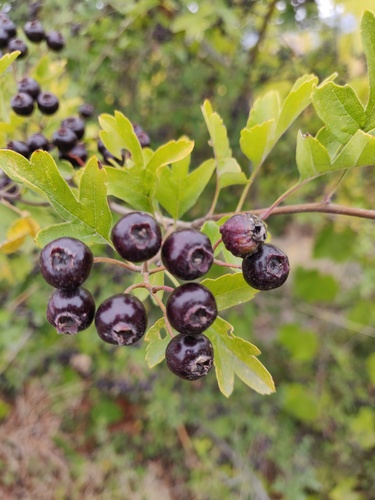
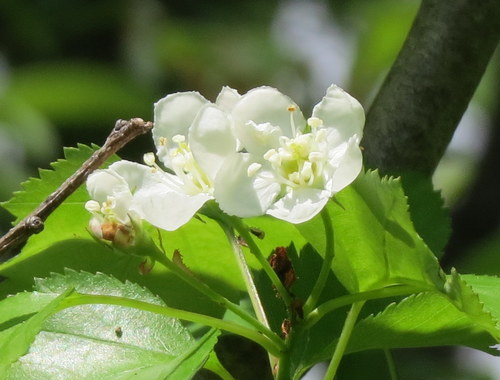
A shrub. It has many branches. It grows 1.5 m high. It has long arching branches. These have thin, short, straight thorns. The leaves are broadly oval. The flowers are white and occur singly. The fruit are orange red. They are 1.5 cm long.
Edible Uses
The fruit are eaten.
Known Hazards
Rosa alberti fruits contain very high vitamin C levels (4,000-20,000 mg/100 g), which may cause gastrointestinal distress if consumed in large quantities.
Distribution
In grows on the edges of forests in the mountains in Kazakhstan. It grows in pine forests in north China between 1,200-2,000 m above sea level.
Where It Grows
Asia, Central Asia, China, Kazakhstan, Mongolia, Russia, Siberia,
Notes
It has between 4,000-20,000 mg/100 g of Vitamin C.
References (4)
- Dzhangaliev, A. D., et al, 2003, The Wild Fruit and Nut Plants of Kazakhstan, Horticultural Reviews, Vol. 29. pp 305-371
- Ryabushkina, N., et al, 2008, Brief Review of Kazakhstan Flora and Use of its Wild Species. The Asian and Australasian Journal of Plant Science and Biotechnology
- Urgamal, M., Oyuntsetseg, B., Nyambayar, D. & Dulamsuren, Ch. 2014. Conspectus of the vascular plants of Mongolia. (Editors: Sanchir, Ch. & Jamsran, Ts.). Ulaanbaatar, Mongolia. “Admon“ Press. 334pp. (p. 143-158).
- www.efloras.org Flora of China Volume 9