Hoodia pilifera
(L. f.) Plowes
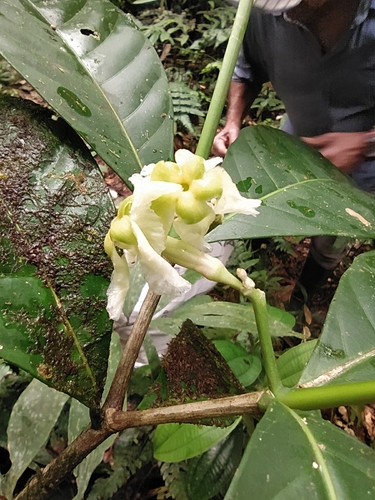
iNaturalist· cc-by-sa
(c) kevin koen, some rights reserved (CC BY-SA)
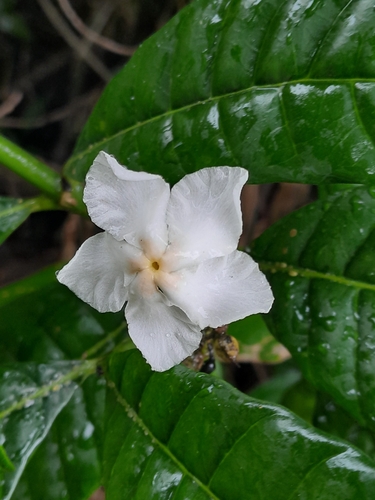
iNaturalist· cc-by-nc
(c) Gerhard Malan, some rights reserved (CC BY-NC)
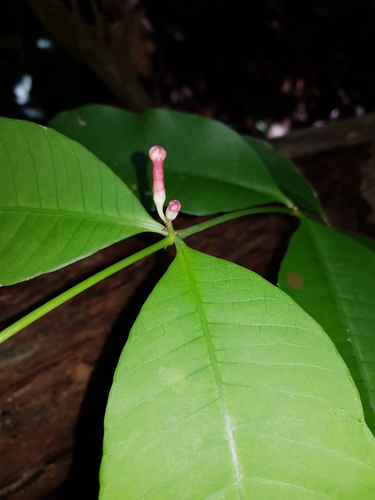
iNaturalist· cc-by-nc
(c) juddkirkel, some rights reserved (CC BY-NC)
Description
Hoodia pilifera is a succulent herb in the Apocynaceae family found in subtropical regions. It can be propagated from seed or cuttings.
This description is brief — help expand it
Edible Uses
The stems are eaten fresh as a snack for their moisture content and appetite-suppressing properties, or made into a sweet preserve. The pods are also edible.
Traditional Uses
The stems are eaten as a snack and for moisture. They are an appetite suppressant. They are used to make a sweet preserve.
This uses section is brief — help expand it
Medicinal Uses
The stems are used as an appetite suppressant.
Distribution
It is a subtropical plant.
Where It Grows
Africa, South Africa, Southern Africa,
Cultivation
Plants can be grown by seed. They can also be grown by cuttings.
Synonyms
References (5)
- Fox, F. W. & Young, M. E. N., 1982, Food from the Veld. Delta Books. p 118 (As Trichocaulon piliferum)
- Grubben, G. J. H. and Denton, O. A. (eds), 2004, Plant Resources of Tropical Africa 2. Vegetables. PROTA, Wageningen, Netherlands. p 330
- Jansen, P.C.M., 2004. Hoodia currorii (Hook.) Decne. [Internet] Record from Protabase. Grubben, G.J.H. & Denton, O.A. (Editors). PROTA (Plant Resources of Tropical Africa), Wageningen, Netherlands. < http://database.prota.org/search.htm>. Accessed 16 October 2009.
- van Wyk, Be., & Gericke, N., 2007, People's plants. A Guide to Useful Plants of Southern Africa. Briza. p 70
- Welcome, A. K. & Van Wyk, B.-E., 2019, An inventory and analysis of the food plants of southern Africa. South African Journal of Botany 122 (2019) 136–179