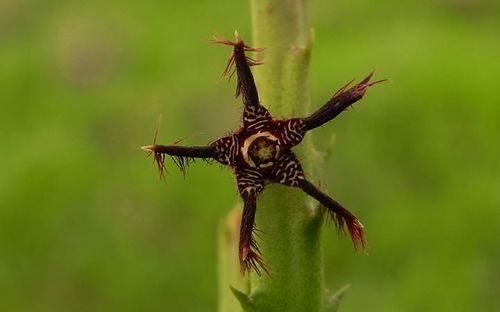
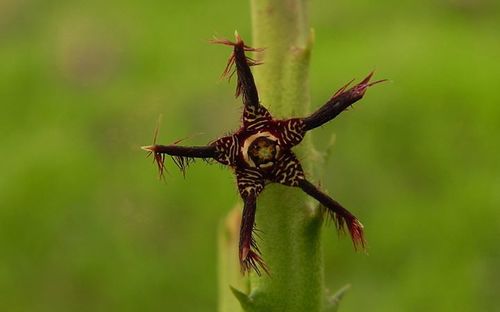
Riocreuxia picta
Schltr.
iNaturalist· cc-by-nc
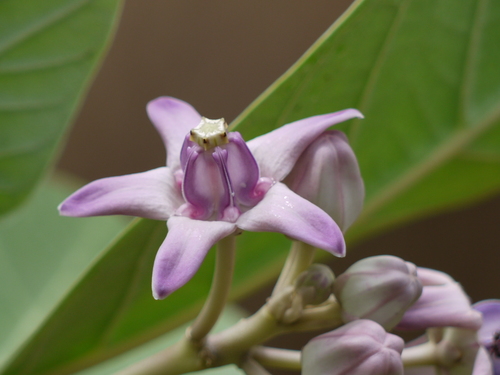
(c) thinus, some rights reserved (CC BY-NC), uploaded by thinus
iNaturalist· cc-by-nc
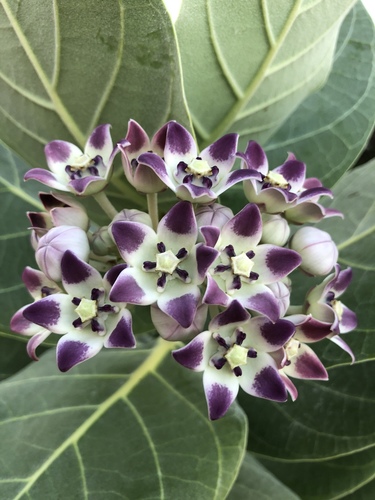
(c) Linda Loffler, some rights reserved (CC BY-NC), uploaded by Linda Loffler
iNaturalist· cc-by-nc
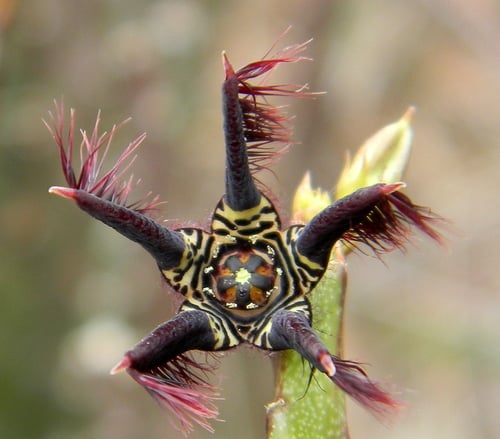
(c) Simon Attwood, some rights reserved (CC BY-NC), uploaded by Simon Attwood
Description
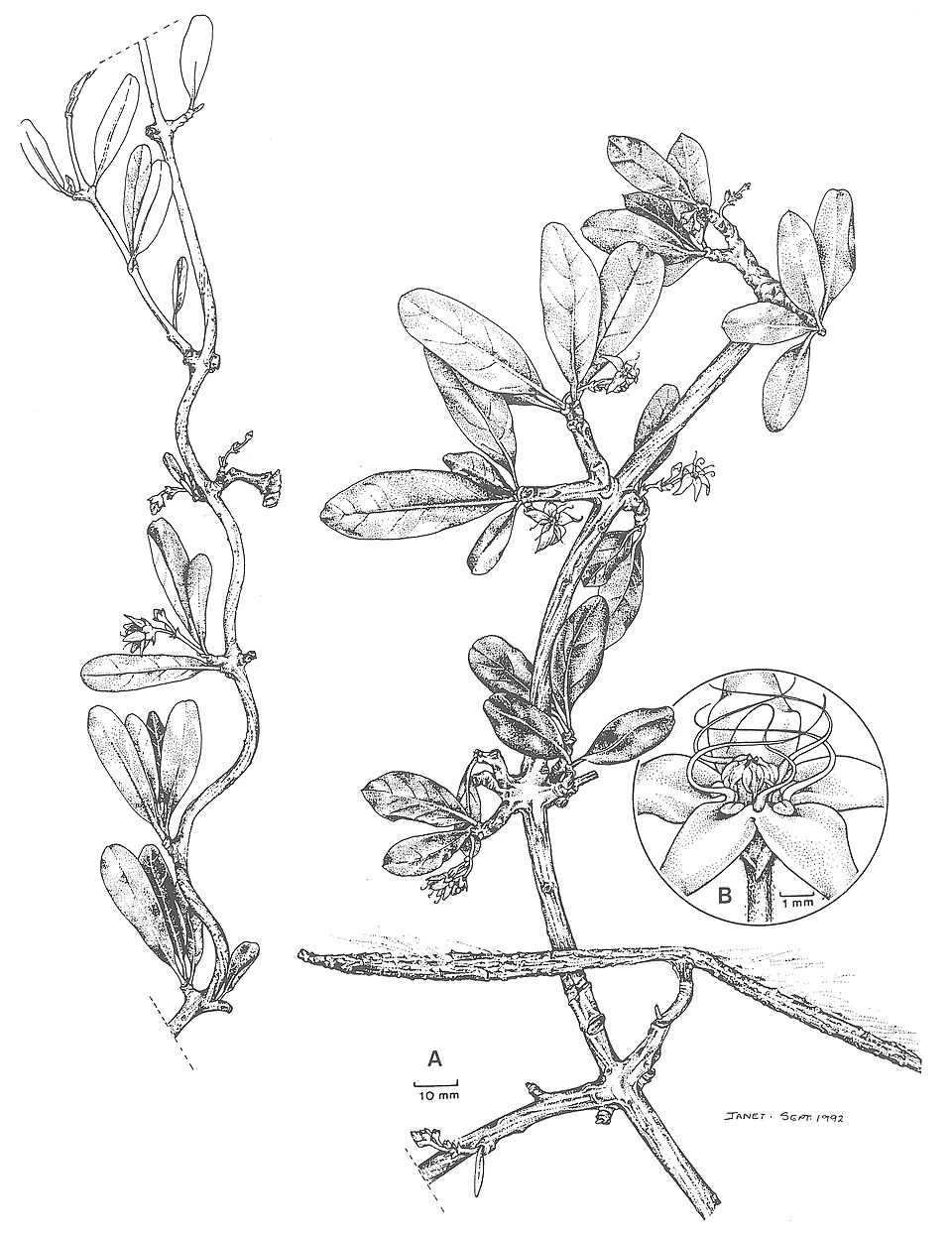
A climber. It keeps growing from year to year. It can be 5 m long. It has a woody rootstock with fleshy side roots. The leaves vary in size. The leaf stalk is 5 cm long. The leaf blade is heart shaped and can be 15 cm long. It tapers to the tip. The flowers are in clusters with 2-3 distant groups. They are purple or brown. The fruit are narrow follicles 10 cm long by 5 mm wide and constricted between the seeds. It tapers to the ends.
Edible Uses
The leaves are cooked and eaten as a spinach.
Traditional Uses
The leaves are cooked and eaten as a spinach.
This uses section is brief — help expand it
Distribution
It is a subtropical plant. It Swaziland it grows in the high veld.
Where It Grows
Africa, East Africa, Eswatini, Lesotho, South Africa, Southern Africa, Swaziland, Zimbabwe,
Synonyms
Also Known As
Berepere, Bwerepwere, Damba, Khethohku-sodi, Umdzandabuka wemahlatsi
References (7)
- Fox, F. W. & Young, M. E. N., 1982, Food from the Veld. Delta Books. p 113
- Long, C., 2005, Swaziland's Flora - siSwati names and Uses http://www.sntc.org.sz/flora/
- Magwede, K., van Wyk, B.-E., & van Wyk, A. E., 2019, An inventory of Vhavenḓa useful plants. South African Journal of Botany 122 (2019) 57–89
- Ogle & Grivetti, 1985,
- Peters, C. R., O'Brien, E. M., and Drummond, R.B., 1992, Edible Wild plants of Sub-saharan Africa. Kew. p 66
Show all 7 references Hide references
- Ruiters-Welcome, A. K., 2019, Food plants of southern Africa. Ph.D. thesis. Univ. of Johannesburg p 27
- Welcome, A. K. & Van Wyk, B.-E., 2019, An inventory and analysis of the food plants of southern Africa. South African Journal of Botany 122 (2019) 136–179