Caesia alpina
Hook. f.
Alpine Grass-lily
iNaturalist· cc-by-sa
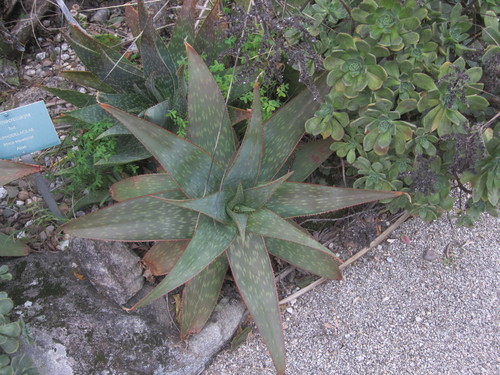
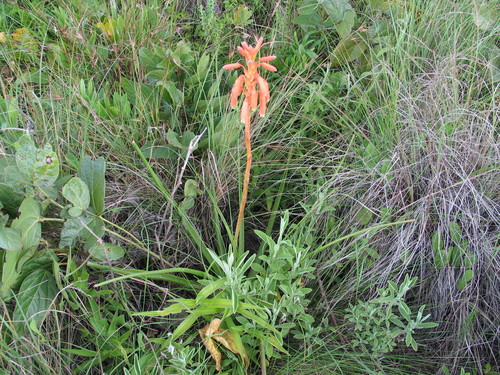
(c) Lachlan Copeland, some rights reserved (CC BY-SA), uploaded by Lachlan Copeland
iNaturalist· cc-by-nc
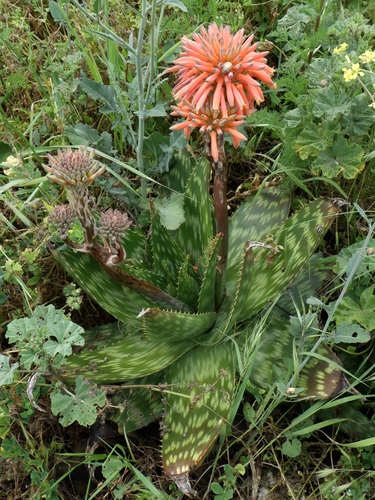
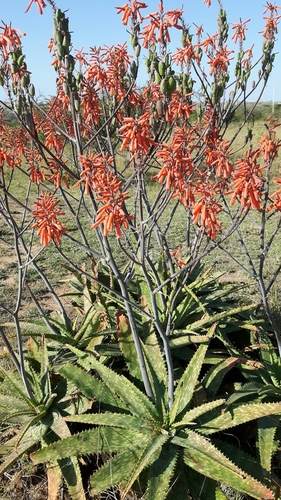
(c) johneichler, some rights reserved (CC BY-NC), uploaded by johneichler
iNaturalist· cc-by-nc
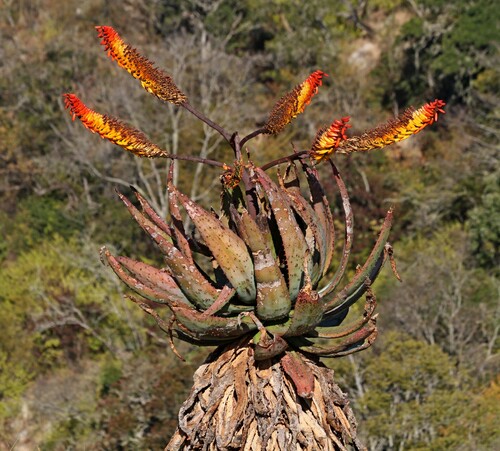
(c) Phil Collier, some rights reserved (CC BY-NC), uploaded by Phil Collier
Description
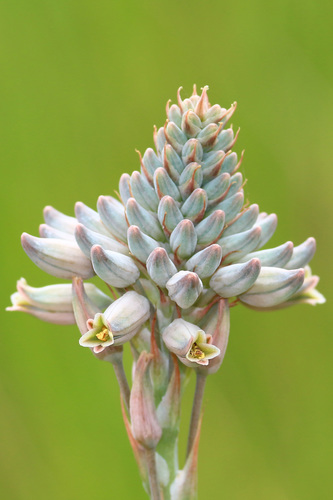
A bulb plant. A grass-like herb. The roots are fleshy to fibrous. It grows 10-20 cm high and 10-20 cm wide. The leaves are 20 cm long and narrow. The flowers are 1.2 cm across. They are on very short stalks in small clusters. They are yellowish-green. The fruit is a capsule about 0.7 cm across. It has lobes.
Edible Uses
The tubers and roots are eaten.
Distribution
It is a temperate plant. It grows in alpine regions. They need moist but fairly well drained soil.
Where It Grows
Australia*, Tasmania*,
Cultivation
Plants can be grown from seed.
Notes
There are 7 Caesia species. It has also been put in the family Liliaceae and Anthericaceae.
Synonyms
References (6)
- Cherikoff V. & Isaacs, J., The Bush Food Handbook. How to gather, grow, process and cook Australian Wild Foods. Ti Tree Press, Australia p 151
- Curtis, W.M., & Morris, D.I., 1994, The Student's Flora of Tasmania. Part 4B St David's Park Publishing, Tasmania, p 386
- Elliot, W.R., & Jones, D.L., 1982, Encyclopedia of Australian Plants suitable for cultivation. Vol 2. Lothian. p 401
- Lim, T. K., 2015, Edible Medicinal and Non Medicinal Plants. Volume 9, Modified Stems, Roots, Bulbs. Springer p 19
- Steenbeeke, Greg as part of the Plants Directory project. List of plant species from northern NSW that may be used as food plants p 12
Show all 6 references Hide references
- Tasmanian Herbarium Vascular Plants list p 69