Diplotaxis harra
(Forssk.) Boiss.
Hara
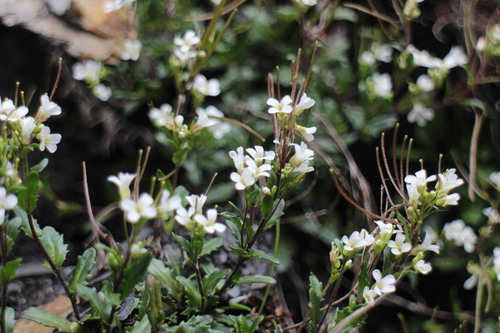
iNaturalist· cc-by-nc
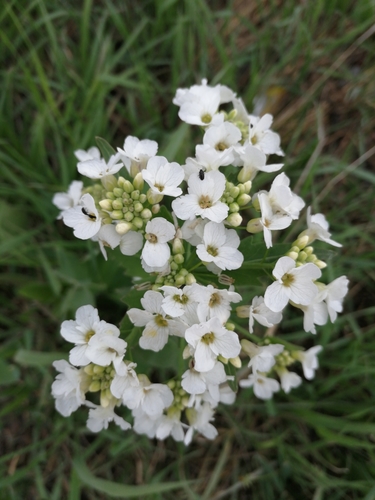
(c) Rebbas, some rights reserved (CC BY-NC), uploaded by Rebbas
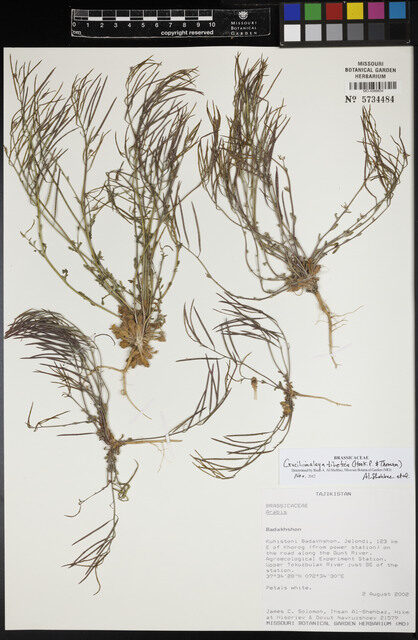
iNaturalist· cc-by-nc-sa
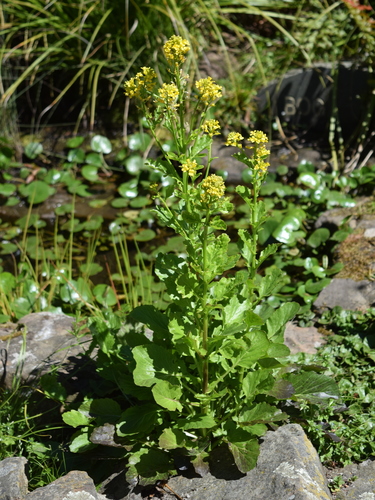
(c) Tamsin Carlisle, some rights reserved (CC BY-NC-SA)
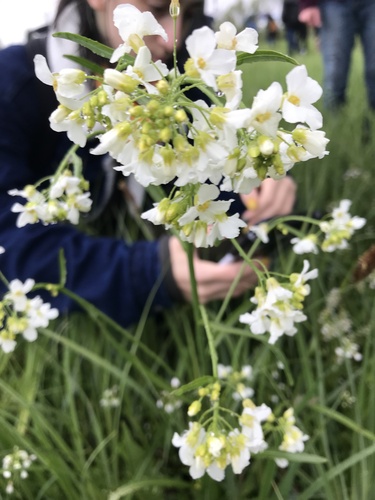
iNaturalist· cc-by-nc
(c) asalsaidi, some rights reserved (CC BY-NC)
Description
An annual cabbage family herb. It grows 20-60 cm tall. The leaves are broadly oval. The flowers are yellow.
This description is brief — help expand it
Edible Uses
The leaves are cooked to prepare special sauces. The seeds are used as a spice. Flowers, leaves, and seeds are all edible.
Traditional Uses
The leaves are cooked to prepare special sauces. The seeds are used as a spice,
This uses section is brief — help expand it
Distribution
It is a Mediterranean plant. It grows in the Sahara and arid regions.
Where It Grows
Africa, Algeria, Asia, Egypt - Sinai, Iran, Iraq, Israel, Italy, Jordan, Kuwait, Mediterranean, Middle East, Morocco, North Africa, Pakistan, Sahara, Sicily, Sinai, Syria, Tunisia,
Synonyms
Also Known As
Cheryat, Harra, Lharra
References (10)
- Bailey, C. and Danin, A., 1981, Bedouin Plant Utilization in Sinai and the Negev. Economic Botany 35(2): 145-162
- Ben Ismail, H., 2013, Edible Wild Vegetables Used in North West of Tunisia. PARIPEX - Indian Journal of Reearch 2(9) :219-221
- Dop, M. C., et al, 2019, Identification and frequency of consumption of wild edible plants over a year in central Tunisia: a mixed-methods approach. Public Health Nutrition: 23(5), 782–794
- Jardin, C., 1970, List of Foods Used In Africa, FAO Nutrition Information Document Series No 2.p 75 (As Diplotaxis pendula)
- Licata, M., et al, 2016, A survey of wild plant species for food use in Sicily (Italy) – results of a 3-year study in four Regional Parks. Journal of Ethnobiology and Ethnomedicine 12:12
Show all 10 references Hide references
- Martin, F.W. & Ruberte, R.M., 1979, Edible Leaves of the Tropics. Antillian College Press, Mayaguez, Puerto Rico. p 188 As Diplotaxis pendula)
- Middleditch, B. S., 1991, Kuwaiti Plants: Distribution, Traditional Medicine, Phytochemistry, Pharmacology and Economic Value. Studies in Plant Science, 2. Elsevier p 28 As Diplotaxis pendula)
- Nassif, F., & Tanji, A., 2013, Gathered food plants in Morocco: The long forgotten species in Ethnobotanical Research. Life Science Leaflets 3:17-54
- Oran, S. A. S., 2015, Selected Wild Aromatic Plants in Jordan. International Journal of Medicinal Plants. Photon 108 (2015) 686-699
- Rivera, D. et al, 2006, Gathered Mediterranean Food Plants - Ethnobotanical Investigations and Historical Development, in Heinrich M, Müller WE, Galli C (eds): Local Mediterranean Food Plants and Nutraceuticals. Forum Nutr. Basel, Karger, 2006, vol 59, pp 18–74