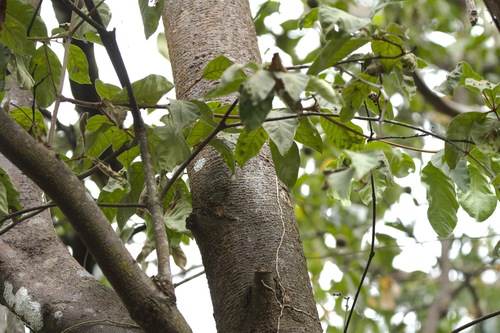
Coussarea brevicaulis
Krause
Supinim, Shortstalk coussarea
gbif· cc-by-nc
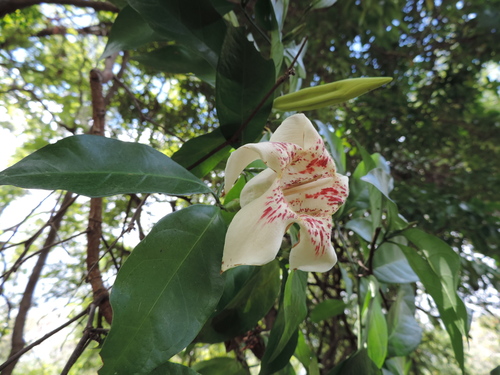
C. Dennis : Field Museum of Natural History - Botany Department
gbif· cc-by-nc
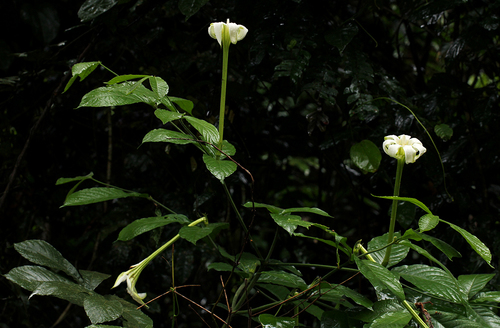
C. Dennis : Field Museum of Natural History - Botany Department
gbif· cc-by-nc
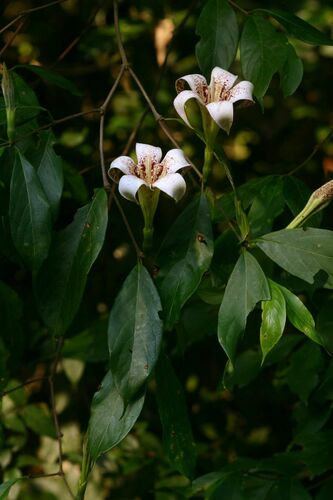
Chloe Takala : Field Museum of Natural History - Department of Zoology
Description
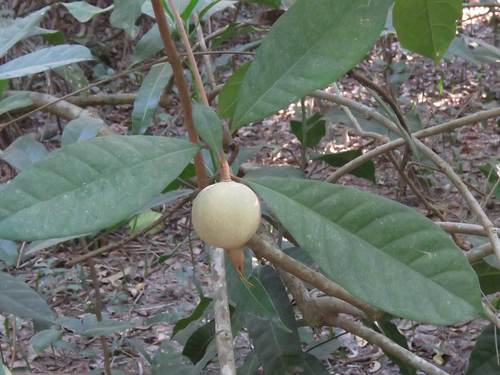
A tropical shrub or small tree in the Rubiaceae family, typically reaching 3 meters in height, with distinctive yellow fruit.
This description is brief — help expand it
Edible Uses
The ripe fruit are eaten raw. The leaves are also edible.
Traditional Uses
The ripe fruit are eaten raw.
This uses section is brief — help expand it
Known Hazards
The stems contain a chemical used as a fertility drug; use caution as some parts of the plant are used medicinally.
Distribution
It is a tropical plant.
Where It Grows
Amazon, Bolivia, Brazil, Colombia, Ecuador, Peru, South America*, Venezuela,
Notes
Caution: Some part of the plant is used as a medicine. The stems have a chemical used as a fertility drug.
Also Known As
Bacuri, Casca-doce, MIshki muyu, Nankaya supinim, Omancomo, Puma sananzo, Shunku panka, Sita pipi, Supinin, Supi numi, Tite ahue
References (8)
- Daly, D. C., An Index of Common Names of Plants in Acre, Brazil. New York Botanical Garden Universidade Federal do Acre.
- Grandtner, M. M. & Chevrette, J., 2013, Dictionary of Trees, Volume 2: South America: Nomenclature, Taxonomy and Ecology. Academic Press p 171
- Kermath, B. M., et al, 2014, Food Plants in the Americas: A survey of the domesticated, cultivated and wild plants used for Human food in North, Central and South America and the Caribbean. On line draft. p 273
- Lopez-Diago, D. & Garcia, N., 2021, Wild edible fruits of Colombia. Biota ColomBiana 22 (2) p 49
- Roa, J. A. G. & Boada, D. S. G., 2018, Fundación para el Fortalecimiento de la Fruticultura y Plantas Alimenticias no Convencionales en Colombia.
Show all 8 references Hide references
- Torre, de la, L., et al, 2008, Enciclopedia de las Plantas Útiles del Ecuador. Herbario QCA. Pontificia Universidad Católica del Ecuador. p 543
- Van den Eynden, V., et al, 2003, Wild Foods from South Ecuador. Economic Botany 57(4): 576-603
- Van den Eynden, V., & Cueva, E., 2008, Las plantas en la alimentacion. Enciclopedia de las Plantas Utiles del Ecuador. Herbario QCA & Herbario AAU. Quito & Aarhus. 2008: 62–66