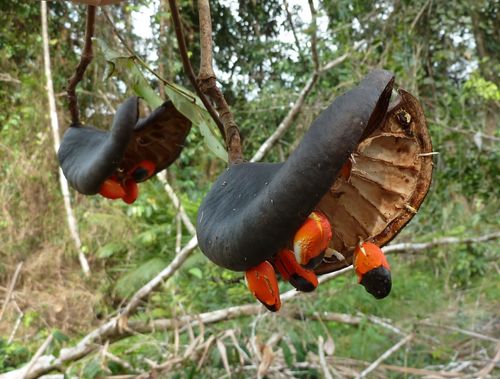
Vachellia macracantha
(Humb. & Bonpl. ex Willd.) Seigler & Ebinger
Faique, Porknut
iNaturalist· cc-by-nc-sa
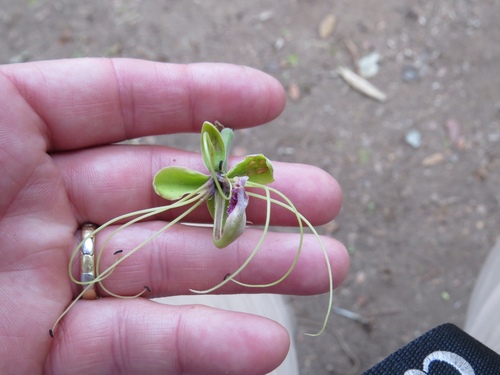
(c) Humberto Balcazar, some rights reserved (CC BY-NC-SA), uploaded by Humberto Balcazar
iNaturalist· cc-by-nc
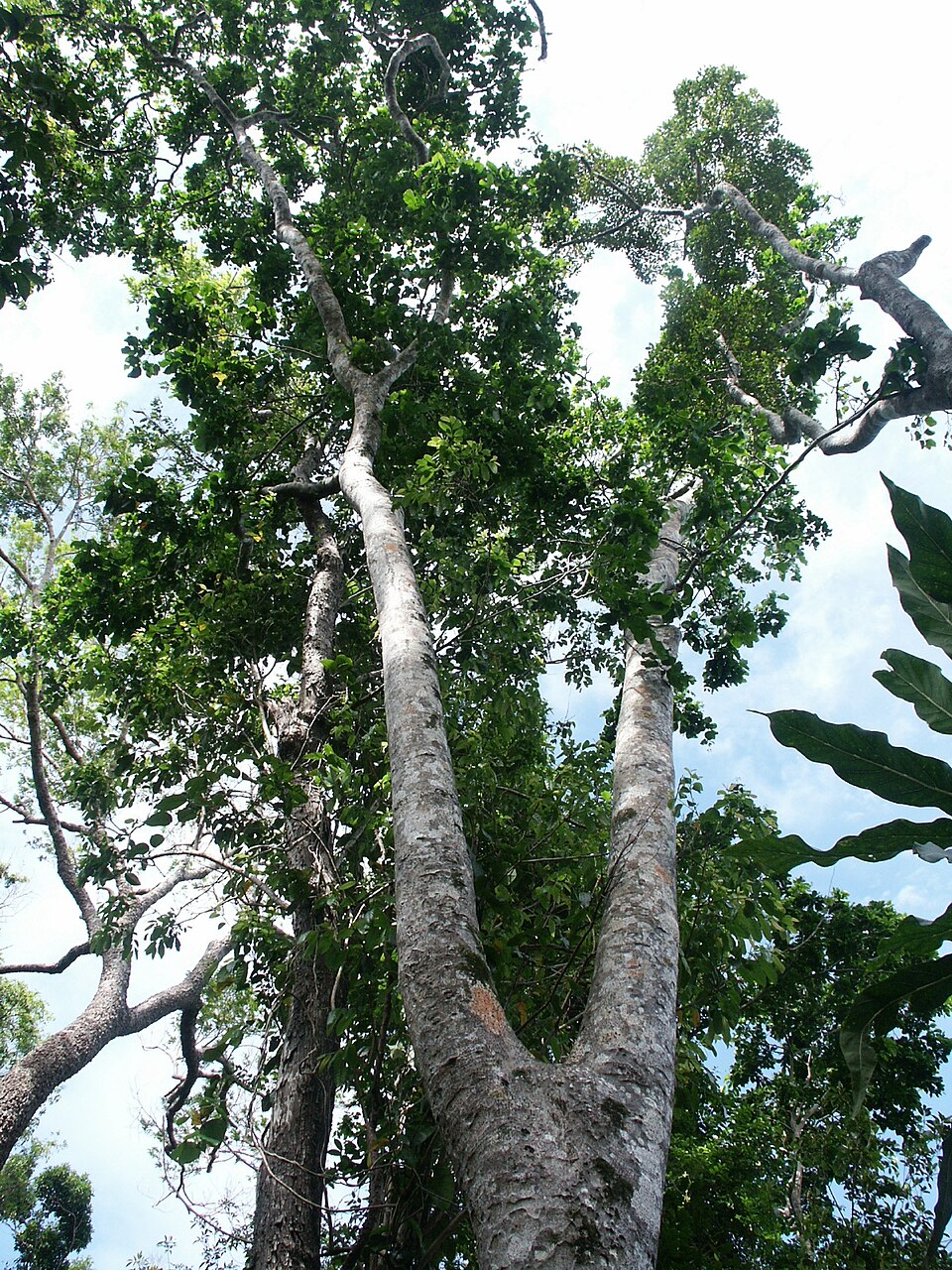
(c) Christine Delbouis, some rights reserved (CC BY-NC)
iNaturalist· cc-by-nc
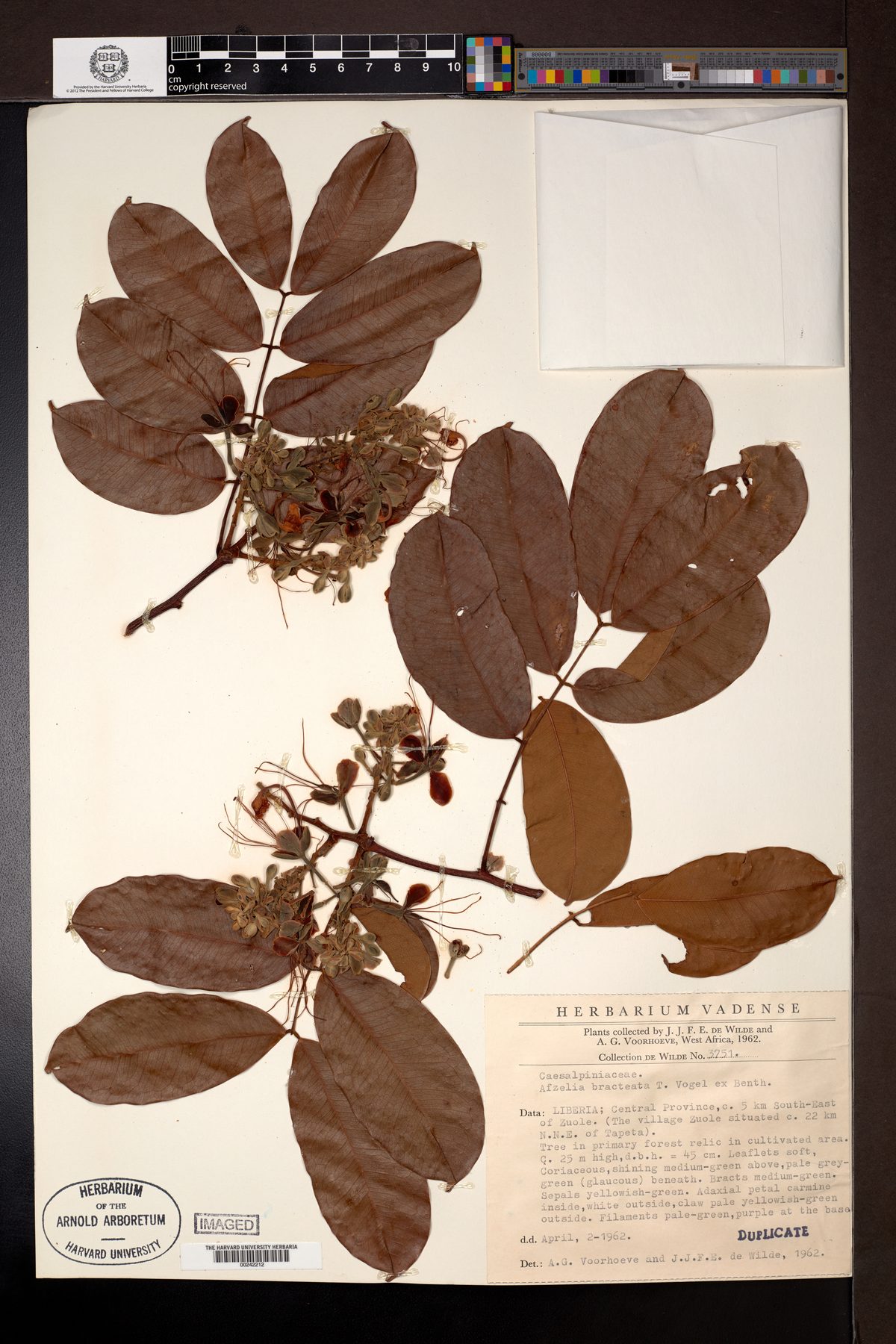
(c) Christine Delbouis, some rights reserved (CC BY-NC)
Summary
Source: WikipediaVachellia macracantha is a species of tree in the family Fabaceae. Its native range spans from southern Florida to South America.
Description
A small tree. It grows 10 m tall. It varies a lot. It has large spines on the branches. The crown is flat. The leaves are alternate and have leaflets along the stalk. The flowers have 5 small petals and long yellow stamens. They are arranged in round clusters. The fruit is a brown pod with brown seeds.
Edible Uses
The unripe fruit pods are cooked and eaten in salads.
Traditional Uses
The unripe fruit are cooked and then eaten in salads.
This uses section is brief — help expand it
Medicinal Uses
A decoction of tThe mature bark is drunk and applied topically in the treatment of conjunctivitis and kidney problems. The bark of all Acacia species contains greater or lesser quantities of tannins and are astringent. Astringents are often used medicinally - taken internally, for example. they are used in the treatment of diarrhoea and dysentery, and can also be helpful in cases of internal bleeding. Applied externally, often as a wash, they are used to treat wounds and other skin problems, haemorrhoids, perspiring feet, some eye problems, as a mouth wash etc. Many Acacia trees also yield greater or lesser quantities of a gum from the trunk and stems. This is sometimes taken internally in the treatment of diarrhoea and haemorrhoids.
Known Hazards
Vachellia macracantha specimens are usually cyanogenic (capable of producing the toxin hydrogen cyanide). Eightynine percent of specimens from Mexico and Central America were found to be cyanogenic, whilst 91% of specimens examined from South America tested positive for cyanide, usually strongly so. The compound proacacipetalin is responsible for this activity
Distribution
It is a tropical plant. In Ecuador it grows between sea level and 3,100 m above sea level. It grows in dry forests.
Where It Grows
Bolivia, Colombia, Ecuador*, Guiana, Guyana, Haiti, Mexico, Puerto Rico, North America, South America, USA, Venezuela, West Indies,
Cultivation
A very variable species, leading to many synonyms being given to plants that were originally thought to be distinct. Vachellia macracantha occasionally hybridizes in the wild with Vachellia cochliacantha and with Vachellia pennatula. This species has a symbiotic relationship with certain soil bacteria, these bacteria form nodules on the roots and fix atmospheric nitrogen. Some of this nitrogen is utilized by the growing plant but some can also be used by other plants growing nearby.
Propagation
The seed of most, if not all, members of this genus has a hard seedcoat and may benefit from scarification before sowing to speed up germination. This can usually be done by pouring a small amount of nearly boiling water on the seeds (being careful not to cook them!) and then soaking them for 12 - 24 hours in warm water. By this time they should have imbibed moisture and swollen - if they have not, then carefully make a nick in the seedcoat (being careful not to damage the embryo) and soak for a further 12 hours before sowing. Acacia seeds that have matured fully on the bush and have been properly dried have a hard seed coat and can be stored in closed containers without deterioration for 5 - 10 years or more in dry conditions at ambient temperatures. It is best to remove the aril, which attracts weevils and can lead to moulds forming. The arils are easilyremoved by placing the seeds in water and rubbing them between the hands, then drying the seeds and winnowing them.
Other Uses
Tannins are obtained from the bark. The wood is used for fuel. Vachellia macracantha is used as an auxiliary plant in timber plantations of tropical South America.
Notes
There are about 1,350 Acacia species. Over 1,000 occur in Australia. Also as Mimosaceae.
Synonyms
Also Known As
Algabarrobo, Aromo, Aromo vilca, Chinchin, Espino, Faique, Guarango
References (4)
- Plants of Haiti Smithsonian Institute http://botany.si.edu/antilles/West Indies
- Roa, J. A. G. & Boada, D. S. G., 2018, Fundación para el Fortalecimiento de la Fruticultura y Plantas Alimenticias no Convencionales en Colombia.
- Torre, de la, L., et al, 2008, Enciclopedia de las Plantas Útiles del Ecuador. Herbario QCA. Pontificia Universidad Católica del Ecuador. p 330 (As Acacia)
- Van den Eynden, V., et al, 2003, Wild Foods from South Ecuador. Economic Botany 57(4): 576-603