Vasconcellea palandensis
(Badillo, et al) V. Badillo
Papaillo
iNaturalist· cc-by-nc
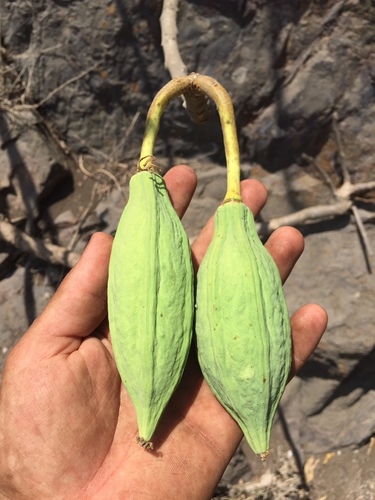
(c) Daniel Hualpa, some rights reserved (CC BY-NC), uploaded by Daniel Hualpa
iNaturalist· cc-by-nc
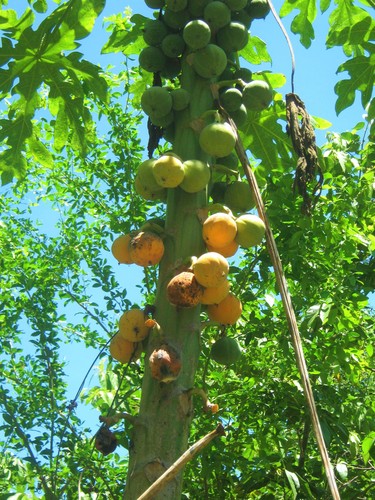
(c) Angel Mario Hualpa Erazo, some rights reserved (CC BY-NC)
Summary
Source: WikipediaVasconcellea palandensis is a species of plant in the family Caricaceae. It is endemic to Ecuador. Its natural habitat is subtropical or tropical moist montane forest. It is threatened by habitat loss. It was previously placed in genus Carica.
Description
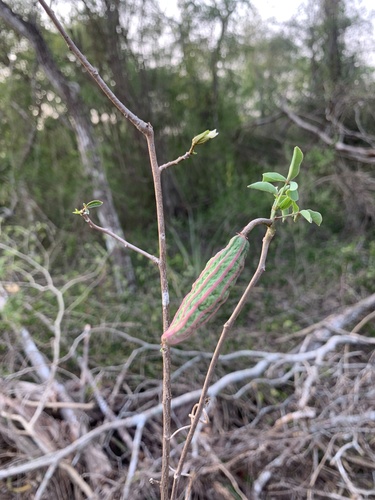
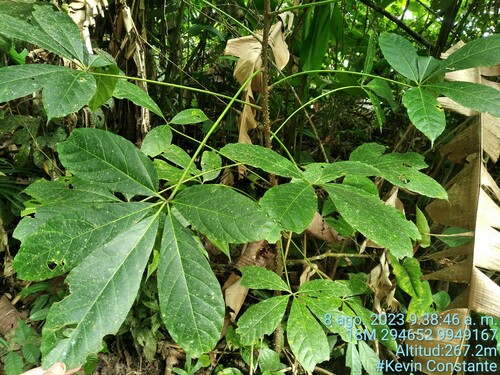
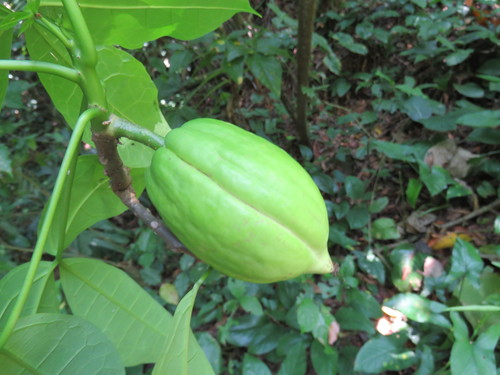
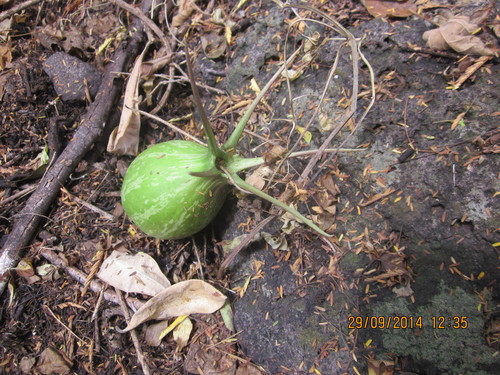
A small tropical tree in the Caricaceae family with separate male and female plants, compound leaves of 5–9 leaflets, and fruits 7–8 cm across carried along the trunk, with seeds arranged in 5 groups surrounded by pulp.
Edible Uses
Fruit - raw. The sweet pulp surrounding the seeds is eaten by putting the whole mass of seeds and pulp into the mouth, sucking and then spitting the seeds out. The seeds and pulp can also be mixed with water and sugar, stirred and then strained to make a fruity drink. The yellow-orange, subglobose fruit is up to 85mm in diameter.
Traditional Uses
The fruit pulp is eaten raw. They are also cooked. They can be used for a drink.
This uses section is brief — help expand it
Distribution
S. America - Ecuador.
Where It Grows
Fruit, Seeds,
Propagation
Seed - sow in individual containers or in a nursery seedbed in light shade. Germination can be slow and difficult, taking about 30 days. Seedlings can be planted out when 4 - 6 months old.
Other Information
Caricaceae
Notes
A small tree. Plants are separately male and female. The leaves are compound and there are 5-9 leaflets like the fingers on a hand. The fruit are carried along the trunk. The fruit are 7-8 cm across. The seeds are arranged in 5 groups. There is pulp around each group of seeds.
Synonyms
References (9)
- Badillo, V.M., V. Van den Eynden and P. Van Damme. 2000. Carica palandesis (Caricaceae), a new species from Ecuador. Novon, 10: 4-6.
- Badillo, V.M. 2001. Nota correctiva Vasconcellea St. Hill. Y no Vasconcella (Caricaceae). Ernstia, 11(1): 75-76.
- Badillo, V.M. 2000. Carica L. vs. Vasconcella St.-Hil. (Caricaceae) con la rehabilitación de este último. Ernstia, 10 (2): 74-79.
- Grandtner, M. M. & Chevrette, J., 2013, Dictionary of Trees, Volume 2: South America: Nomenclature, Taxonomy and Ecology. Academic Press p 686
- Kermath, B. M., et al, 2014, Food Plants in the Americas: A survey of the domesticated, cultivated and wild plants used for Human food in North, Central and South America and the Caribbean. On line draft. p 902
Show all 9 references Hide references
- Torre, de la, L., et al, 2008, Enciclopedia de las Plantas Útiles del Ecuador. Herbario QCA. Pontificia Universidad Católica del Ecuador. p 276
- Van den Eynden, V., E. Cueva and O. Cabrera. 1999. Plantas silvestres comestibles del sur del Ecuador – Wild edible plants of southern Ecuador. Ediciones Abya-Yala, Quito, Ecuador.
- Van den Eynden, V., et al, 2003, Wild Foods from South Ecuador. Economic Botany 57(4): 576-603
- Van den Eynden, V., 2004, Use and Management of edible non-crop plants in southern Ecuador. Ph. D. dissertation Faculty of Agricultural and Applied Biological Sciences, Belgium, 246pp