Anthurium sagittatum
(Sims) G. Don
Shiniumas
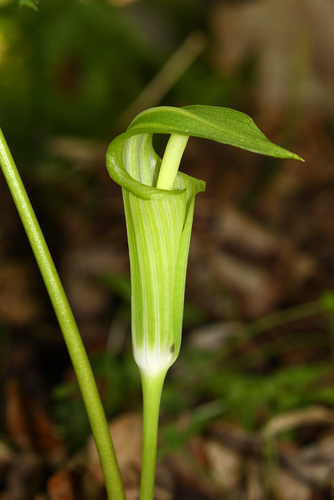
iNaturalist· cc-by-nc
(c) accidentalshrike, some rights reserved (CC BY-NC), uploaded by accidentalshrike
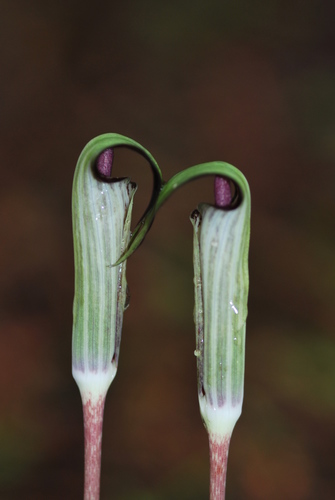
iNaturalist· cc-by
(c) Kristof Zyskowski, some rights reserved (CC BY), uploaded by Kristof Zyskowski
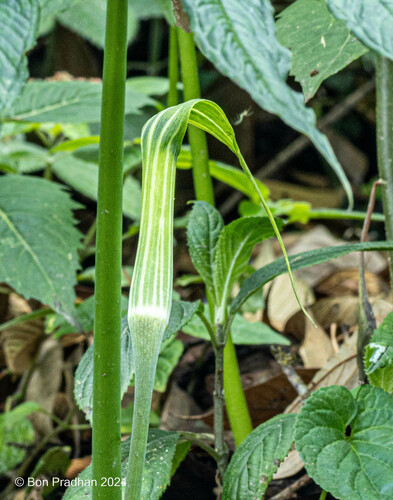
iNaturalist· cc-by-nc
(c) Julien Piolain, some rights reserved (CC BY-NC)
Description
A taro family herb. The leaves are large and heart shaped or arrow shaped. The leaves are covered with short, fine silky hairs giving it a velvety appearance. The leaf stalks are D shaped. The flower has a leafy layer wrapped around it.
Edible Uses
The leaves are cooked and eaten, and also used as a flavouring.
Traditional Uses
The leaves are cooked and eaten and also used as a flavouring.
This uses section is brief — help expand it
Distribution
It is a tropical plant. It grows between 100-1,500 m above sea level. It is often in shady damp places.
Where It Grows
Central America, Colombia, Ecuador, Guianas, Guyana, Panama, South America, Suriname,
Synonyms
Also Known As
Shinumas
References (5)
- Caballero-Serrano, V., et al, 2019, Traditional ecological knowledge and medicinal plant diversity in Ecuadorian Amazon home gardens. Global Ecology and Conservation 17 (2019) e00524 p 8 (As Anthurium rubrinervium)
- Kermath, B. M., et al, 2014, Food Plants in the Americas: A survey of the domesticated, cultivated and wild plants used for Human food in North, Central and South America and the Caribbean. On line draft. p 76 (As Anthurium rubrinervium)
- Kew Plants of the World onLine
- Torre, de la L., et al, 2008, Enciclopedia de las Plantas Útiles del Ecuador. Herbario QCA. Pontificia Universidad Católica del Ecuador. p 181 (As Anthurium rubrinervium)
- Van den Eynden, V., et al, 2003, Wild Foods from South Ecuador. Economic Botany 57(4): 576-603 (As Anthurium rubrinervium)