Cibotium barometz
(L.) J. Sm.
Golden chicken fern, Golden lamb fern
iNaturalist· cc-by-nc-sa
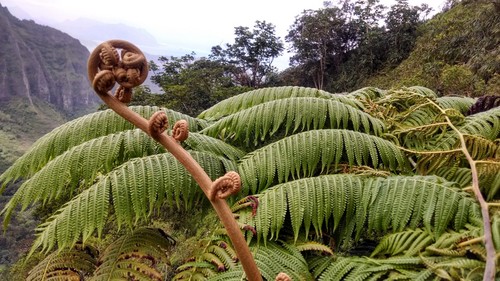
(c) Kai Yan, Joseph Wong, some rights reserved (CC BY-NC-SA)
iNaturalist· cc-by-nc
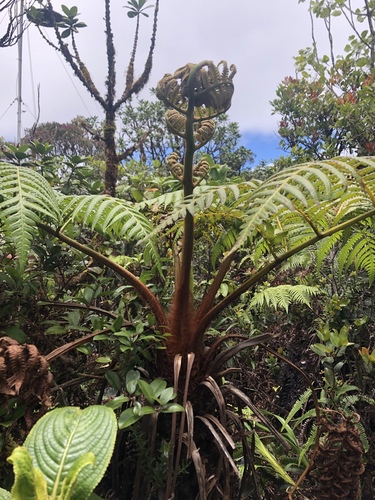
(c) mitrastemon, some rights reserved (CC BY-NC), uploaded by mitrastemon
iNaturalist· cc-by-nc
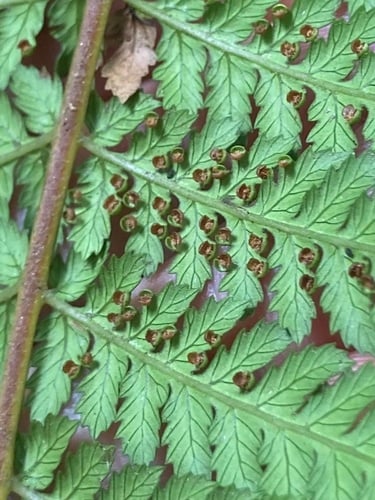
(c) 灶馬, some rights reserved (CC BY-NC), uploaded by 灶馬
Summary
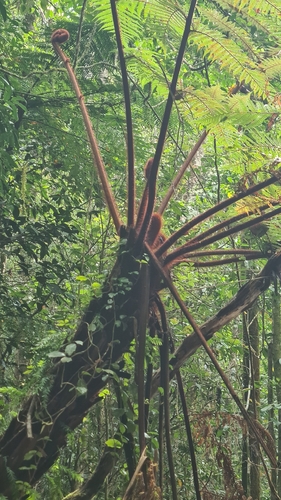
Source: WikipediaCibotium barometz, the barometz, golden chicken fern or woolly fern, is a species of tree fern native to parts of China and to the western part of the Malay Peninsula. The fern's woolly rhizome was thought to be the inspiration for the mythical "Vegetable Lamb of Tartary".
Description
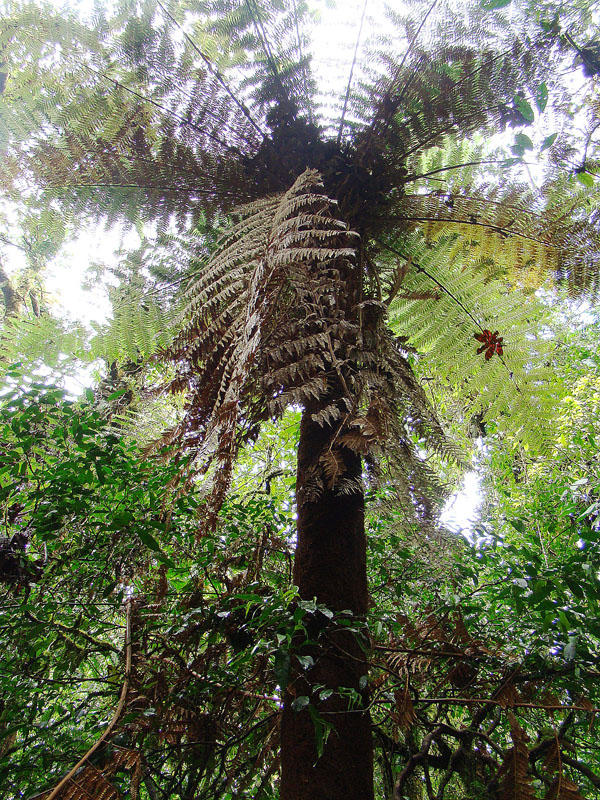
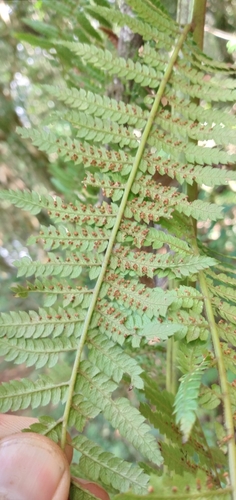
A tree fern. It lies along the ground or can be erect. It has long yellow hairs over the tips. The fronds are twice divided and have hairs at their base.
Edible Uses
A report notes the plant is edible, but does not specify which part is used.
Traditional Uses
The starch in the rhizomes is processed into flour and used in cakes and also to make liqueur.
This uses section is brief — help expand it
Medicinal Uses
The rhizomes contain around 30% starch and have anti-inflammatory and anodyne properties. They are used medicinally to treat rheumatism, lumbago, sciatica, leucorrhoea, dysuria, and polyuria in the elderly. The rhizomes are also considered antirheumatic, hepatic, and styptic. To prepare them, the rhizomes are harvested at the end of the growing season, stripped of their smaller roots and yellow hairs, sliced into chips, and dried for later use. The yellow hairs covering the rhizomes are rich in tannins and are astringent; they are applied in poultices to wounds to stop bleeding.
Known Hazards
Although we have found no reports of toxicity for this species, a number of ferns contain carcinogens so some caution is advisable. Many ferns also contain thiaminase, an enzyme that robs the body of its vitamin B complex. In small quantities this enzyme will do no harm to people eating an adequate diet that is rich in vitamin B, though large quantities can cause severe health problems. The enzyme is destroyed by heat or thorough drying, so cooking the plant will remove the thiaminase.
Distribution
It is a tropical and subtropical plant. In southern China it grows between 200-600 m above sea level but can be at higher altitudes. It grows on open hill slopes and near streams between 500-1,600 m above sea level. In XTBG Yunnan.
Where It Grows
Asia, China, India, Indochina, Indonesia, Japan, Laos, Malaysia, Myanmar, Northeastern India, Ryuku Islands, SE Asia, Taiwan, Thailand, Vietnam,
Cultivation
Plants can be grown from the rhizome or by spores.
Propagation
Spores - these should be collected from mature fronds of healthy plants. The most mature fronds are generally those lower down on the plant. The spore containers (sori) on these fronds should appear full and plump. The frond branches (pinnae) should be removed from the main frond stem and dried in paper bags, envelopes, or folded newspaper packets. Place each frond piece in its own paper container with the spore side down. To ensure that the spores dry quickly and do not go mouldy, place the containers in a single layer in a warm, dry location for 2 or 3 days. The ripe spores will fall off of the fronds. The spores can be separated from the remaining debris using a very fine screen or sieve. Sanitation is an important part of sowing fern spores to prevent both fungal infections and cross contamination by other fern spores. Any sowing medium needs to be fully sterilized before sowing the spores. The cleaned spores are spread on the surface of the sterilized mix and moistened with a fine spray of distilled water. Mixing the spores with water and spraying them onto the planting mix can provide more even distribution. Place a lid over the mix in order to prevent contamination and to maintain high humidity. Clean, dry spores can be stored in paper envelopes or packets. Place the envelopes in an air tight container and place it in the refrigerator. Side shoots that form on the main trunks can be used to form new plants.
Other Uses
None known.
Notes
Also put in the family Cibotaceae.
Synonyms
Also Known As
A cong, Can tich, Dalie, Debademao, De bu, Golden moss, Guogu, Long culy, Pakis domba emas, Pakis penawar jambi, Pakis simpei, Woolly fern
References (10)
- Aiguo, C. & Zhiling, D., 2001, Managing Agricultural Resources for Biodiversity Conservation. Case Study Yunnan, Southwest China. Environment Liaison Center International.
- Cheng, Z., et al, 2022, Ethnobotanical study on wild edible plants used by Dulong people in northwestern Yunnan, China. Journal of Ethnobiology and Ethnomedicine (2022) 18:3
- Lim, T. K., 2015, Edible Medicinal and Non Medicinal Plants. Volume 9, Modified Stems, Roots, Bulbs. Springer p 24
- Liu, Y., et al, 2012, Food uses of ferns in China: a review. Acta Societatis Botanicorum Poloniae 84(4): 263-270
- Ogle, B. M., et al, 2003, Food, Feed or Medicine: The Multiple Functions of Edible Wild Plants in Vietnam. Economic Botany 57(1): 103-117
Show all 10 references Hide references
- Sukarya, D. G., (Ed.) 2013, 3,500 Plant Species of the Botanic Gardens of Indonesia. LIPI p 859
- World Checklist of Useful Plant Species 2020. Royal Botanic Gardens, Kew
- www.eFloras.org Flora of China
- Xu, You-Kai, et al, 2004, Wild Vegetable Resources and Market Survey in Xishuangbanna, Southwest China. Economic Botany. 58(4): 647-667.
- Yusuf, U. K., 2010, Ferns of Malaysian Rain Forest. A Journey Through the Fern World. Universiti Putra Malaysia Press p 32