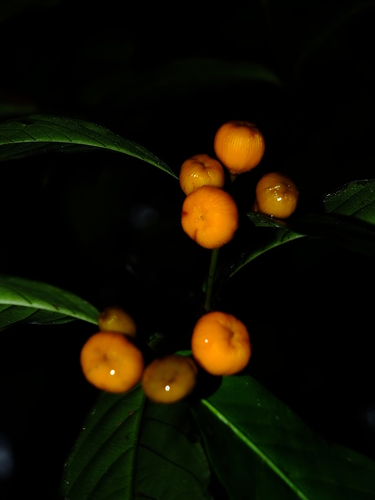
Cespedesia spathulata
(Ruiz. & Pav.) Planch
Paco
wikimedia· cc-by
Wikimedia Commons - Scott Zona
iNaturalist· cc-by-nc
(c) Nick Talbot, some rights reserved (CC BY-NC), uploaded by Nick Talbot
iNaturalist· cc-by
(c) Martin Cooper, some rights reserved (CC BY)
Description
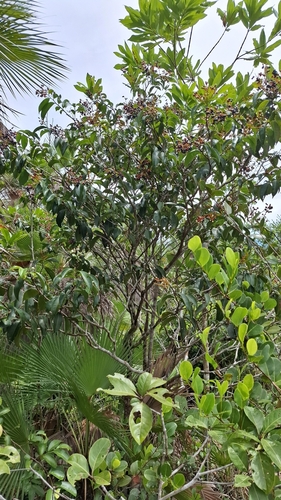
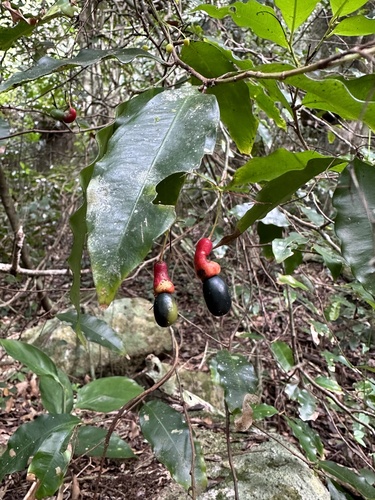
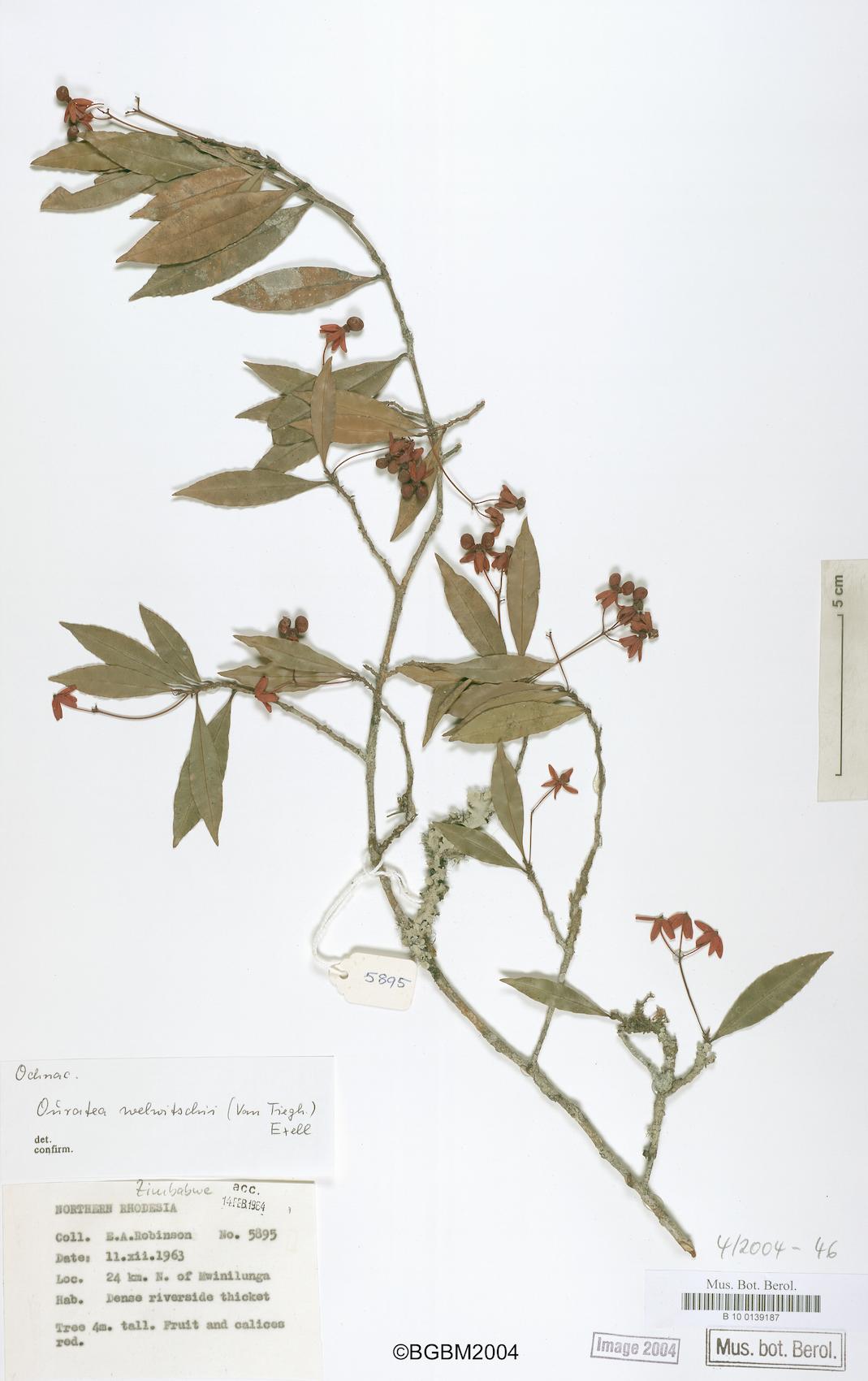
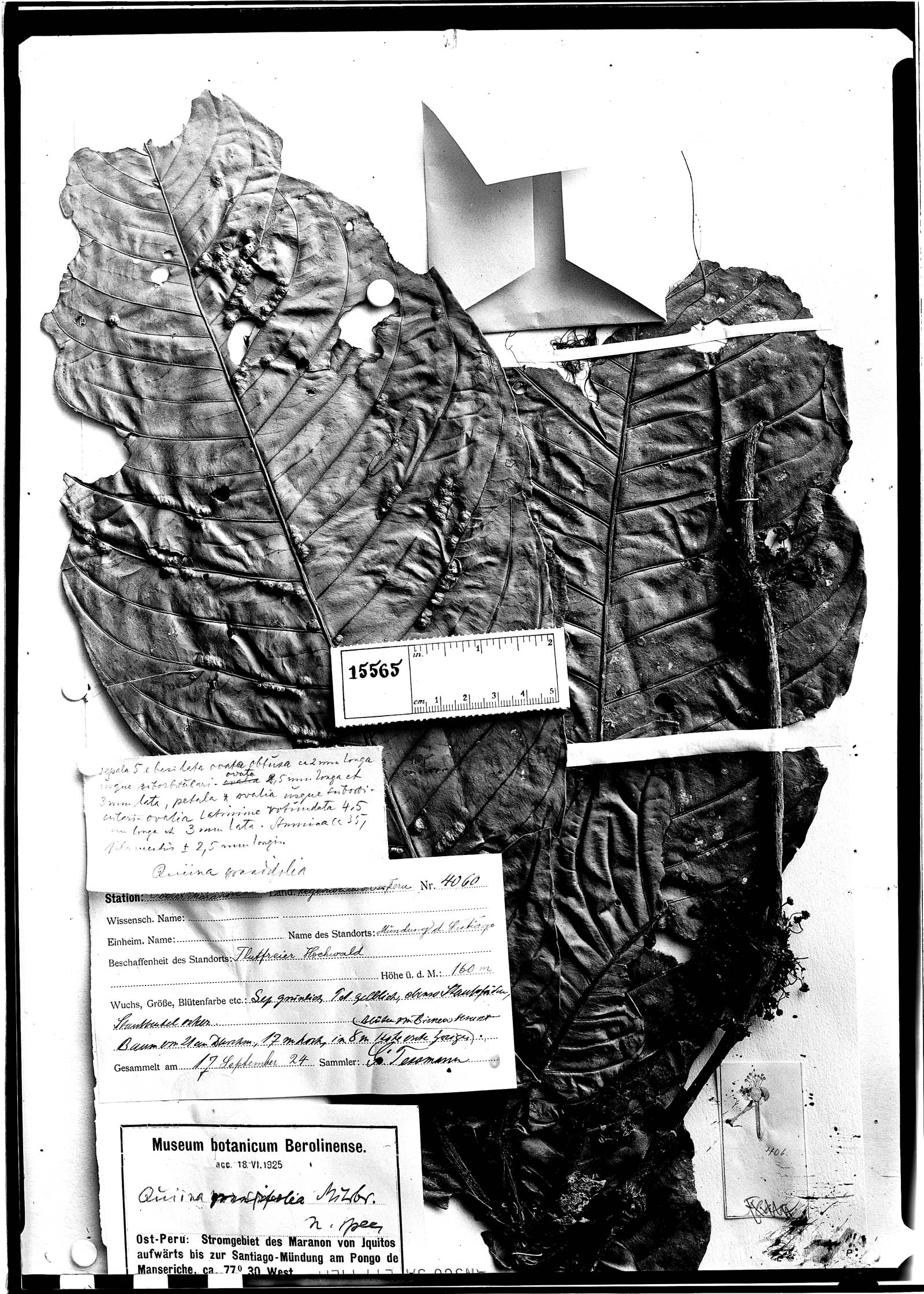
A medium sized tree. It grows 10m tall. The trunk has few branches or has branches that grow upwards. The leaves are very large. The leaves are narrow at the base and have a broad rounded tip. There are teeth along the edge. The leaves are tightly clustered at the top of the trunk. New leaves are very red. The flowers are yellow. They are in spikes on top of the leaves. The fruit is a fleshy capsule.
Edible Uses
The fleshy capsule fruit is edible.
Medicinal Uses
A decoction of the bark is used to treat dysentery and diarrhoea.
Distribution
It is a tropical plant. It grows in wet forest and lower mountain forest. It usually grows in forest clearings and along the edges of forests.
Where It Grows
Asia, Bolivia, Central America*, Colombia, Costa Rica, Ecuador, French Guiana, Guyana, Honduras, Indonesia, Nicaragua, Panama, SE Asia, South America, Venezuela,
Cultivation
Plants can be grown by seeds.
Other Uses
The heartwood is a dark, reddish-brown; the thick band of sapwood somewhat lighter. The wood is cross and fine-grained; very heavy; hard; strong. It is difficult to split and takes a good polish. It is not used locally.
Also Known As
Candelabro, Membrillo de montana, Membrillo macho, Pohon kandelabra
References (3)
- Condit, R., et al, 2011, Trees of Panama and Costa Rica. Princeton Field Guides. p 356
- Galeano, G., 2000, Forest Use at the Pacific Coast of Choco, Colombia: A Quantitative Approach. Economic Botany, Vol. 54, No. 3, pp. 358-376 (Could be pig food!)
- Sukarya, D. G., (Ed.) 2013, 3,500 Plant Species of the Botanic Gardens of Indonesia. LIPI p 191