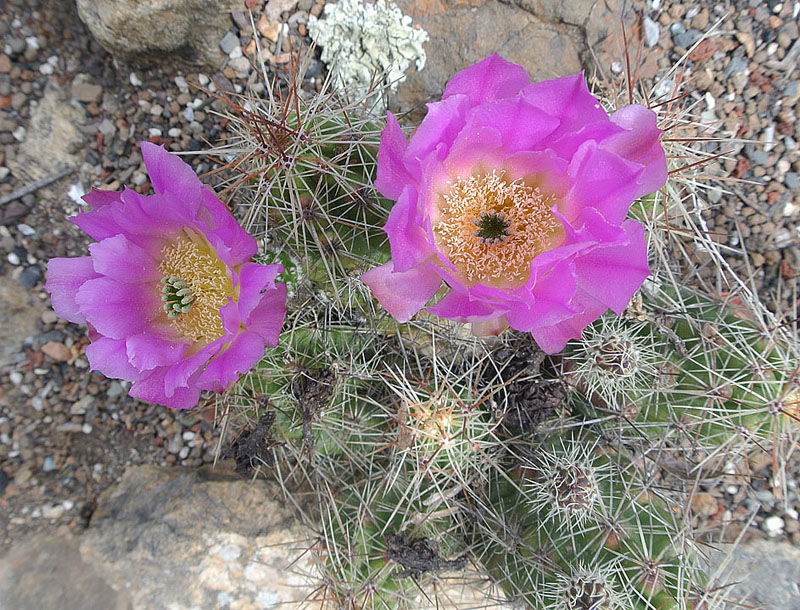
Harrisia bonplandii
(Parmentier) Britton et Rose
Datura, Ajnia
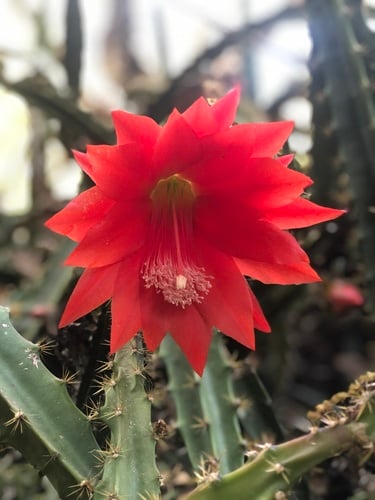
iNaturalist· cc-by-nc
(c) Jose Luis Navarro, some rights reserved (CC BY-NC), uploaded by Jose Luis Navarro
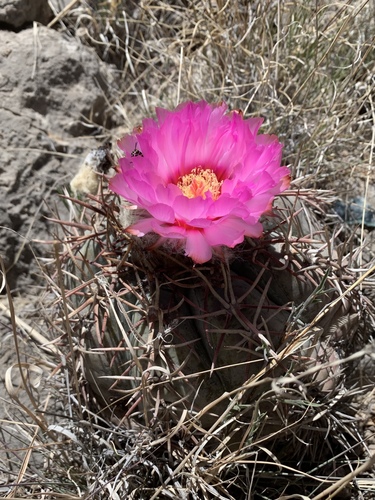
iNaturalist· cc-by-nc
(c) andrea_janin, some rights reserved (CC BY-NC), uploaded by andrea_janin
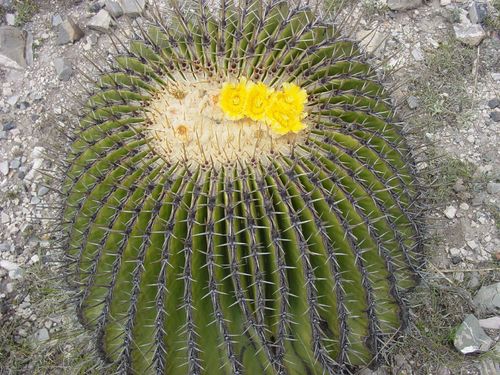
iNaturalist· cc0
no rights reserved, uploaded by Center for Urban Ecology
Summary
Source: WikipediaHarrisia bonplandii is a species of cactus. The cactus plants in the Gran Chaco (Paraguay, Argentina, Bolivia) are generally called tuna and this specific variety reina de la noche (queen of the night). Fruits and roots are edible and well known to the native nations of the Gran Chaco. Names of this cactus in the different languages of the native Nations are: Ayoreo Nation: daturirai / datura; Enxet Nation: laapang; Nivaclé Nation: sôtôyuc. In Argentina it is also known as pasacana/ulua. The plant remains often unnoticed in the forest, but can not be overseen when it blossoms only in the night and where its Spanish name originates. In English, it's also called the giant red dragon apple cactus or strangler prickly apple. The name bonplandii honors the French scientist Aimé Bonpland.
Description
A cactus. It grows 3-4 m long. The roots are long and fattened tubers. The flowers are white. The fruit are red.
This description is brief — help expand it
Edible Uses
The fruit are eaten raw. Young flowers are boiled in water with salt and Capsicum chacoense, or cooked in ashes. The roots are boiled and eaten, particularly during winter.
Traditional Uses
The fruit are eaten raw. The young flowers are boiled in water with salt and Capsicum chacoense, or cooked in ashes. The roots are boiled and eaten.
Distribution
It is a subtropical plant. In Argentina it grows from sea level to 1,000 m above sea level.
Where It Grows
Argentina, Bolivia, Brazil, Hawaii, Pacific, Paraguay, Slovenia, South America,
Cultivation
The genus Harrisia is found in semi-arid tropical to subtropical regions of the Americas, growing in both the northern and southern hemispheres. There is usually a dry season at the cooler part of the year that can last up to 6 months. Annual precipitation is generally around 500 - 1,200mm. In the northernmost part of its range, in Florida, and in its southwestern range in Argentina and Bolivia, it experiences occasional freezing temperatures, and in cultivation light frosts (1-2 per year) experienced by species in Florida, seemed well-tolerated and not detrimental. The plant has escaped from cultivation and become naturalized in S. Africa and Hawaii, where it is designated an invasive plant. The flowers open of a night time and are sweetly scented to attract bats and moths.
Propagation
Seed - usually germinates quickly and well without pre-treatment, though fresh seed may have a short dormancy of up to 8 weeks, Washing the seed in water prior to sowing can shorten germination time. Cuttings. Vegetative reproduction is frequent in nature when stems break and detach from the parent plant. The stems can proceed to produce roots along tissue nearest to the ground and produce a new plant.
Other Information
The roots are cooked and eaten during winter.
Synonyms
Also Known As
Melapag, Sat'a, Satoi
References (5)
- Arenas, P. and Scarpa, G. F., 2006, Edible wild plants of the Chorote Indians, Gran Chaco, Argentina. Botanical Journal of the Linnean Society. Vol. 153 (1): pp 73-85
- Martin, F. W., et al, 1987, Perennial Edible Fruits of the Tropics. USDA Handbook 642 p 87 (Also as Harrisia guelichii)
- Polini, G., et al, Useful and edible plants of Paraguay Region of Chaco. p 32
- Scarpa, G. F., 2009, Wild food plants used by the indigenous peoples of South American Gran Chaco: A general synopsis and intercultural comparison. Journal of Applied Botany and Food Quality 83:90-101
- Schmedia-Hirschmann, G., 1994, Plants resources Used by the Ayoreo of the Paraguayan Chaco. Economic Botany Vol. 48. No. 3. pp. 252-258