Christolea crassifolia
Cambess
Afghani christolea
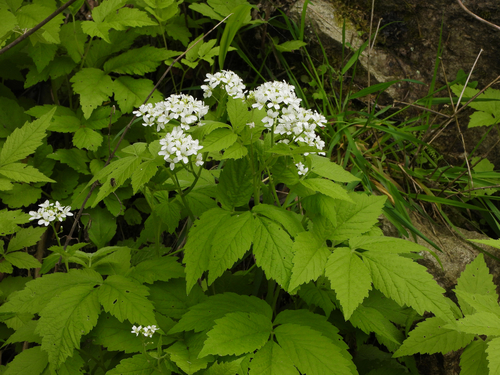
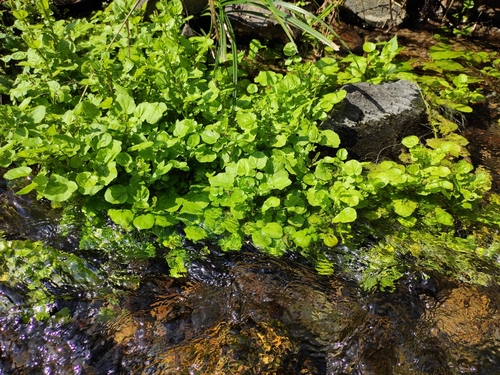
iNaturalist· cc-by-nc
(c) Kulbhushansingh Suryawanshi, some rights reserved (CC BY-NC), uploaded by Kulbhushansingh Suryawanshi
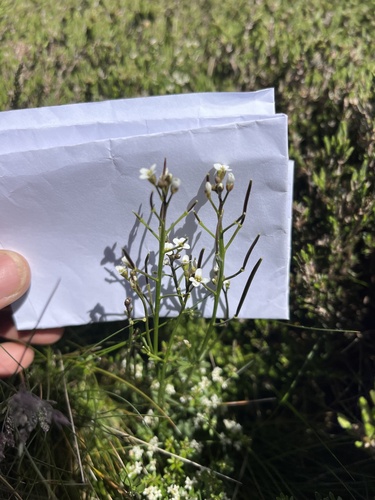
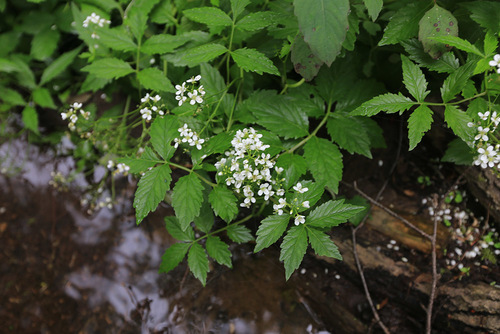
iNaturalist· cc-by-nc
(c) Jennifer Chandler, some rights reserved (CC BY-NC), uploaded by Jennifer Chandler
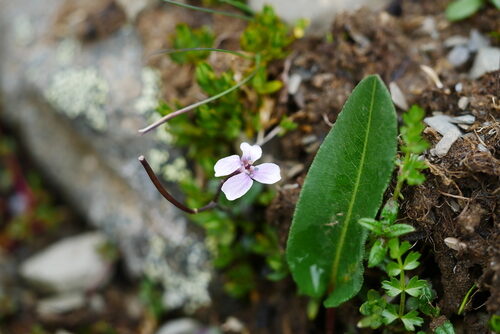
iNaturalist· cc-by-nc
(c) Jennifer Chandler, some rights reserved (CC BY-NC), uploaded by Jennifer Chandler
Description
A herb. It keeps growing from year to year. It can lie over. The leaves vary in size, shape and hairiness. They are oblong and 1-5 cm long by 5-20 mm wide. They usually have 3 teeth near the tip. The flowers are 5-7 mm across and white with a purple base.
Edible Uses
The leaves are cooked and eaten as a vegetable.
Traditional Uses
The leaves are cooked and eaten as a vegetable.
This uses section is brief — help expand it
Distribution
It is a temperate plant. In China it grows on alpine slopes between 3,500-4,700 m above sea level.
Where It Grows
Afghanistan, Asia, Central Asia, China, Himalayas, India, Nepal, NW India, Pakistan, Tajikistan, Tibet,
Notes
There are about 20 Christolea species.
Synonyms
Also Known As
Sangso
References (3)
- Battacharyya, A., 1991, Ethnobotanical Observations in the Ladakh Region of Northern Jammu and Kashmir State, India. Economic Botany, Vol. 45, No. 3, pp. 305-308
- Flora of China @ efloras.org Volume 8
- Sharma, L. et al, 2018, Diversity, distribution pattern, endemism and indigenous uses of wild edible plants in Cold Desert Biosphere Reserve of Indian Trans Himalaya. Indian Journal of Traditional Knowledge. Vol 17(1) January 2018 pp 122-131