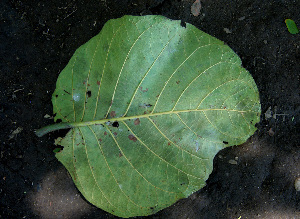
Polygonum bistortoides
Pursh
American bistort, Western bistort
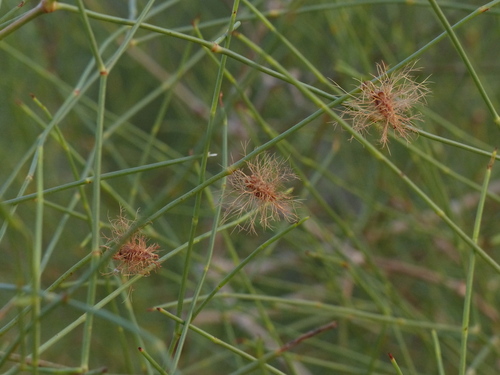
iNaturalist· cc-by-sa
(c) Douglas Goldman, some rights reserved (CC BY-SA)
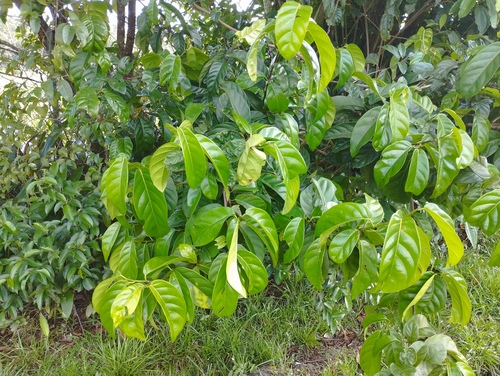
iNaturalist· cc-by-sa
(c) Douglas Goldman, some rights reserved (CC BY-SA)
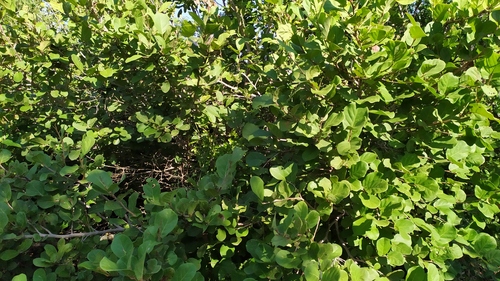
iNaturalist· cc-by-sa
(c) Douglas Goldman, some rights reserved (CC BY-SA)
Summary
Source: WikipediaPerennial reaching 0.5 m tall by 0.3 m wide. Hermaphrodite flowers bloom July to August, pollinated by insects. Adapts to light sandy, medium loamy, or heavy clay soils with mildly acid to basic pH. Grows in semi-shade or full sun and prefers moist soil. Hardy to UK zone 4.
Description
A herb. It keeps growing from year to year. It grows 20-60 cm high. It has red stems and glossy dark green leaves. The leaves are alternate and simple. They are at swollen joints. The leaf blade is 8-16 cm long. It has a tall flowering stem and a flower spike that is short and 2 cm thick. The flowers are white and small. They are densely crowded in a cluster at the end of the stem. The flowers are fertile. The fruit is 3 angled. It does not have bulbils. Possibly now Bistorta bistortoides (Pursh) Small - but unresolved.
Edible Uses
Leaves - raw or cooked. A pleasant acid flavour, they are used as a potherb. Root - raw or cooked. Starchy and rather pleasant, the root can be baked or added to soups, stews etc. It was often dried before being used. The raw root is slightly astringent, it becomes sweeter when boiled but is best when baked. Seed - raw or cooked. It is rather small and fiddly to utilize. Edible Uses & Rating (foraging): Leaves are the standout—mild, slightly mucilaginous, fully chewable, good raw or cooked. Seeds are edible as a small grain. Roots are technically edible but extremely bitter from high tannins; even heavy processing gives low culinary return. Edibility rating: 2/5 overall (4/5 for young leaves, 1/5 for roots, 2/5 for seeds). Taste, Processing & Kitchen Notes: Fresh leaves suggest a gentle lettuce/greens profile with a faint slickness; they enrich salads or quick sautés. Roots are pink-purplish with tough reddish-brown skin; bitterness dominates and resists most methods. If roots must be used, slice finely and boil in several changes of water, discarding each liquor; expect much starch loss. Baking doesn’t help. Seeds (tiny achenes) can be gently toasted then simmered into a porridge or added to soups; they’re small, so treat them more like a thickener than a staple. Seasonality (Phenology): Leaves flush late spring to early summer as snow recedes. Flowering July–September; seeds ripen late summer–early fall. Roots can be dug any time ground is workable, though late season reserves may be higher; leaves are best young. Safety & Cautions (Food Use): Roots are very high in tannins—bitter/astringent and potentially irritating in quantity. People sensitive to astringent foods or with kidney issues should avoid heavy root use. Always process roots with repeated boiling and discard liquors. As with many Polygonaceae, moderate portions are prudent. Harvest & Processing Workflow: Leaves: Pick young, wash, eat raw or blanch. Seeds: Shake mature spikes into a bag, winnow chaff, toast lightly, simmer as porridge/thickener. Roots (last resort): Lift small-to-medium crowns, peel skins, slice thin, boil in multiple changes of water; expect limited palatability. Look-Alikes & Confusion Risks: Do not confuse with alpine bistort (B. vivipara), which bears bulblets low on the inflorescence; B. bistortoides does not. In mixed meadows, novices may confuse basal leaves with dock (Rumex) or young false hellebore (Veratrum)—the latter is toxic and has pleated, broad, strongly plicated leaves and very different stature. Traditional/Indigenous Use Summary: Mountain peoples across the West used the young greens as a spring vegetable and the seeds as a minor grain; the roots were sometimes processed extensively as a famine starch, though palatability varies greatly among stands.
Traditional Uses
The young leaves are used as a potherb. The starchy roots are eaten raw, boiled or baked. They are added to soups and stews.
This uses section is brief — help expand it
Medicinal Uses
The root is astringent and has been applied as a poultice to treat sores and boils.
Known Hazards
Although no specific mention has been made for this species, there have been reports that some members of this genus can cause photosensitivity in susceptible people. Many species also contain oxalic acid (the distinctive lemony flavour of sorrel) - whilst not toxic this substance can bind up other minerals making them unavailable to the body and leading to mineral deficiency. Having said that, a number of common foods such as sorrel and rhubarb contain oxalic acid and the leaves of most members of this genus are nutritious and beneficial to eat in moderate quantities. Cooking the leaves will reduce their content of oxalic acid. People with a tendency to rheumatism, arthritis, gout, kidney stones or hyperacidity should take especial caution if including this plant in their diet since it can aggravate their condition.
Distribution
It is a temperate plant. It grows in moist alpine tundra in the Rocky Mountains.
Where It Grows
Canada, North America, USA,
Cultivation
Prefers constantly moist, cool soils—loams or peaty loams—pH slightly acidic to neutral; tolerates cold and periodic waterlogging. Full sun in cool climates; light shade at lower, warmer sites. Intolerant of drought and hot, stagnant sites. Succeeds in an ordinary garden soil but prefers a moisture retentive not too fertile soil in sun or part shade. Repays generous treatment. Plants are growing well at Kew in a moist position by water in the rock garden. Plants seem to be immune to the predations of rabbits. This species is closely related to P. viviparum and P. bistorta. Habitat & Range: Moist mountain meadows, seeps, and stream-edges throughout the western U.S. and into the Intermountain West at montane to subalpine elevations. Size & Landscape Performance: Clumps to 20–70 cm with stiff, upright flowering stems. In gardens, behaves as a neat meadow perennial where soils stay moist; good for naturalistic wet borders and pollinator plantings. Site in a consistently moist bed; incorporate organic matter. Mulch to keep roots cool. In lowlands, provide irrigation or a seep line. Deadhead if you don’t want self-sown seedlings. Little fertilizer needed beyond spring compost. Ecology & Wildlife: Early and midsummer nectar/pollen for small bees, syrphid flies, and alpine pollinators; foliage browsed lightly by deer/elk in spring; dense roots stabilize wet meadow soils and slow surface flow. Pests & Problems: Generally trouble-free in cool, wet sites. Heat stress causes leaf scorch; drought reduces leaf quality. Occasional leaf spots or mildews in stagnant air; remedy with spacing and airflow.
Propagation
Sow seed in spring in a cold frame; germination is generally free and easy. Once seedlings are large enough to handle, prick them out into individual pots and plant out during summer if they have reached sufficient size, or overwinter in a cold frame and plant out the following spring after the last expected frosts. Division can be done in spring or autumn and is very straightforward — larger divisions can go directly into permanent positions, while smaller ones do better potted up and grown on in light shade in a cold frame until well established before planting out in late spring or early summer.
Other Uses
No other uses are known for this plant.
Notes
There are about 50 Polygonum species.
Synonyms
Also Known As
Bistort, Dragonworth, Easter giant, Easter ledges, Red legs, Snake look, Snake weed, Sweet dock
References (12)
- Beckstrom-Sternberg, Stephen M., and James A. Duke. "The Foodplant Database." http://probe.nalusda.gov:8300/cgi-bin/browse/foodplantdb.(ACEDB version 4.0 - data version July 1994)
- Cormack, R. G. H., 1967, Wild Flowers of Alberta. Commercial Printers Edmonton, Canada. p 74
- Elias, T.S. & Dykeman P.A., 1990, Edible Wild Plants. A North American Field guide. Sterling, New York p 155
- Esperanca, M. J., 1988. Surviving in the wild. A glance at the wild plants and their uses. Vol. 1. p 47
- Facciola, S., 1998, Cornucopia 2: a Source Book of Edible Plants. Kampong Publications, p 185
Show all 12 references Hide references
- Fl. Amer. sept. 1:271. 1813-1814
- Kermath, B. M., et al, 2014, Food Plants in the Americas: A survey of the domesticated, cultivated and wild plants used for Human food in North, Central and South America and the Caribbean. On line draft. p 675
- Kiple, K.F. & Ornelas, K.C., (eds), 2000, The Cambridge World History of Food. CUP p 1797
- Lim, T. K., 2015, Edible Medicinal and Non Medicinal Plants. Volume 9, Modified Stems, Roots, Bulbs. Springer p 67 (As Bistorta bistortoides)
- MacKinnon, A., et al, 2009, Edible & Medicinal Plants of Canada. Lone Pine. p 323 (As Bistorta bistortoides)
- Plants for a Future database, The Field, Penpol, Lostwithiel, Cornwall, PL22 0NG, UK. http://www.scs.leeds.ac.uk/pfaf/
- Porsild, A.E., 1974, Rocky Mountain Wild Flowers. Natural History Series No. 2 National Museums of Canada. p 148